
 by
by 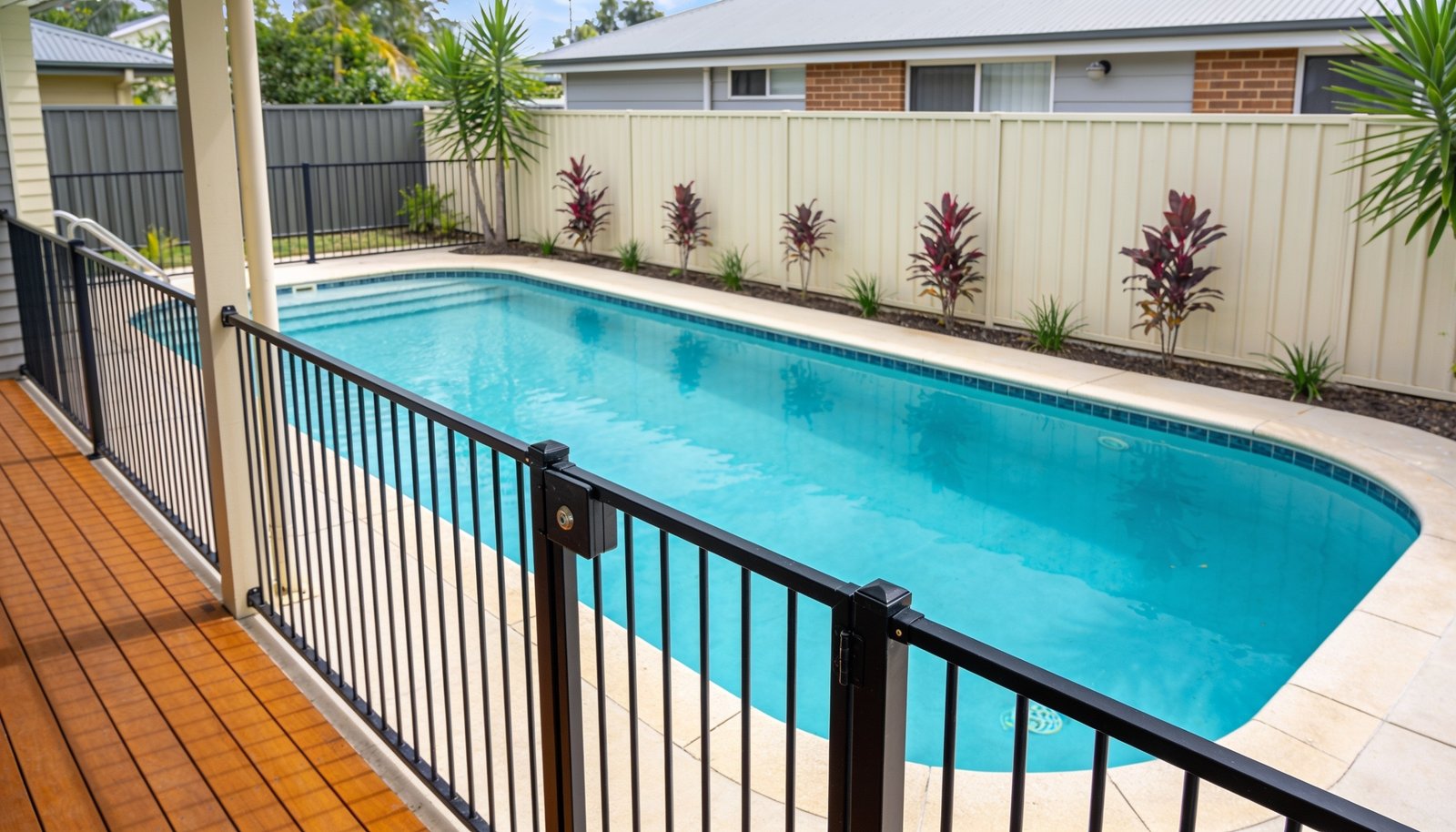
A pool adds a layer of research most other properties do not need. Queensland has specific safety and compliance requirements around pools, separate from the general condition checks you would do on any property. This guide covers both.
Pool Safety Requirements
Pool safety in Queensland is administered by the Queensland Building and Construction Commission (QBCC). Pools are required to meet pool safety standards covering fencing and barriers, designed to prevent young children from gaining unsupervised access to the water.
The Pool Safety Register
Queensland maintains a free, publicly searchable pool safety register, accessible through the QBCC website. You can search the register for a specific address to check whether the pool is registered and whether a current pool safety certificate is on record before you rely on a seller’s word alone.
Certification When Buying
If a property is sold with a valid pool safety certificate, the seller must give the buyer a copy of it before settlement. If it is sold without a current certificate, the seller must provide the buyer, and the QBCC, with a Form 36 Notice of No Pool Safety Certificate. If you complete the purchase without a valid certificate in place, you are required to obtain one within 90 days of settlement, which means budgeting for this as a near-certain cost if the property does not already have current certification.
Fencing and Barrier Condition
Beyond formal certification, visually check the pool fence and gate for obvious issues, such as a gate that does not self-close and self-latch, gaps or climbable features in the fencing, and general condition. These are the kinds of things a pool safety inspector will assess formally, but noticing obvious problems yourself before you buy can be a useful early signal.
Maintenance Condition, Leaks and Equipment
Separately from safety compliance, check the general condition and age of the pump, filter, and any heating or automation equipment, since these are wear items with a real replacement cost. Watch for signs of a leak, such as cracked or lifting tiles, unusually high water loss between top-ups, or damp patches near the pool shell or equipment pad.
Insurance Considerations
A pool is relevant to your home insurance, both for the pool structure itself and for public liability considerations. See our guide to home and contents insurance in Queensland for general policy structures, and confirm with your insurer how a pool affects your specific cover.
What a Building and Pest Inspection Does and Does Not Cover
A standard building and pest inspection generally does not certify pool safety compliance or assess pool equipment condition in detail, since these fall outside the scope of AS 4349.1 and AS 4349.3. See our guide to building and pest inspections in Queensland for what those inspections do cover, and treat pool safety and equipment condition as separate checks.
Where This Fits Into Your Research
If the pool or other structures on the property raise approval questions, see our guide to buying a property with unapproved structures, and our broader guide on what to check before making an offer.
Where Narevella Can Help
Our free Queensland Property Research Checklist covers pool and structure checks alongside the wider research process. For a specific address, our Property Review can help.
Disclaimer
This guide provides general research information only and is not a compliance certification. Pool safety compliance must be confirmed through the QBCC pool safety register and a licensed pool safety inspector, not from this article.



Join The Discussion