
Vacant possession is a key term that appears in every property contract when buying a house or unit.
-
 by Anasta Snowla
- 2 hours ago
- Property Explained
- 0

Vacant possession is a key term that appears in every property contract when buying a house or unit.
by Anasta Snowla
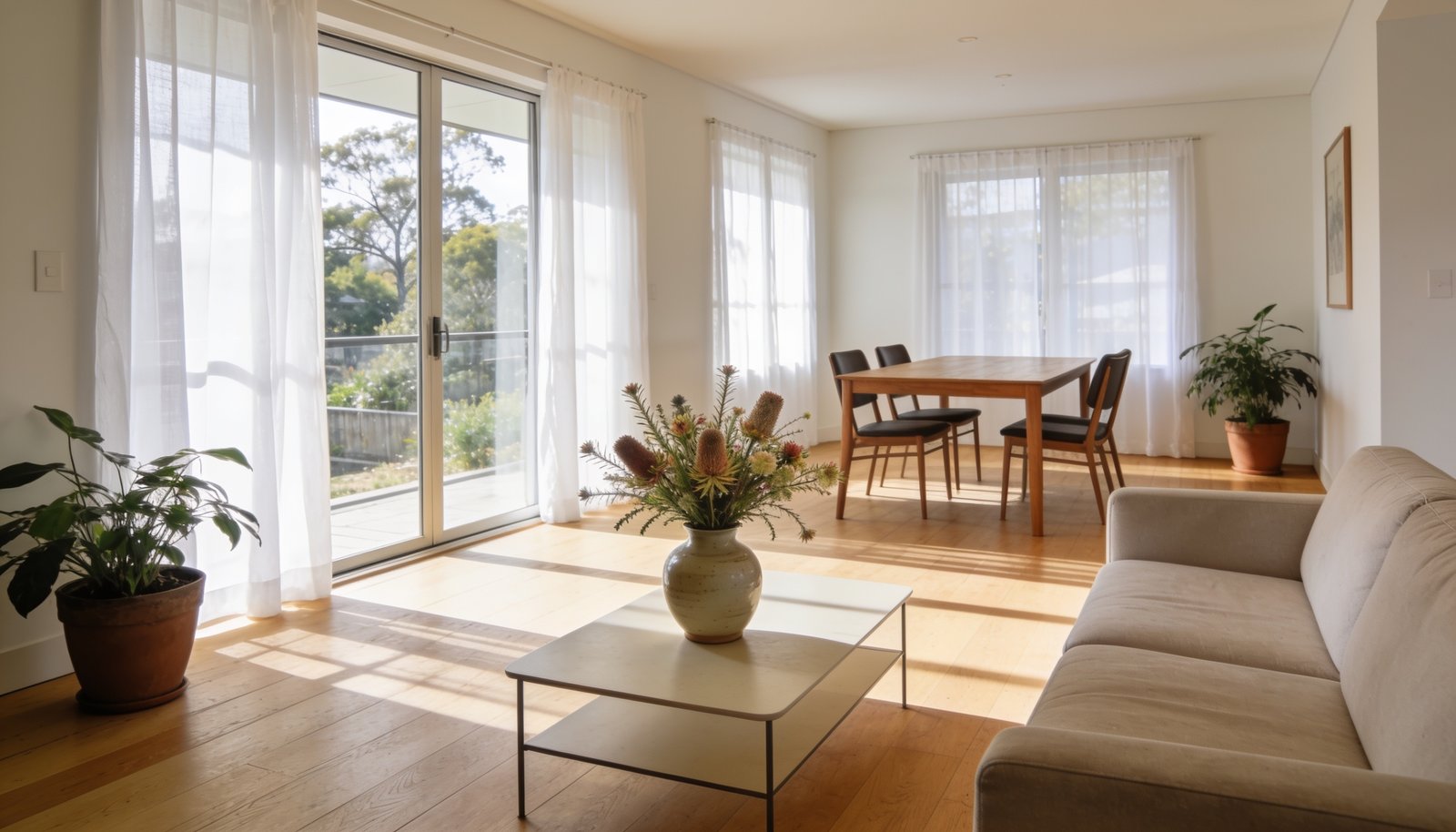
When buying or selling a house, the contract outlines what stays with the property and what is taken away by the seller.
by Anasta Snowla
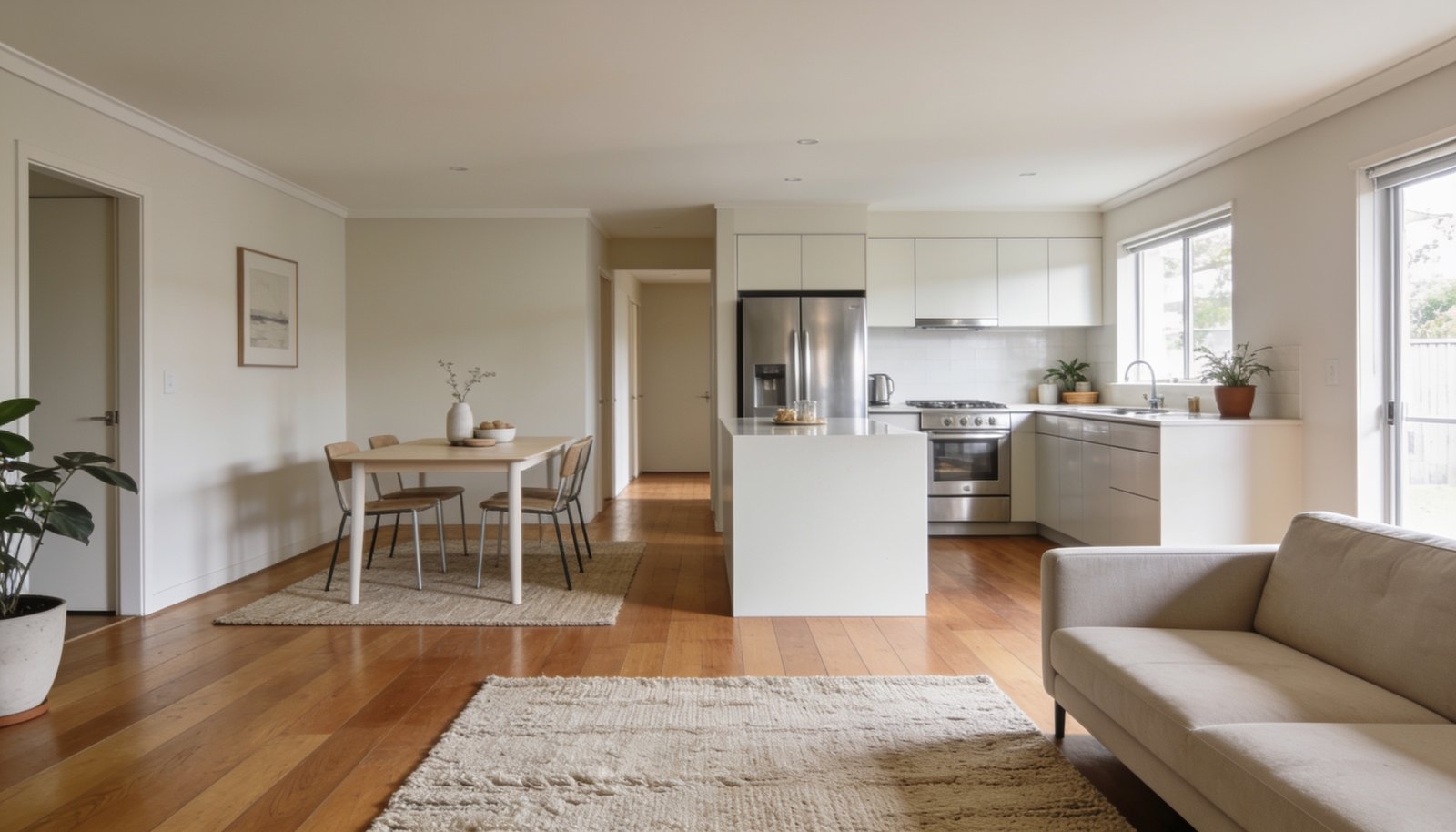
In a Queensland property contract, the phrase "subject to finance" appears frequently and can be confusing for many buyers.
by Anasta Snowla

Freehold and leasehold are two common ways of owning property in Queensland, each with distinct implications for who owns the land and how it can be used.
by Anasta Snowla

Body corporate fees are a regular part of living in a shared development. They help keep common areas tidy and functional for everyone.
by Anasta Snowla

A valuation and a market appraisal are both ways of determining the value of a property, but they serve different purposes.
by Anasta Snowla

Learn what transfer duty is in Queensland, how dutiable value is calculated, tiered rates, owner-occupier concessions, and first home buyer thresholds.
by Anasta Snowla

How to read a Brisbane FloodWise Property Report, including defined flood levels, flood planning areas and minimum floor heights explained.
by Anasta Snowla

What an easement is under Queensland's Land Title Act 1994, common types, building restrictions, and a due diligence checklist before you buy.
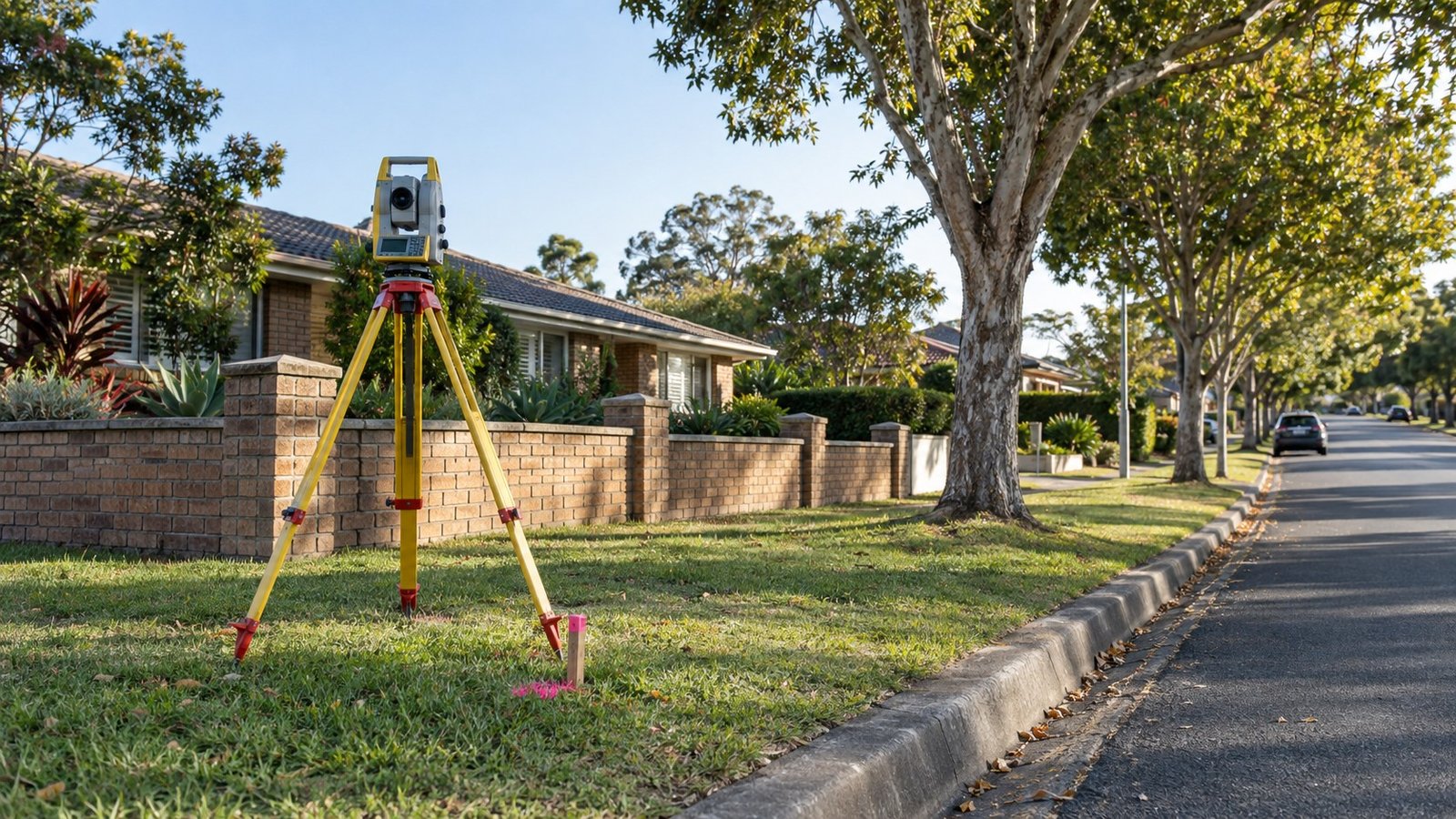
The difference between a title boundary and a fence line in Queensland, and how to find the official survey plan for a property.
by Anasta Snowla
Compare listings
Compare