
 by
by 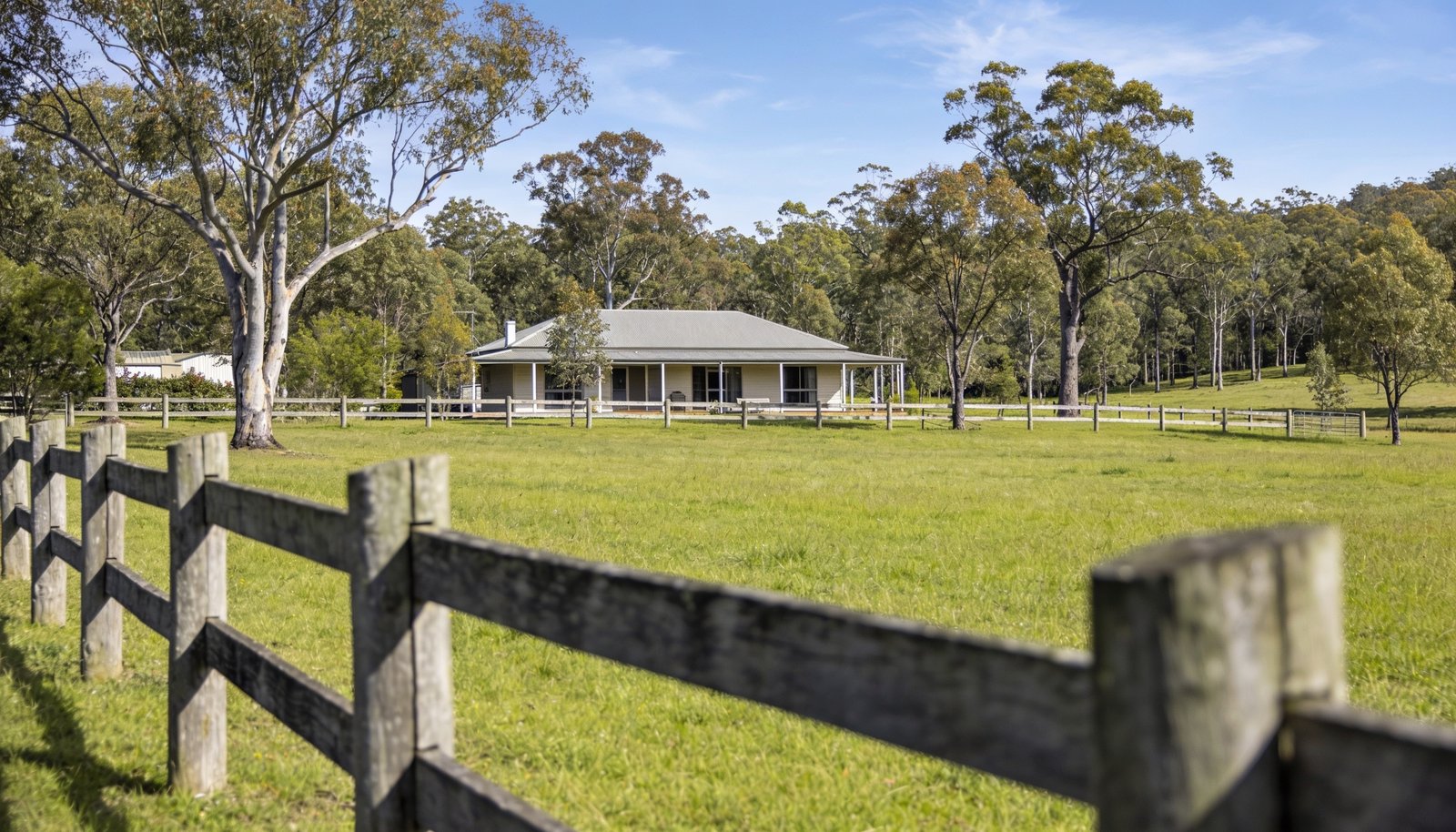
Acreage and semi-rural properties come with a different set of questions to a standard suburban block. Water, access, and land constraints can matter as much as the house itself, and several of these checks are easy to overlook if you are used to buying in established suburbs.
Legal Access
Confirm the property has formal, legal access, either direct road frontage or a registered access easement over another property, rather than relying on an informal track that has simply been used for years. See our guide to what an easement means for a property.
Road Access and Condition
Check whether access is via a sealed council road or an unsealed private or gravel road, and how that road is maintained. Some rural roads are seasonally affected by wet weather, which can matter for everyday access, deliveries, and emergency services.
Water Supply
Many acreage properties are not connected to town water and instead rely on tank water, a bore, a dam, or a combination. Check the capacity and condition of tanks, whether a bore is licensed and its water quality and yield, and whether any dam is reliable year-round or seasonal. Water source and reliability is one of the most practically important checks for a rural property.
Septic and Wastewater Systems
Properties without connection to a sewer network generally rely on an on-site sewerage facility, such as a septic system, which requires council approval and is subject to specific standards. Ask for the approval documentation, the system’s age and maintenance history, and whether it is adequately sized for the property’s use.
Bushfire and Flood Risk
Rural and semi-rural land is often more exposed to bushfire hazard, and can carry its own flood or overland flow risk depending on topography. See our guides to bushfire risk and flood risk checks, and check the specific mapping for the address rather than assuming rural land is automatically higher or lower risk.
Vegetation and Environmental Constraints
Vegetation management regulations can restrict clearing on rural land, and environmental overlays can affect what you are able to do with parts of the property. Check zoning and any relevant overlays before assuming you can clear or develop land as you might expect. See our guide to zoning and property overlays in Queensland.
Zoning and Land Use
Confirm the property’s zoning matches your intended use, whether that is lifestyle acreage, hobby farming, or a specific rural enterprise, since rural zoning categories can carry their own restrictions on structures, subdivision, and commercial activity.
Boundaries and Fencing
Rural boundaries are not always clearly marked, and fences can be well off the true legal boundary, particularly on larger or older parcels. See our guide to property boundaries and survey plans. Also check who is responsible for maintaining boundary fencing with neighbouring rural properties.
Sheds and Unapproved Structures
Rural properties often accumulate sheds, machinery bays, and other outbuildings over time, not all of which may have council approval. See our guide to buying a property with unapproved structures.
Internet and Mobile Access
Coverage and connection options can vary significantly in rural areas, so it is worth checking realistic internet and mobile phone reception for the specific property rather than assuming standard suburban service levels apply, particularly if you work from home.
Insurance Considerations
Rural properties can involve different insurance considerations than a standard suburban home, including how outbuildings, fencing, and any rural use of the land are covered. See our guide to home and contents insurance in Queensland and confirm rural-specific cover directly with your insurer.
Where Professional Checks Matter
Water bore licensing, septic system compliance, vegetation management rules, and boundary surveys are all areas where a specific professional, rather than a general inspection, is the appropriate source of certainty. Build these into your due diligence process for a rural purchase.
Where Narevella Can Help
Our free Queensland Property Research Checklist covers the wider pre-purchase research process. For a specific address, our Property Review can help.
Disclaimer
This guide provides general research information only and is not engineering, environmental, legal or financial advice. Water, wastewater, vegetation and boundary matters for a specific rural property should be confirmed with the relevant council, licensed professionals, and your conveyancer or solicitor.



Join The Discussion