
 by
by 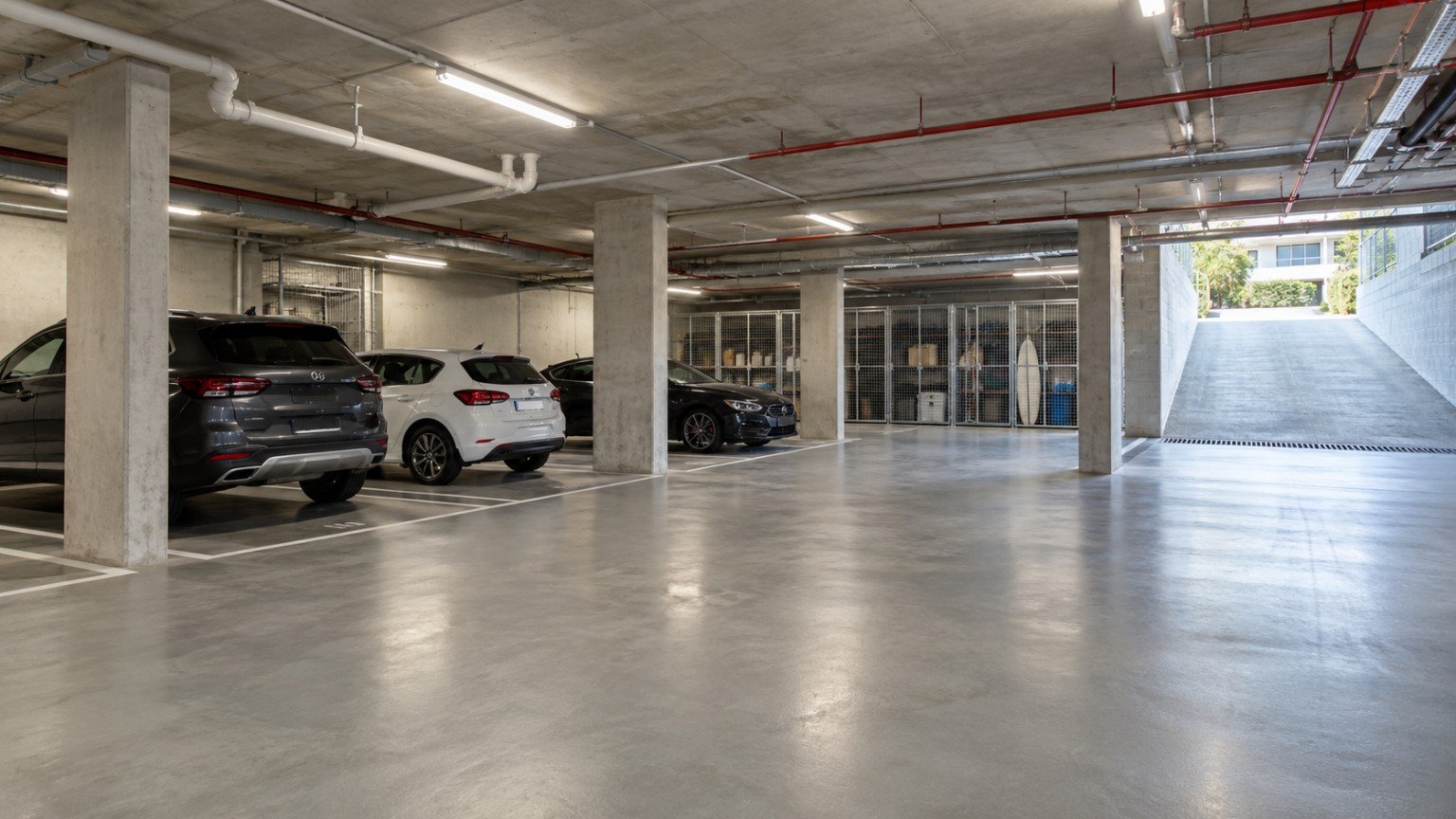
A car space or storage cage can look identical to every other one in a set of listing photos, yet be attached to a Queensland unit in at least three legally different ways – each with real consequences for what an owner can actually do with it later. This is one of the most common points of confusion for first-time unit buyers, and it is rarely explained clearly before a contract is signed.
Three Common Arrangements, Explained Plainly
Before assuming a car space or storage area “comes with” a unit in the way the listing implies, it helps to understand the three broad ways these spaces are typically attached to a lot in a Queensland community titles scheme.
1. On Its Own Separate Title (Accessory Lot)
In some schemes, the car space or storage area is its own separate lot on the community titles scheme. Depending on the scheme’s by-laws, an accessory lot like this can sometimes be sold or transferred separately from the main unit, rather than always moving together as a single package.
2. Included Within the Unit’s Own Lot Boundary
In other cases, the car space or storage area is simply part of the unit’s own lot boundary. There is no separate title and no separate dealing possible – the space is inseparable from the unit itself.
3. Exclusive Use of Common Property
The third arrangement is different again. Here, the space remains common property owned by the body corporate as a whole, but a by-law grants one owner exclusive use of it. This is a materially weaker form of “ownership” than the first two options, because it depends on the by-law remaining in place and can, in principle, be varied by the body corporate over time.
Why This Distinction Matters Practically
Which of these three arrangements applies affects whether a car space can be sold, rented or transferred independently of the unit, whether it can be reassigned by the body corporate in some exclusive-use arrangements, and, fundamentally, what a buyer is actually paying for when a listing says “plus car space.” Two units advertised identically can carry very different rights attached to what looks like the same feature.
How to Actually Find Out Which Arrangement Applies
The sales listing and the agent’s description are not the documents that answer this question. Two sources do: the title search, and the community management statement, which sets out lot entitlements and any exclusive-use by-laws for the scheme.
For a general grounding in how to read a title, see How to Read a Queensland Property Title Search. The community management statement question is a good one to route directly to a conveyancer as part of standard due diligence, rather than attempting to interpret it unassisted.
Storage Cages and Additional Lots
The same three-way distinction that applies to car spaces applies equally to storage areas. A scheme can also mix arrangements – some units in the same building might have a titled car space, while others in the identical floor plan have exclusive-use only. This means the check needs to be made per-lot, not assumed from a general impression of the building as a whole.
What to Ask Before Relying on “Plus Car Space” in a Listing
- Is the space on a separate title, part of the main lot, or exclusive-use common property?
- If it is exclusive-use, what does the actual by-law say about it?
- Does the levy or lot entitlement schedule reflect an extra lot at all, or is the space already factored into the unit’s existing entitlement?
These are the kind of specific, document-based questions this site consistently recommends over relying on a verbal assurance during an inspection. For the wider set of body corporate checks a unit or townhouse buyer should make, see Buying a Unit or Townhouse in Queensland: Body Corporate Checks Buyers Should Make, and for a plain-English grounding in what body corporate actually is, see What Is Body Corporate and When Does It Matter? Gold Coast high-rise buyers in particular should also see Body Corporate in Gold Coast High-Rise Buildings: What Unit Buyers Should Check, since car space and storage arrangements are a frequent feature of larger vertical schemes.
If you are still weighing up a unit against a house or townhouse more broadly, House vs Townhouse vs Apartment: What Changes for the Buyer? covers how these property types differ in the first place.
This article is general research information only and does not constitute legal, financial or conveyancing advice. Car space, storage and lot entitlement arrangements vary by scheme and by-law, and should always be confirmed against the specific title search and community management statement for the property in question, ideally with a conveyancer or solicitor.



Join The Discussion