
 by
by 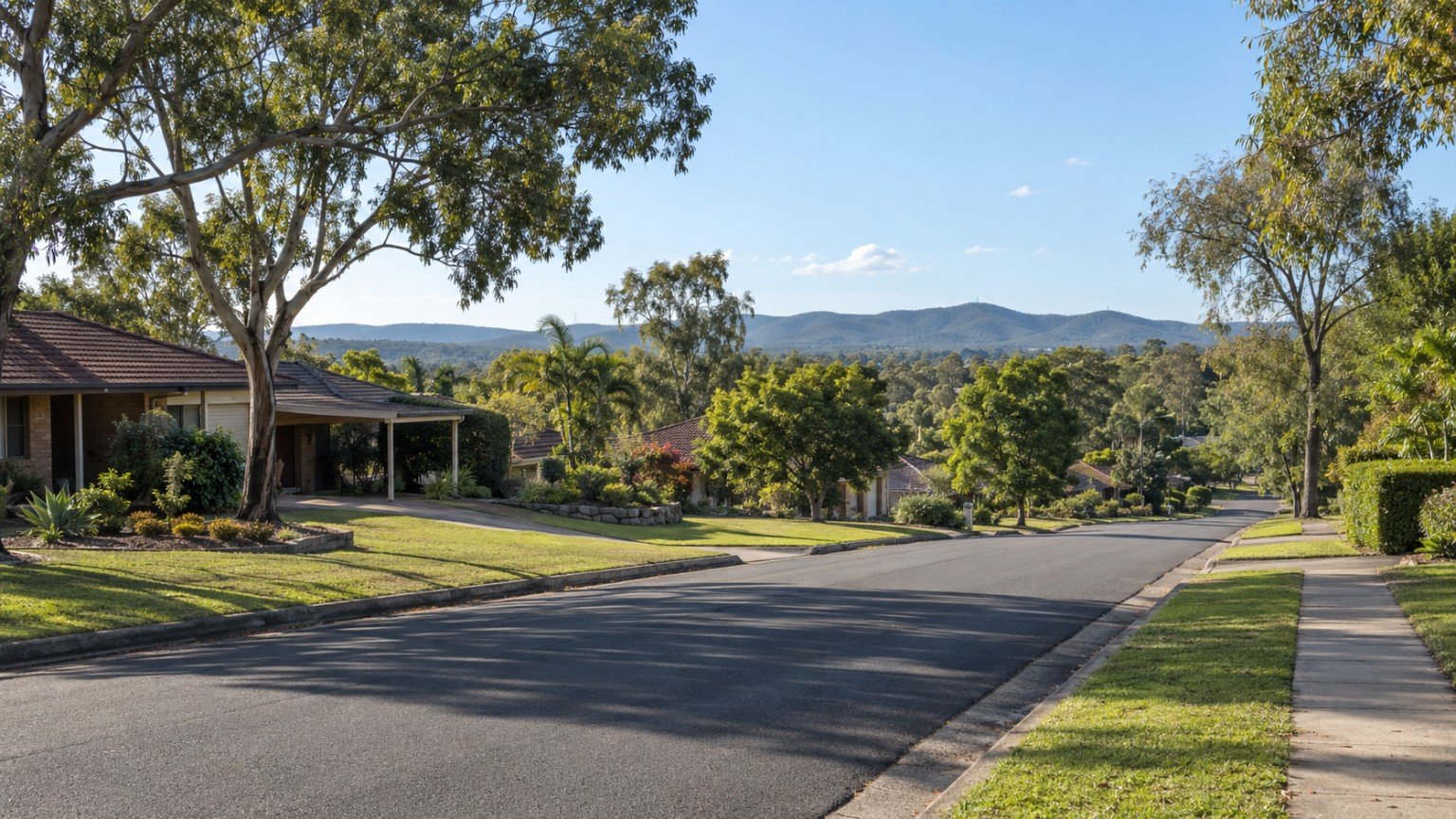
Overview of Camira’s Growth Profile
Camira sits in a distinct geographical and planning position within the Ipswich local government area. Located approximately 23 kilometres southwest of the Brisbane central business district and 17 kilometres east of the Ipswich central business district, the suburb acts as an established residential enclave rather than a greenfield expansion zone. At the 2021 Census, Camira recorded a population of approximately 7,429 residents. Unlike neighbouring districts that absorb large-scale population shifts through broadacre land releases, Camira retains a low-density residential profile built around expansive allotments and established streetscapes.
Dwelling Profile and Low-Density Character
The physical fabric of Camira is heavily weighted toward standalone housing. According to 2021 Census data, standalone separate houses make up over 90 percent of total occupied private dwellings in the suburb. The local urban landscape is defined by low-density detached housing, large-lot residential zoning, and semi-rural or acreage pockets.
This built form sets Camira apart from the rapid master-planned suburban developments taking place across other parts of the Ipswich region. While nearby growth corridors accommodate rising density through multi-stage master-planned communities, Camira maintains its open layout and large-lot residential zoning. The prevailing land pattern leaves little scope for broadacre tract housing or high-density apartment complexes, preserving the suburb’s established semi-rural character.
Environmental Overlays and Development Constraints
The primary reason for Camira’s restrained development footprint lies in its natural topography and local planning controls. Major master-planned greenfield estate opportunities are limited in Camira due to severe environmental and safety overlays:
- Bushfire Hazard Overlays: Regulations that protect vegetation boundaries and restrict high-density lot clearing.
- Biodiversity Overlays: Requirements aimed at preserving native flora, fauna corridors, and natural habitats.
- Environmental Overlays: Planning mechanisms that regulate land disturbance, canopy retention, and stormwater management.
These planning overlays effectively prevent large-scale suburban sprawl and protect the suburb’s natural terrain. Consequently, Camira is not part of the high-density growth corridors seen in areas such as Ripley Valley or Bellbird Park. Environmental constraints ensure that broadacre land clearing for expansive master-planned residential estates remains unviable within Camira.
Infrastructure Access via Greater Springfield
Although Camira does not host major master-planned greenfield developments internally, its residents benefit directly from adjacent regional investments. Camira’s close physical proximity to the Greater Springfield master-planned project allows residents to access external infrastructure while maintaining the suburb’s low-density character.
Local households draw on surrounding regional facilities for essential services, including:
- Passenger rail networks and regional transport links.
- Major shopping precincts and commercial hubs.
- Health services and hospital facilities.
- Education institutions, including primary, secondary, and tertiary campuses.
This spatial arrangement allows Camira to retain its quiet, low-density living environment without sacrificing access to modern civic infrastructure.
Future Supply Mechanisms and Infill Development
Because greenfield estate opportunities are limited by environmental overlays, future residential growth in Camira is constrained to specific urban pathways. Housing supply in the suburb does not come from sweeping new estates, but rather from incremental land utilisation within existing residential boundaries.
Future residential growth in Camira is primarily limited to:
- Small-scale infill subdivisions of existing residential parcels.
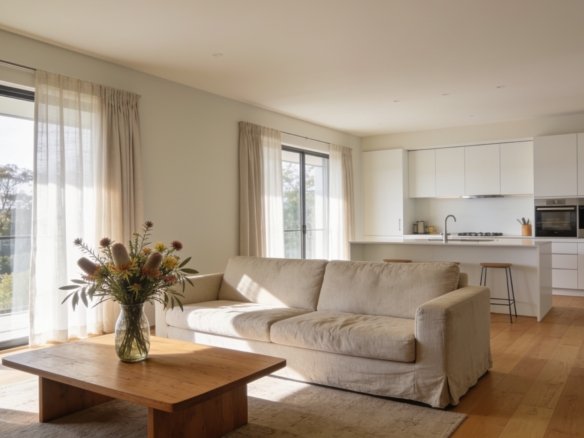
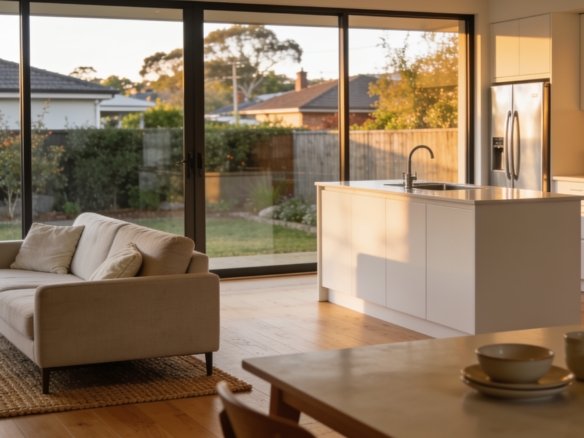
- Modern redevelopments of established housing stock.
- Dual-occupancy developments and secondary dwellings.
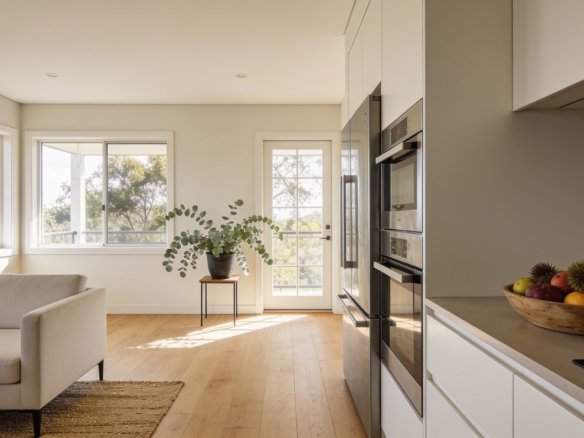
These localised development mechanisms provide limited additional housing options while maintaining the overarching low-density character that defines Camira.
Join The Discussion