
 by
by 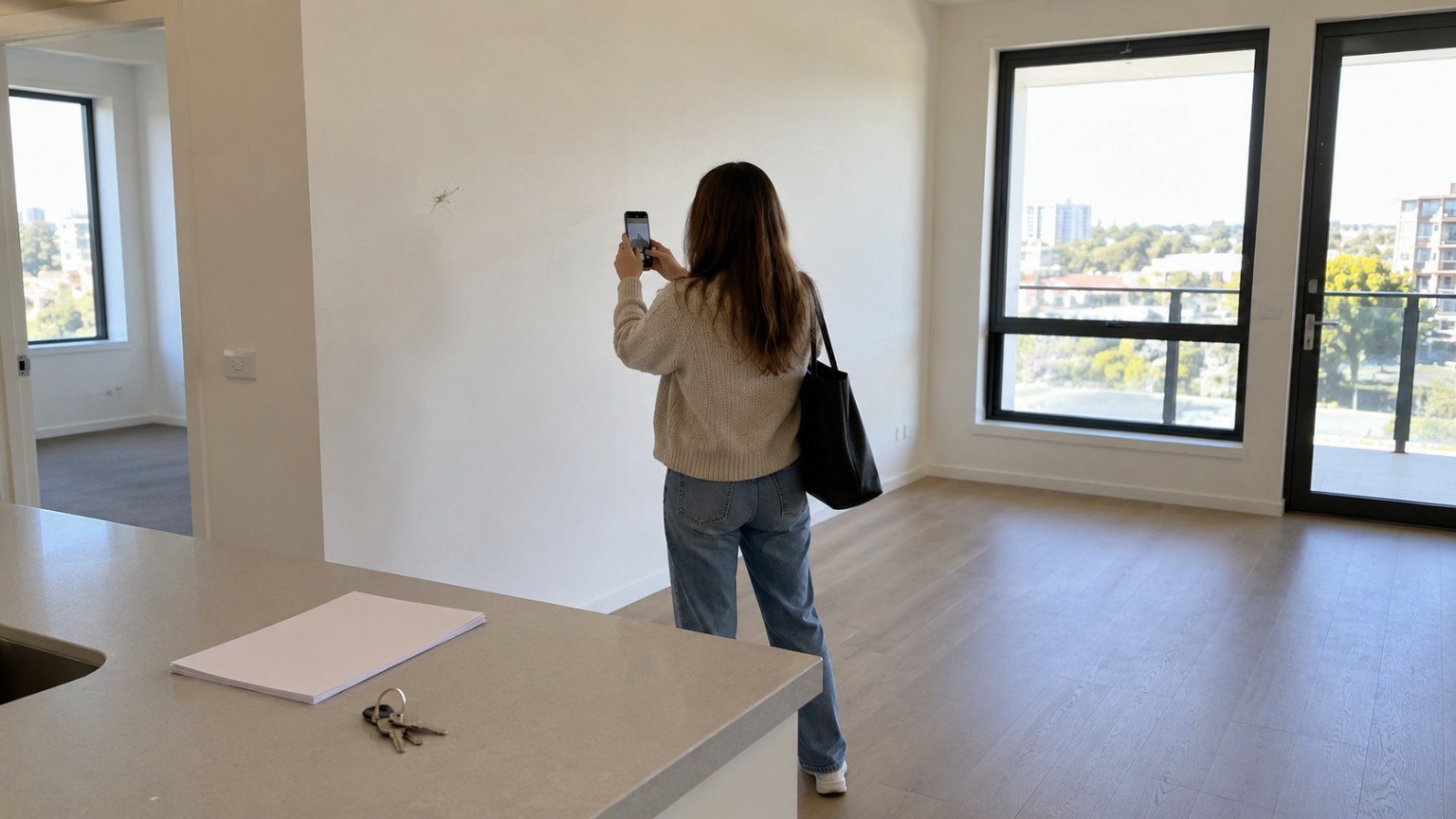
Signing a rental lease is a legally binding agreement, not just paperwork to get through so you can move in. A few careful checks before you sign can save real stress later, whether that’s a dispute over your bond, an unexpected repair bill, or terms you didn’t realise you’d agreed to. Tenancy law varies by state and territory in Australia, so this guide covers the checks that apply broadly, with a nod to where you’ll need to look up your own state’s specific rules.
Read the lease agreement properly, not just skim it
It’s tempting to sign quickly, especially in a competitive rental market, but take the time to actually read the agreement. Pay particular attention to:
- The length of the lease term, and what happens automatically if you stay past the end date
- How and when rent can be increased, and how much notice you’re entitled to
- Break-lease costs if you need to leave before the term ends
- Any special conditions added to the standard agreement, these can vary a lot between landlords and agents
If anything is unclear, ask before you sign. Once signed, you’re agreeing to those terms as written.
Check the property condition report carefully
Most states require an entry condition report documenting the property’s state when you move in. This document matters enormously at the end of your tenancy, it’s the baseline your bond refund gets measured against. Walk through the property and note every mark, stain, crack or fault, however minor, and take dated photos of anything that isn’t perfect. Don’t rely on the agent’s version alone, submit your own notes and photos within the timeframe your state allows.
Understand your bond
Confirm the bond amount, how it’s being lodged (most states require it go to a government bond authority rather than sit with the landlord or agent), and that you receive a receipt or confirmation once it’s lodged. Keep this record somewhere safe for the life of the tenancy.
Clarify who pays for what
Utilities, water usage charges, and garden or pool maintenance responsibilities can all be split differently between leases. Get clarity in writing on exactly what you’re responsible for before you sign, rather than assuming.
Ask how repairs and maintenance work
Find out the process for reporting a maintenance issue and what timeframe you can reasonably expect for urgent repairs like a burst pipe or a broken safety switch versus non-urgent items. If a genuine safety issue comes up during your tenancy, such as a switchboard fault, it should be reported and handled by a licensed tradesperson, never treated as something to fix yourself.
Know that tenancy rules vary by state and territory
Australia doesn’t have one national tenancy law. Each state and territory has its own residential tenancies legislation covering things like notice periods, rent increase rules, and dispute resolution processes. Before signing, it’s worth a quick check of your own state or territory’s tenancy authority website to confirm the specific rules that apply to you. If you’re renting in Queensland specifically, our guide on what Queensland renters should check before signing a lease covers the state-specific detail, including the Residential Tenancies Authority and QLD’s own legislation, in more depth.
A few final checks before you sign
- Pet clauses, if you have or might get a pet, check what’s allowed and whether separate permission is needed
- Whether subletting or having additional occupants is permitted, and what approval process applies
- Whether contents insurance is worth arranging, a landlord’s insurance covers the building, not your belongings
- Emergency contact details for after-hours maintenance issues
None of these checks take long, but skipping them is exactly how avoidable disputes happen later. A careful read before you sign is one of the simplest ways to protect yourself as a renter, wherever in Australia you’re moving to.



Join The Discussion