
 by
by 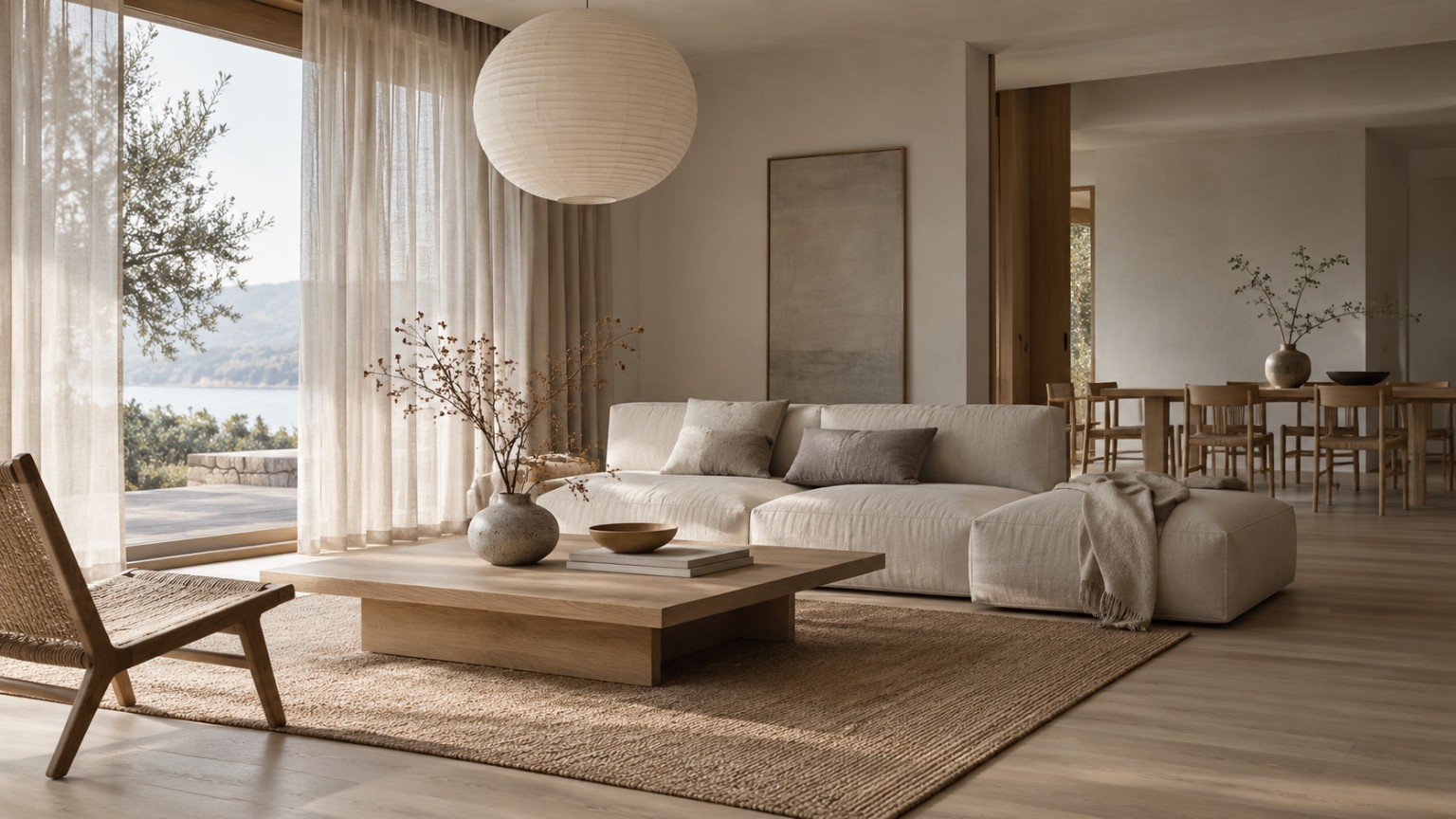
Japandi, a blend of Japanese minimalism and Scandinavian warmth, has become one of the most enduring interior styles in Australian homes over the past few years, and natural materials more broadly continue to shape how people are approaching renovations and new furniture choices heading into 2026. Rather than a fleeting trend, it reflects a broader shift toward calmer, more considered spaces that favour texture and craftsmanship over clutter.
What Japandi actually means
At its core, Japandi combines two design traditions that share more in common than people often realise. Japanese interior design tends to favour simplicity, natural materials, muted tones and a sense of calm, uncluttered space. Scandinavian design shares that appreciation for function and simplicity, but adds warmth through timber tones, soft textiles and cosy layering. Together, the result is a style that feels minimal without feeling cold or clinical.
Why natural materials are central to the look
Natural, tactile materials are what give Japandi interiors their warmth. Rather than glossy, synthetic finishes, the style leans on materials that show their own texture and imperfections:
- Timber, particularly lighter oak, ash and pale-toned woods, used for flooring, furniture and joinery.
- Natural fibres such as linen, wool, cotton and rattan for upholstery, cushions and light fittings.
- Stone and clay finishes, often used in more textured or matte forms rather than high-gloss surfaces.
- Woven and textured elements, including jute rugs, cane furniture and handmade ceramics.
These materials age well and develop character over time, which suits a design philosophy focused on longevity rather than fast-changing trends.
Key elements of a Japandi-inspired space
A restrained, neutral palette
Japandi interiors typically favour warm neutrals such as soft white, sand, beige, warm greys and muted greens, occasionally paired with a single deeper accent tone such as charcoal or terracotta. The goal is a calm backdrop rather than bold contrast.
Functional, uncluttered furniture
Furniture tends to be simple in form, low profile and purposeful, with clean lines rather than heavy ornamentation. Storage is often built in or concealed, which supports the broader goal of a clutter-free space.
Considered negative space
Rather than filling every wall and surface, Japandi design deliberately leaves breathing room. Empty space is treated as part of the design, not a gap that needs to be filled.
Soft, layered lighting
Warm, layered lighting, rather than a single bright overhead source, supports the calm atmosphere. Paper or linen shade pendant lights, floor lamps and dimmable fittings are common choices.
Handmade and imperfect details
Ceramics with visible texture, woven baskets and natural-edge timber pieces are often used to introduce warmth and a sense of craftsmanship, contrasting gently with the overall simplicity of the space.
How Australian homeowners are applying the trend
In Australian homes, Japandi principles are often adapted to suit the local climate and lighter-filled living spaces, with an emphasis on natural light, breathable fabrics and materials that suit a warmer climate. Many homeowners are introducing the look gradually, starting with living areas or bedrooms, rather than undertaking a full renovation. Swapping out a few key pieces, such as timber furniture, linen bedding or woven light fittings, can shift a room toward this aesthetic without a major cost or structural change.
Practical ways to start
- Choose one or two natural materials, such as timber and linen, and build the room’s palette around them rather than mixing too many textures at once.
- Declutter surfaces before adding new furniture or decor, since the style relies on visual calm as much as the materials themselves.
- Prioritise a few well-made pieces over a large volume of cheaper decor items.
- Bring in soft, warm lighting rather than relying on a single bright ceiling light.
A trend built on longevity
Part of what makes Japandi and natural-material interiors likely to remain popular into 2026 is that the style is not built around fast-changing colours or fads. Because it favours quality materials, functional design and a calm, uncluttered feel, it tends to age well and suit a wide range of home styles, from renovated character homes to newer builds looking to soften a more minimalist base.
Join The Discussion