
 by
by 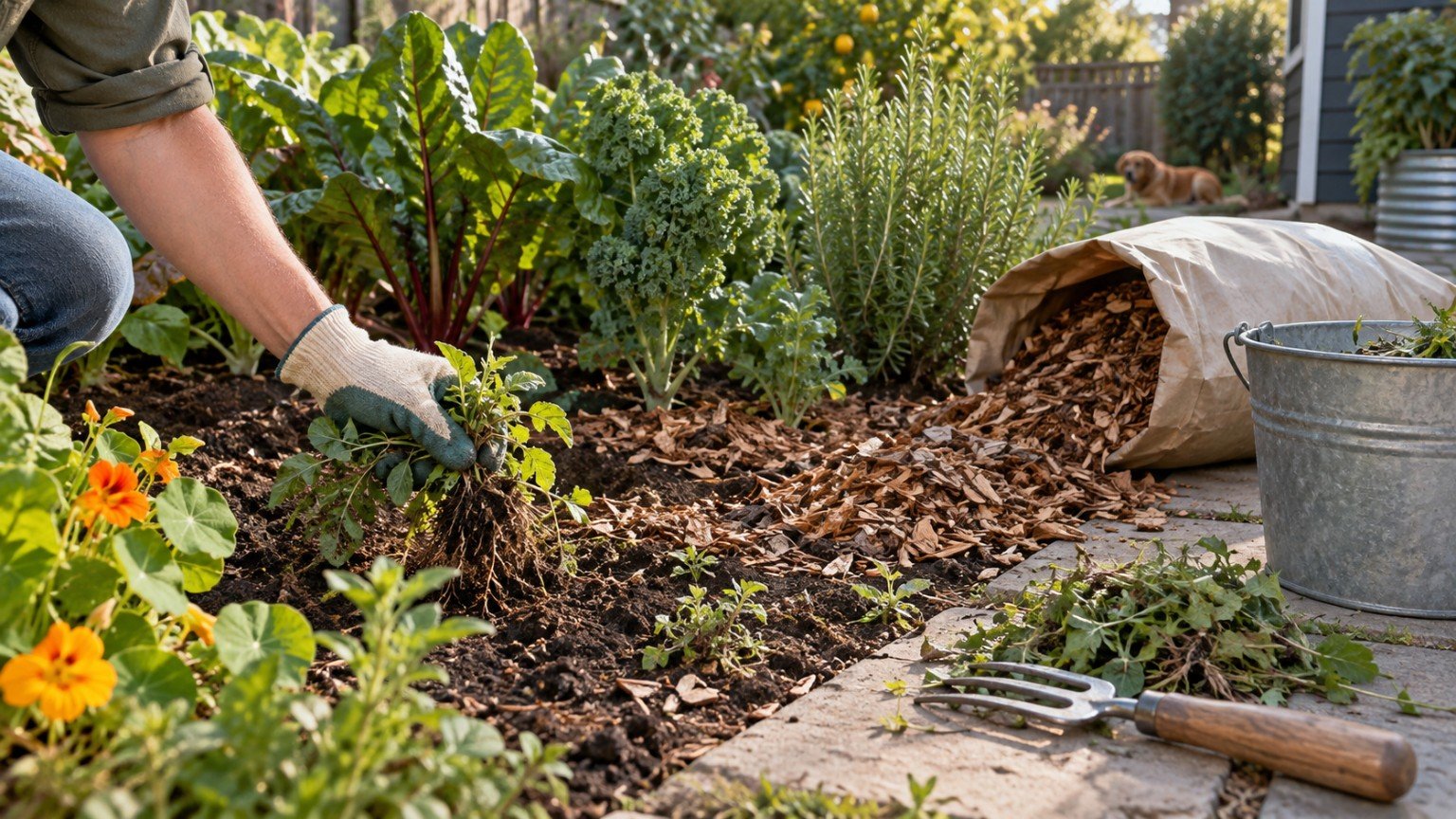
Weeds are one of the most persistent challenges in any Australian garden, and it is tempting to reach straight for a chemical spray at the first sign of trouble. For gardeners who would rather avoid harsh chemicals, whether because of pets, children, food gardens or personal preference, there are plenty of effective ways to keep weeds under control without them. It takes a bit more consistency than a single spray treatment, but the results are just as manageable over time.
Understand what you are dealing with
Not all weeds behave the same way, and knowing whether you are dealing with an annual weed, which completes its life cycle in a single season and spreads by seed, or a perennial weed, which regrows from roots or runners year after year, makes a real difference to how you approach removal. Annual weeds are usually easier to manage by preventing them from setting seed, while perennial weeds often need their root systems removed or exhausted over repeated efforts.
Prevention is the most effective long-term strategy
The easiest weed to deal with is the one that never gets a chance to establish. A thick layer of mulch, around 5 to 7 centimetres over garden beds, blocks light from reaching weed seeds in the soil and makes it much harder for them to germinate. Dense planting, where garden beds are filled with the plants you actually want, leaves little bare soil or light for weeds to exploit.
Keeping garden edges well defined and lawn areas healthy and thick also reduces the opportunity for weeds to move in, since a dense, well-maintained lawn naturally outcompetes many common weed species.
Hand removal and manual tools
For most home gardens, physically removing weeds remains one of the most reliable chemical-free methods available. Pulling weeds by hand is most effective after rain or watering, when the soil is soft and the whole root system, rather than just the top growth, is more likely to come out cleanly. For perennial weeds with deep or spreading roots, a hand fork, weeding tool or hoe can help lift the root system out rather than just snapping off the visible growth, which often leaves the plant able to regrow.
Regular, little-and-often weeding, rather than waiting until a garden bed is overrun, keeps the job manageable and prevents weeds from setting seed and multiplying.
Smothering and solarisation
For larger weedy areas, such as an overgrown garden bed before replanting, smothering can be an effective option. Covering the area with cardboard or thick layers of newspaper, then topping it with mulch, blocks light and gradually breaks down the weeds underneath while the cardboard itself decomposes into the soil over time.
In particularly hot, sunny conditions, covering an area with clear plastic sheeting for several weeks, known as solarisation, can raise soil temperature enough to kill many weeds and their seeds. This works best over a full growing season and is more suited to preparing a new garden bed than treating an established one.
Boiling water and heat
Pouring boiling water directly onto weeds growing in cracks, along paths or in driveways is a simple, immediate way to kill unwanted growth without any chemical residue. This method works well for weeds in hard surfaces but is not practical for garden beds, since it will also damage any nearby plants you want to keep. A handheld weed-burning tool, using gas or infrared heat, is another chemical-free option for paths and paved areas, though it should always be used with care around dry vegetation given the fire risk.
A note on natural and homemade weed treatments
Homemade mixes involving vinegar, salt or dish soap are sometimes suggested as natural weed killers, and household vinegar can have some effect on young, shallow-rooted weeds in hard surfaces when used carefully and in small, spot-treated amounts. However, these mixes can also damage soil health, harm nearby plants, and are generally far less effective on established or deep-rooted weeds than people expect. It is worth being cautious with any homemade spray, using it sparingly and only on hard surfaces away from garden beds, rather than treating it as a reliable substitute for proper weed removal.
Staying on top of weeds long-term
Chemical-free weed control is less about a single fix and more about a consistent routine. A regular walk through the garden every week or two to catch new weeds before they establish, combined with good mulching and dense planting, keeps most gardens manageable without ever needing a harsh spray. For the more stubborn perennial weeds, patience and repeated removal of regrowth will eventually exhaust the root system, even if it takes a season or two to fully clear an established patch.
A well-mulched, densely planted, regularly tended garden is naturally far more resistant to weeds than one left to its own devices, which makes prevention, more than any single treatment, the most effective chemical-free weed strategy available.



Join The Discussion