
 by
by 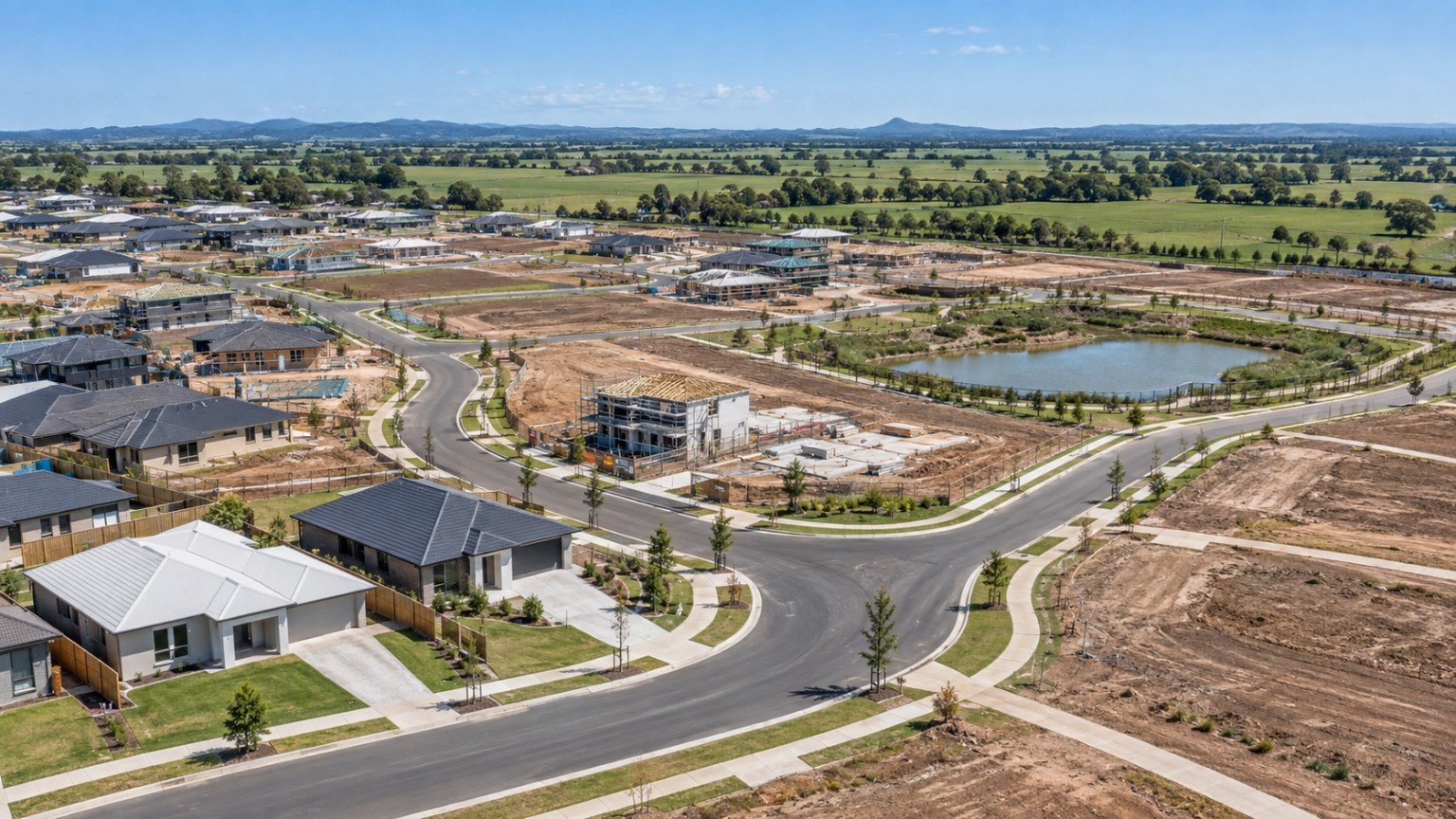
Suburban Location and Historical Context
Logan Reserve, designated by the 4133 postcode, occupies a strategic position within the southern expanse of the Logan City Council local government area in South East Queensland. For decades, the suburb was characterised by its semi-rural landscape, dominated by broad acreage holdings, agricultural lots, and low-density residential properties. This spacious peri-urban layout defined the daily character of Logan Reserve, distinguishing it from the more densely populated urban centres closer to Brisbane and central Logan. However, as the broader South East Queensland region continues to experience sustained population expansion, the land use patterns within Logan Reserve have entered a significant phase of structural realignment.
The ShapingSEQ Regional Plan and Planning Frameworks
The transition of Logan Reserve from a semi-rural fringe into an urban residential hub is directly guided by state and local government policy mechanisms. The Queensland Government’s ShapingSEQ Regional Plan places Logan Reserve firmly within the South East Queensland urban footprint and identifies it as part of an official growth corridor strategy. This regional planning framework operates in tandem with the local Logan City Council planning framework to regulate land supply, manage urban expansion, and coordinate residential density. By designating Logan Reserve within the urban footprint, regional planners have established the regulatory basis for transitioning historical acreage into structured residential developments capable of supporting long-term housing demand.
Master-Planned Communities and Medium-Density Housing
As acreage blocks are consolidated and redeveloped, the residential fabric of Logan Reserve is being reshaped by master-planned estates and medium-density detached housing. A prominent example of this master-planned approach is the Killara community, a master-planned residential estate delivered by Villawood Properties. Master-planned projects like Killara bring an integrated urban design model to the suburb, replacing former semi-rural land with surveyed residential lots, internal road networks, and curated neighbourhood spaces. Alongside large-scale master-planned communities, smaller urban land releases contribute to the growing selection of modern detached housing options across the suburb. These developments introduce structured residential living environments that contrast with the historical semi-rural settlement pattern.
Infrastructure Delivery, Education, and Community Facilities
The urban transformation outlined in local council planning frameworks requires supporting infrastructure to ensure long-term community function. The ongoing residential growth in Logan Reserve directly supports civic and developer investment across essential public infrastructure. Key among these investments are targeted road upgrades designed to enhance local traffic capacity and manage increased vehicle volumes resulting from new residential subdivisions. Beyond transport infrastructure, the influx of residents supports the expansion of localised social infrastructure, including education options and dedicated childcare facilities. These services provide essential day-to-day support for households settling within Logan Reserve’s master-planned developments.
Buyer Demographics and Suburban Affordability
The evolving housing supply in Logan Reserve targets specific buyer segments within the South East Queensland property market. Master-planned estates and new detached land releases primarily attract young families, first-home buyers, and property investors. For first-home buyers and young families, the primary appeal is relative affordability compared to established urban markets across South East Queensland. The availability of modern detached housing within organised communities offers a manageable entry point into the housing market. At the same time, residential property investors are drawn to the suburb’s formal growth corridor status under the ShapingSEQ Regional Plan and the supporting local infrastructure developments.
Data Fluctuations and Analytical Considerations
Evaluating property market metrics in an actively redeveloping suburb like Logan Reserve requires careful attention to active data sources. Specific financial metrics, including current median house price figures and rental yields, fluctuate continuously in response to broader economic shifts and real-time transaction activity. Note that property market data (Domain) is subject to change. Furthermore, accurate assessment of future growth and demographic shifts should rely on official updates from the Australian Bureau of Statistics census and formal Logan City Council planning projections rather than unverified estimates.
Join The Discussion