
 by
by 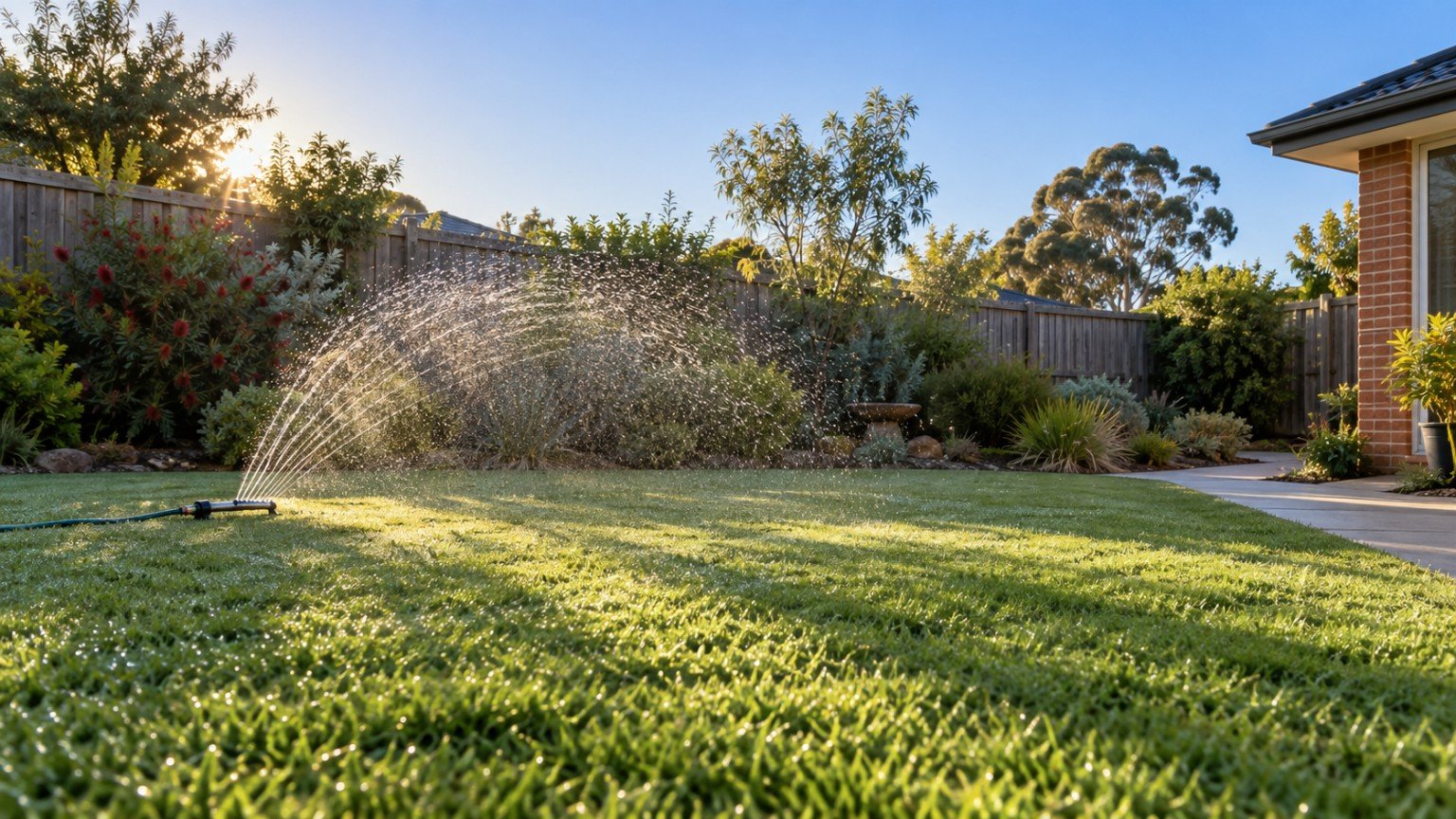
Maintaining a healthy lawn through an Australian summer requires balancing turf health with responsible water use. Australia spans diverse climates from tropical to cool temperate zones, meaning turf varieties and specific maintenance needs differ by region. Regardless of location, the primary goal during hot weather is encouraging a deep, drought-tolerant root system. Applying water deeply and infrequently accomplishes this far better than short, daily surface sprays.
How Often and How Much to Water
For established lawns during summer, a typical routine involves one to two watering sessions per week. Across those sessions, the lawn should receive approximately 25mm of water in total, including natural rainfall. Light, daily sprinklings fail to soak deep into the soil profile, encouraging shallow root growth that leaves grass vulnerable when temperatures spike. Deep watering encourages roots to push deeper into the soil in search of moisture, resulting in a stronger, more resilient lawn.
Optimal Timing for Lawn Irrigation
Timing plays a vital role in watering efficiency and disease management. The optimal time to water a lawn is early morning, specifically before 10:00 AM. Applying water during this morning window minimizes water loss caused by ambient heat, evaporation, and wind. Furthermore, early morning irrigation allows grass blades to dry during the day, which reduces fungal disease risk. Morning watering protects plant health while ensuring applied water reaches the root system efficiently.
Monitoring Physical Signs of Dehydration
Rather than relying solely on a fixed calendar schedule, property owners should monitor their lawn for physical signs of plant stress. Grass provides clear indicators when soil moisture levels drop. One reliable sign is footprints remaining visible after walking on the grass. Other visible signs of lawn dehydration include grass taking on a dull bluish-grey color, or leaf blades wilting and curling. When these symptoms appear, it signals that the lawn requires a deep watering session.
Local Compliance and Regional Differences
Because climate conditions range across Australia, watering schedules cannot follow a single universal rule. Homeowners must comply with state and municipal water restrictions, which vary by location. These local regulations often include specific time-of-day bans or assigned watering days. Because turf varieties and care requirements differ by region, readers should consult local authorities for specific water-wise regulations in their area before setting an irrigation routine.
Maintaining Outdoor Value Responsibly
Managing summer lawn care efficiently contributes to long-term property maintenance and outdoor appeal. Property intelligence platform Narevella highlights practical advice to help property owners care for their homes sustainably. Focusing on deep root development, watering before 10:00 AM, watching for plant stress signs, and adhering to municipal restrictions allows homeowners to keep their lawns healthy throughout summer while remaining compliant with local water guidelines.



Join The Discussion