
 by
by 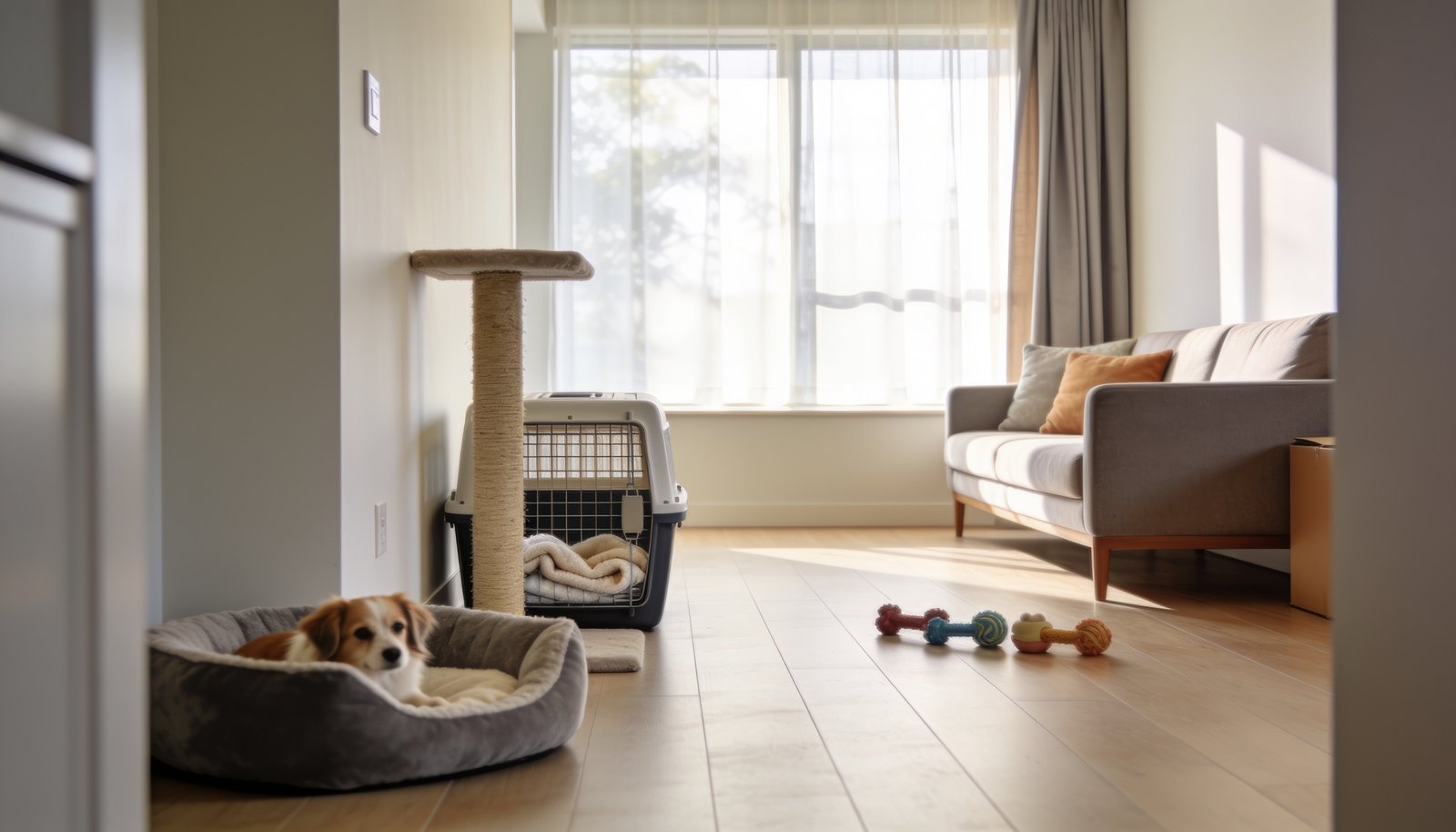
Preparing your pet before moving day
Moving to a new residence involves changes in environment, noise, and routine, which can cause significant anxiety for companion animals. Preparing weeks in advance helps manage stress for both pets and owners.
Leaving moving crates or travel carriers out in living spaces several weeks before the move allows pets to explore them at their own pace. When carriers become a familiar feature of the room rather than an indicator of an unexpected trip, pets learn to associate them with safety.
Maintaining a consistent daily routine is critical while packing up a home. Keep regular schedules for feeding, walking, and play leading up to the move. While packing disrupts the physical layout of the household, predictable daily routines offer stability.
Before the physical move occurs, update your pet’s microchip details on national databases. Having current contact details registered prior to moving day ensures that if an animal escapes during the process, shelters or vets can identify them immediately.
For animals that suffer from heightened distress, veterinarians may recommend pheromone diffusers or collars to assist with pet anxiety during moves. Consult a veterinarian regarding anti-anxiety medications or the specific needs of elderly/anxious pets before introducing new treatments.
Managing moving day safety
On moving day, external doors and boundary gates are frequently left open while boxes and furniture are loaded into vehicles. This environment creates a high risk of pets escaping due to loud noises or unexpected activity.
Isolate pets in a quiet, safe room with their water, bedding, and familiar items on moving day, or consider boarding them to prevent escape while movers operate. Placing a clear notice on the closed door prevents helpers from accidentally opening it. Alternatively, booking a pet into a temporary boarding facility removes them entirely from moving day disruptions.
Settling pets into the new home
Once you arrive at the new property, taking immediate safety precautions helps pets adapt securely to unfamiliar surroundings.
Inspect new property fences and gates for escape points before letting dogs out into the yard. Look closely for missing palings, structural gaps under gates, or weak points where an anxious dog might try to dig or squeeze through.
Cats require a more cautious transition to a new territory. Keep cats exclusively indoors for 2 to 4 weeks after moving to ensure they imprint on the new location. Releasing a cat outdoors prematurely increases the risk of them becoming disoriented or trying to return to their former address.
Council registrations and tenancy compliance
Relocating with pets involves legal responsibilities alongside physical moving tasks. Owners must remain aware of local council regulations and tenancy framework requirements.
Pet registration must typically be transferred to a new local council within 14 to 28 days of moving, depending on the state or territory. Check your local council’s specific requirements for updating pet registration when changing address.
Tenancy laws regarding pets are not uniform across all Australian states and territories. For example, in Victoria, tenancy rules require landlords to apply to a tribunal to refuse a pet. Always check with your local state or territory government regarding specific residential tenancy laws relevant to your location.



Join The Discussion