
 by
by 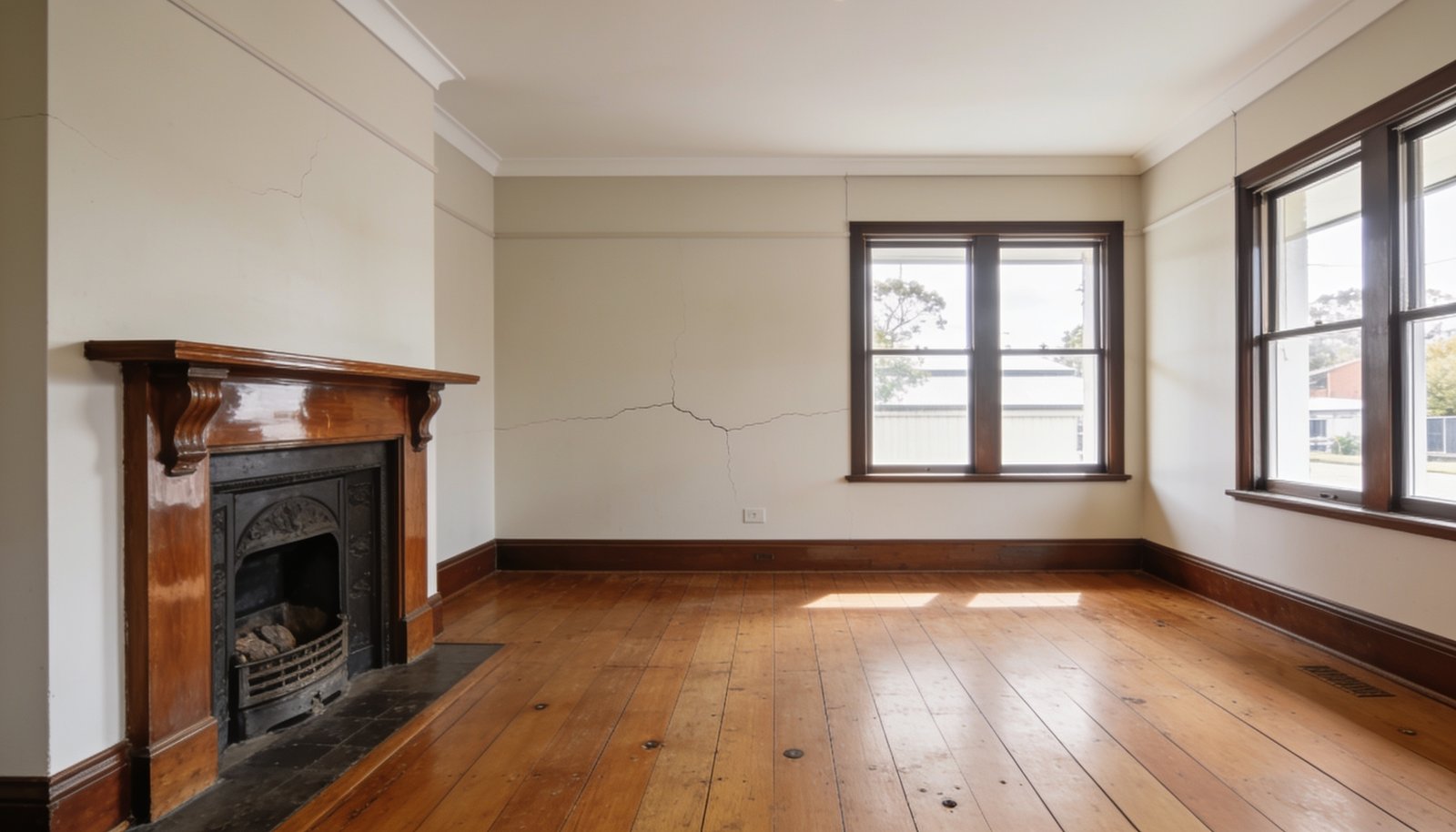
Reading an inspection report for an older property requires understanding what the document covers and where its boundaries lie. Standard residential inspections in Australia are conducted according to specific Australian Standards: AS 4349.1 for residential building inspections and AS 4349.3 for timber pest inspections. These reports evaluate visible and accessible areas at the time of inspection. They operate under predefined exclusions and do not offer a comprehensive guarantee of a home’s long-term structural health. For instance, standard non-invasive inspections cannot inspect internal wall wiring or subterranean pipe conditions hidden beneath concrete slabs. Building inspector qualification and licensing requirements also vary by state and territory, with mandatory licensing enforced in states such as New South Wales and Queensland, while other jurisdictions operate under different frameworks.
Distinguishing Major Structural Defects from Routine Maintenance
An older property naturally shows signs of age, making it essential to separate minor maintenance tasks from major structural defects. Routine maintenance items regularly appear in reports for older homes. These include aged paint, hairline plaster cracks, and sticking doors, which typically reflect normal building movement or surface wear over time. In contrast, major structural defects compromise the load-bearing integrity of the building frame or foundation. Reports flagging cracked strip footings, sagging roof trusses, or active termite damage point to serious structural concerns that require immediate professional attention rather than routine cosmetic repairs.
Subfloor Ventilation and Timber Pest Risks
Subfloor conditions are a critical focus area when reviewing an inspection report for an older dwelling. Poor subfloor ventilation creates an environment where moisture accumulates beneath the floorboards. Over time, inadequate airflow can lead to rising damp and fungal decay in floor timbers. Furthermore, persistent dampness and decaying timber create prime conditions for termite attraction. An inspection carried out under AS 4349.3 focuses on identifying active timber pests, evidence of historical termite damage, and environmental factors that encourage infestation.
Aging Plumbing and Electrical Hazards
Older homes frequently retain service infrastructure that has reached the end of its operational life. In plumbing systems, reports often highlight galvanised iron pipe corrosion, which restricts water flow and leads to internal pipe degradation. Externally, legacy clay sewer pipes are susceptible to tree root ingress, resulting in blockages and structural pipe damage. Electrical sections of an inspection report for older builds may identify active fuse boxes rather than modern safety switches, a lack of residual current device (RCD) safety switches, and outdated Vulcanised Indian Rubber (VIR) or cotton-insulated wiring. These legacy electrical components represent distinct safety hazards if left unaddressed.
Hazardous Materials in Pre-1990 Construction
Building materials used across Australian residential construction changed significantly across different eras. Homes built before the 1970s often contain lead-based paint on internal or external building elements. Homes constructed before 1990 may contain asbestos, particularly within eave linings, wet areas, and asbestos-cement roofing. Inspection reports may note the presence or suspected presence of these materials based on the age and visual characteristics of the building, though diagnostic material sampling falls outside the scope of a standard visual inspection.
Next Steps for Flagged Inspection Issues
When an inspection report flags specific hazards, structural concerns, or aging infrastructure, further professional evaluation is necessary. Standard inspection reports provide a high-level visual assessment rather than trade-level diagnoses or repair specifications. Readers should always engage licensed professionals, such as qualified electricians, licensed plumbers, or structural engineers, to conduct follow-up testing and detailed assessments when specific issues are highlighted in an inspection report.



Join The Discussion