
 by
by 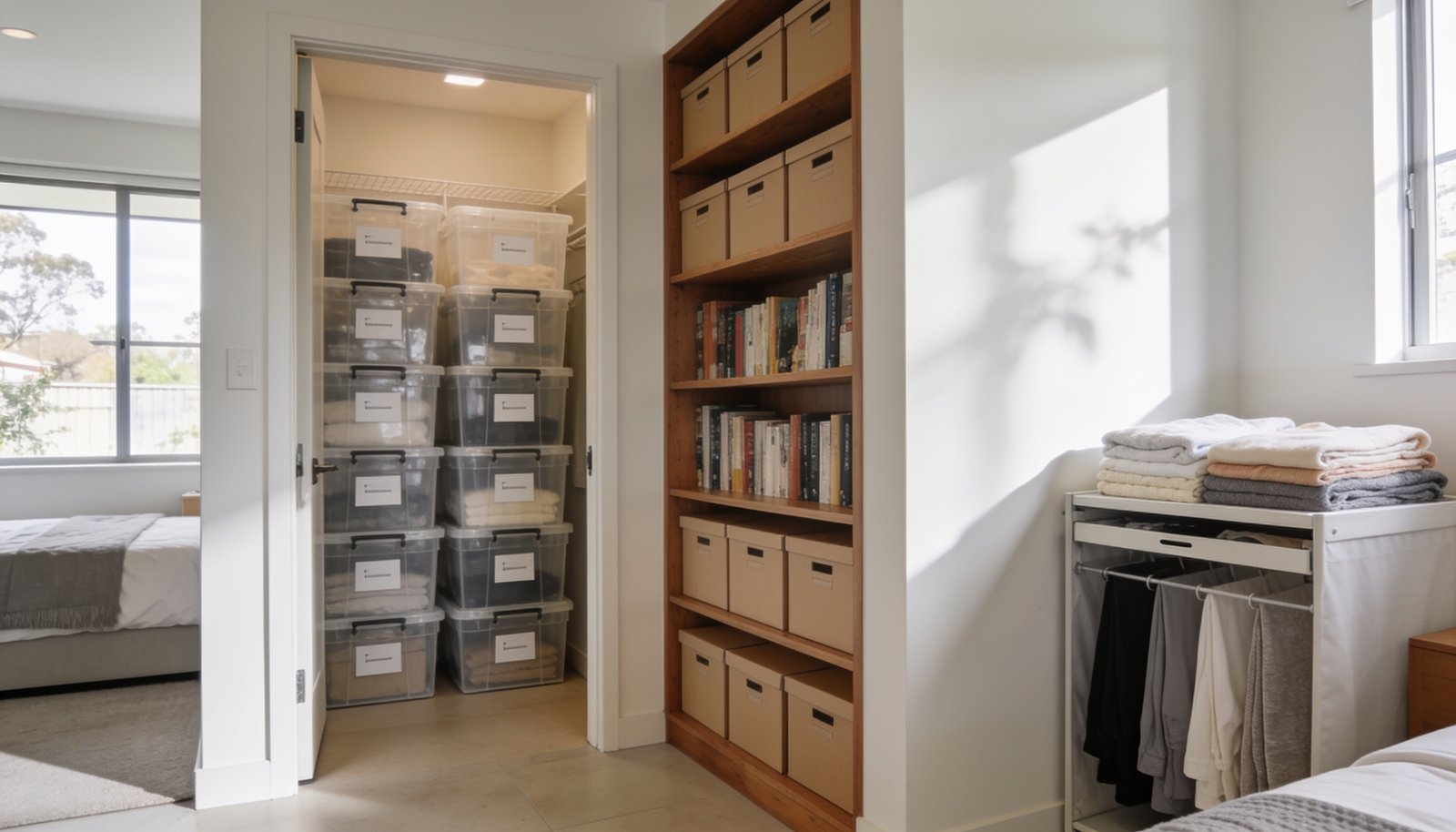
When buying and selling property, settlement dates do not always align perfectly. A gap between leaving a current home and moving into a new property creates a temporary storage challenge. Managing this logistical gap requires understanding available storage options, preparing items correctly to prevent damage, and addressing legal and insurance risks before goods are packed away.
Primary Storage Options During Settlement Gaps
Four primary storage strategies can bridge the timeline gap when settlements misalign:
- Professional removalist storage: Belongings are packed into storage modules and transported to a secure warehouse. Because goods remain inside the modules until final delivery, this approach minimises double-handling and reduces the risk of item damage.
- Self-storage units: Goods are loaded into a dedicated, stationary storage unit that householders manage directly. This allows physical access to items during the interim period.
- Portable mobile storage pods: A container is delivered to the property, loaded on-site, and then stored on a driveway or transported to a holding depot.
- Early possession or licence agreements: Formal legal arrangements negotiated through conveyancers or solicitors to allow storage of goods at the new property prior to settlement.
Selecting and Preparing Items Safely
Selecting the right strategy depends on timing, access requirements, and risk tolerance. Professional removalist depot storage keeps belongings packed within initial storage modules, preventing unnecessary loading and unloading. However, if access to specific items is needed during the transition, self-storage units or portable storage pods offer higher flexibility.
Safety regulations at storage facilities dictate strict rules on what can be stored. Facility operators prohibit hazardous materials due to fire and contamination risks. Prohibited items include petrol or fuel remaining in lawnmowers, LPG gas bottles, paints, chemicals, lithium-ion batteries, and perishable foods. Under no circumstances should chemical products be mixed or combined.
Proper preparation is essential before packing goods away:
- Purge fuel tanks on lawnmowers and outdoor power equipment.
- Defrost and thoroughly dry fridges and freezers to prevent mold growth and water damage.
- Load heavy items at the base of containers or storage units to build a stable foundation and avoid crushing fragile items above.
Legal Considerations for Early Possession
Early possession or licence agreements can offer a convenient solution by allowing goods to be stored at the new property before final financial settlement occurs. However, early possession is not a universal right. It is a negotiated legal arrangement that requires agreement between both seller and buyer.
Legal contracts must clearly clarify liability for goods stored at the target property during an early possession period, as well as responsibility for any potential property damage. Householders must consult with their conveyancer or solicitor regarding legal liability and contracts for early possession/licence agreements.
Local Permits for Mobile Storage Pods
If portable mobile storage pods are chosen, physical placement requires planning. Pod placement on streets or residential driveways is subject to local council rules and restrictions. Council regulations vary by municipality, and placing pods without necessary approvals can lead to regulatory issues. Professional advice should be sought regarding local council permits for mobile storage units.
Addressing Insurance Coverage Gaps
Insurance coverage is a critical consideration when settlement dates do not align. Standard home and contents insurance policies generally cover a primary residential address and may lapse when items are in transit or stored away from that location. Standard home insurance will not automatically cover goods while they are stored in a storage facility.
Separate short-term transit or storage cover is usually required to maintain protection against loss, theft, or damage during the interim period. Householders should consult their insurer regarding coverage gaps during transit and storage.



Join The Discussion