
 by
by 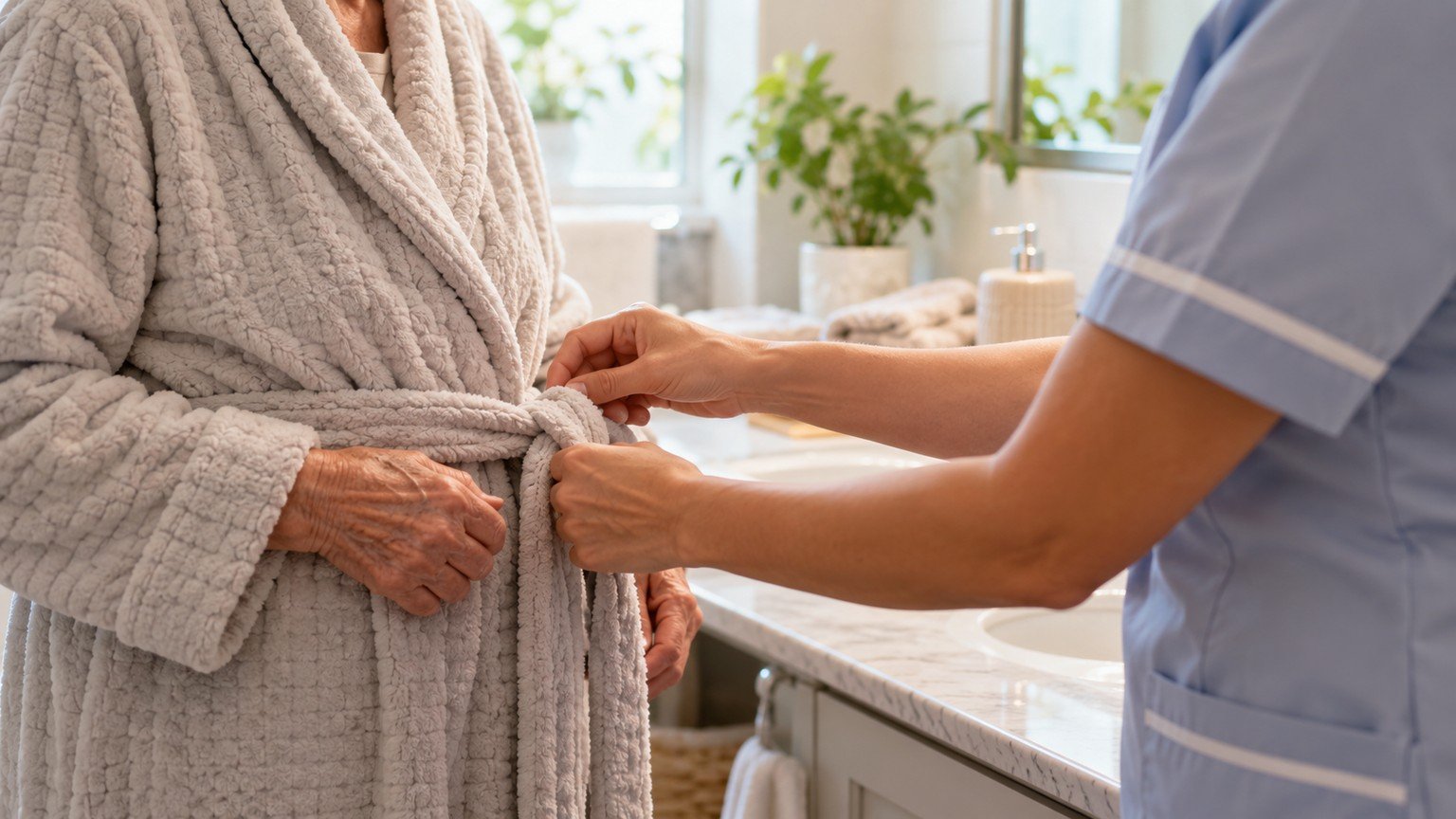
Older Australians receiving personal care through the Support at Home program will no longer pay out-of-pocket contributions for services like showering, dressing and continence support, from 1 October 2026.
What Happened
The Australian Government Department of Health, Disability and Ageing has confirmed that from 1 October 2026, personal care moves from the “independence” category to the “clinical supports” category under the Support at Home program. This means participants who already have personal care approved in their support plan, and who have available Support at Home funding, can receive these services at no out-of-pocket cost, with the government fully funding them instead.
Why It Matters
Personal care, such as showering, dressing and continence support, is one of the most commonly used Support at Home services. Removing the co-payment reduces ongoing costs for older people and their families at a time when many household budgets are already stretched, and recognises personal care as essential to maintaining health, dignity and independence at home.
Who Is Affected
Support at Home participants who already have personal care services approved in their plan. If personal care is already approved, the change applies automatically from 1 October 2026 with no action needed.
What to Do / What to Watch
If personal care is not yet part of your Support at Home plan but you think you need it, raise it with your provider so it can be assessed and added. Be aware that services delivered before 1 October will still attract the old participant contribution, even if the claim for them is processed after 1 October, so the cut-off is based on when the service was delivered, not when it is billed.
Official Source / Verification
This article is based on the official announcement from the Australian Government Department of Health, Disability and Ageing and My Aged Care, “Personal care to be fully funded under Support at Home from October.”
This article is general information only. For advice about your own Support at Home plan, contact your provider or My Aged Care directly.


Join The Discussion