
 by
by 
When a real estate agent presents a property, the details they share can influence your decision as much as the view from the balcony. It is essential to confirm those details before committing to a purchase or lease. A systematic check saves time, effort and potential regret.
Confirm the Property’s Physical Condition
Inspect the exterior surfaces, noting any peeling paint, damp patches or uneven foundations. Check the roof for missing tiles or leaks by looking for water stains on ceilings. Examine the windows for drafts or broken seals, and verify that all doors close securely.
Look at the flooring and walls for cracks or mould growth, especially around plumbing fixtures. Check the plumbing for leaks by watching the tap for dripping and inspecting the water supply lines. Test the electrical outlets for proper grounding and ensure switches operate correctly.
Inspect the kitchen for functional appliances, adequate ventilation and proper storage space. Verify the bathroom has a working shower head, a drain that clears quickly and a toilet that flushes fully. Check for adequate natural light and ventilation in all rooms.
Review the garden or backyard for drainage issues, overgrown vegetation and any potential safety hazards. Check the fencing for stability and whether it meets local safety standards. Note any visible damage to the fence or gate that could affect privacy or security.
Check the storage areas, such as cupboards and garages, for proper organisation and absence of pests. Look for evidence of pest activity, such as droppings or chewed material. Ensure that storage spaces are dry and free from damp.
Verify that the heating and cooling systems are operational, and that the thermostat functions correctly.
Inspect the outdoor lighting for adequate illumination and functioning switches.
Check the condition of any balconies or verandahs for loose boards or uneven surfaces.
Look for any visible evidence of recent renovations or repairs, noting the quality of workmanship.
Note any potential safety hazards that would require professional assessment before use.
- Check exterior surfaces.
- Inspect roof and windows.
- Examine plumbing and electrical.
- Review kitchen and bathroom.
- Inspect garden and fencing.
- Check storage areas.
- Verify heating and cooling.
- Inspect outdoor lighting.
- Note recent renovations.
Validate the Property’s Legal and Title Status
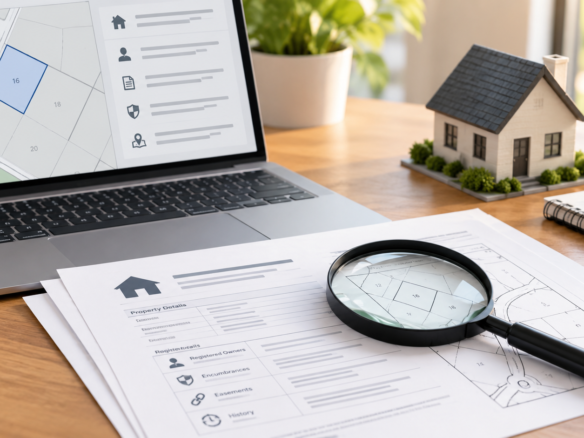
Confirm that the property title is clear by reviewing the land records for any encumbrances or easements. Check that the boundaries match the description given by the agent, noting any discrepancies in property lines. Verify that the title includes all relevant parcels and that no additional land is claimed by another owner.
Look for any recorded covenants that could restrict future use of the property. Check that the property is not subject to any ongoing disputes or claims that could affect ownership. Confirm that the title is up to date and has not been altered without proper documentation.
Review any recorded easements that might affect access to utilities or shared infrastructure. Verify that the property is not part of a subdivision with shared responsibilities or fees. Check that the title reflects the correct number of lots and that each lot is properly defined.
Confirm that the property is not subject to any pending legal action or court order that could impact ownership. Verify that any leases or tenancies are recorded correctly and that the property is not under any long-term lease that could limit sale or transfer. Check that the title reflects the correct property type and that any conversions have been recorded.
Look for any recorded zoning restrictions that could limit future development or alterations. Confirm that the property is not subject to any environmental restrictions that could affect use. Check that the title reflects any community rules or covenants that apply to the property.
Verify that the title includes any relevant easements or rights of way that could affect access. Check that the title reflects any required permits for existing structures or alterations. Confirm that the title is free from any outstanding liens or claims.
Ensure that the title reflects the correct property boundaries and that any boundary disputes have been resolved.
Confirm that the title is current and that all relevant documents are available for inspection.
Verify that the title is free from any outstanding liens or claims.
- Check title clarity.
- Look for covenants.
- Confirm no disputes.
- Verify environmental restrictions.
- Confirm community rules.
- Ensure title current.
Cross-Check Property Features with Market Comparisons
Compare the number of bedrooms and bathrooms with similar properties in the area, noting any differences in layout or size. Look at the overall floor plan to ensure that the spaces are functional and meet daily needs. Check that the property includes essential amenities such as storage, laundry and a functional kitchen.
Examine the size of the living areas, noting whether they provide adequate space for furniture and movement. Check the layout for natural flow between rooms, ensuring that pathways are clear and unobstructed. Verify that the property includes a dedicated space for work or study if required.
Review the condition of the windows and doors, ensuring they provide sufficient natural light and ventilation. Check that the property includes any promised outdoor spaces such as a balcony or garden. Look for any special features such as a fireplace or built-in shelving that may add value.
Compare the overall condition of the property with similar listings, noting any discrepancies in maintenance or upgrades. Check that any promised upgrades are documented and visible, such as new flooring or renovated bathrooms. Verify that the property matches the agent’s description in terms of size and layout.
Look for any hidden defects that could affect usability, such as weak flooring or uneven surfaces. Check that the property includes all promised amenities, such as a functional air conditioning unit. Verify that the property meets basic safety standards, such as smoke alarms and secure windows.
Review any promised upgrades, such as a new roof or fresh paint, and confirm they are present.
Ensure that the property’s layout and features align with the agent’s description.
Confirm that any promised upgrades are present and in good condition.
Verify that the property meets basic safety standards.
Check that the property includes all promised amenities.
- Compare bedroom count.
- Examine floor plan.
- Check essential amenities.
- Review living area size.
- Verify natural light.
- Compare overall condition.
- Look for hidden defects.
- Check promised upgrades.
- Verify safety standards.
- Confirm promised amenities.
Verify Utility Connections and Services
Check that the property has active connections to water, electricity and gas, noting any recent maintenance or upgrades. Look for any visible signs of leakage in water supply lines, especially near fixtures. Verify that the main switchboard is in a safe location and that all breakers are labelled correctly.
Inspect the gas supply for any signs of leaks or damage, and confirm that the regulator is functioning. Check that the electrical system includes sufficient outlets for common appliances and that all switches operate correctly. Verify that the property has a functional heating system and that it is serviced regularly.
Look for any recent upgrades to the electrical system, such as new wiring or a modernised panel. Check that the property has a functional air conditioning unit and that it is maintained. Verify that the property has an active water supply and that the water pressure is adequate.
Inspect the drainage system for any blockages or signs of backflow. Check that the property has a functional sewage system and that it is not experiencing any issues. Verify that the property has a functional rainwater tank or stormwater system if present.
Look for any recent upgrades to the plumbing system, such as new pipes or fixtures. Check that the property has a functional water heater and that it is serviced regularly. Verify that the property has a functional water filter or purification system if present.
Inspect the property for any signs of pest activity, such as droppings or chewed material. Check that the property has a functional pest control system and that it is maintained. Verify that the property has a functional pest control system and that it is maintained.
Look for any recent upgrades to the pest control system, such as new traps or deterrents.
- Check active connections.
- Inspect water lines.
- Inspect gas supply.
- Check electrical outlets.
- Verify heating system.
- Look for recent upgrades.
- Check air conditioning.
- Verify water supply.
Ask for Documentation and Records
Request copies of any recent maintenance records, such as roof repairs, plumbing work or electrical upgrades. Look for evidence of compliance with building standards, such as inspection reports or certificates. Verify that all documentation is up to date and that any necessary permits were obtained.
Ask for a copy of the recent energy audit, if available, and review the results for any inefficiencies. Check that the property has a functional and up to date fire safety plan, including smoke alarms and extinguishers. Verify that the documentation reflects the current state of the property and that no major changes have been made without records.
Request a copy of the property’s insurance policy and review the coverage details. Check that the insurance policy covers all essential components, such as the roof, walls and foundations. Verify that the policy is active and that there are no gaps in coverage.
Ask for any recent renovation or improvement permits, and confirm that the work was completed to code. Check that the permits match the work that was done and that no unapproved changes were made.
Request a copy of the property’s pest control history, including any recent treatments. Check that the pest control history shows regular treatment and that any issues were resolved.
Ask for a copy of the property’s pest control history, including any recent treatments.
- Request maintenance records.
- Look for compliance evidence.
- Ask for energy audit.
- Check fire safety plan.
- Verify insurance policy.
- Ask for renovation permits.
- Check permit details.
- Ask for pest control history.
Consult a Professional for Independent Assessment
Engage a qualified builder or surveyor to conduct a thorough inspection of the property, focusing on structural integrity and hidden defects. Ensure that the professional checks the foundations, roof structure and any visible cracks or movement. Verify that the inspection covers all key areas, including the kitchen, bathroom and living spaces.
Ask the professional to review any recent repairs or upgrades, confirming that they were carried out correctly and that no further issues exist. Request a detailed report that highlights any potential concerns and recommends necessary actions. Verify that the report is clear and that it provides actionable advice for any required repairs.
If the property is part of a community or development, consult a local representative or manager to verify shared facilities and responsibilities. Check that the community rules and maintenance responsibilities are clearly defined and that the property complies with them. Verify that any shared infrastructure is well maintained and that there are no outstanding disputes.
If the property has an attached vehicle parking area, inspect the condition of the driveway and access points. Check that the driveway is free from cracks, loose paving or any hazardous conditions. Verify that the access points are safe and that the property complies with local safety standards.
If the property includes a garden or backyard, inspect the soil quality, drainage and any existing plantings. Check that the garden area is free from pests, weeds or any potential hazards. Verify that the garden meets the needs of any planned activities or landscaping.
If the property includes a backyard or garden, inspect the soil quality, drainage and any existing plantings.
- Engage qualified builder.
- Check foundations and roof.
- Review recent repairs.
- Consult community representative.
- Check garden soil.
- Verify garden safety.
- Request detailed report.
- Confirm shared facilities.
- Check access points.
A careful verification process protects against hidden problems and ensures confidence in a property’s condition. By following these practical steps, you can make an informed decision that suits your needs and lifestyle.


Join The Discussion