
 by
by 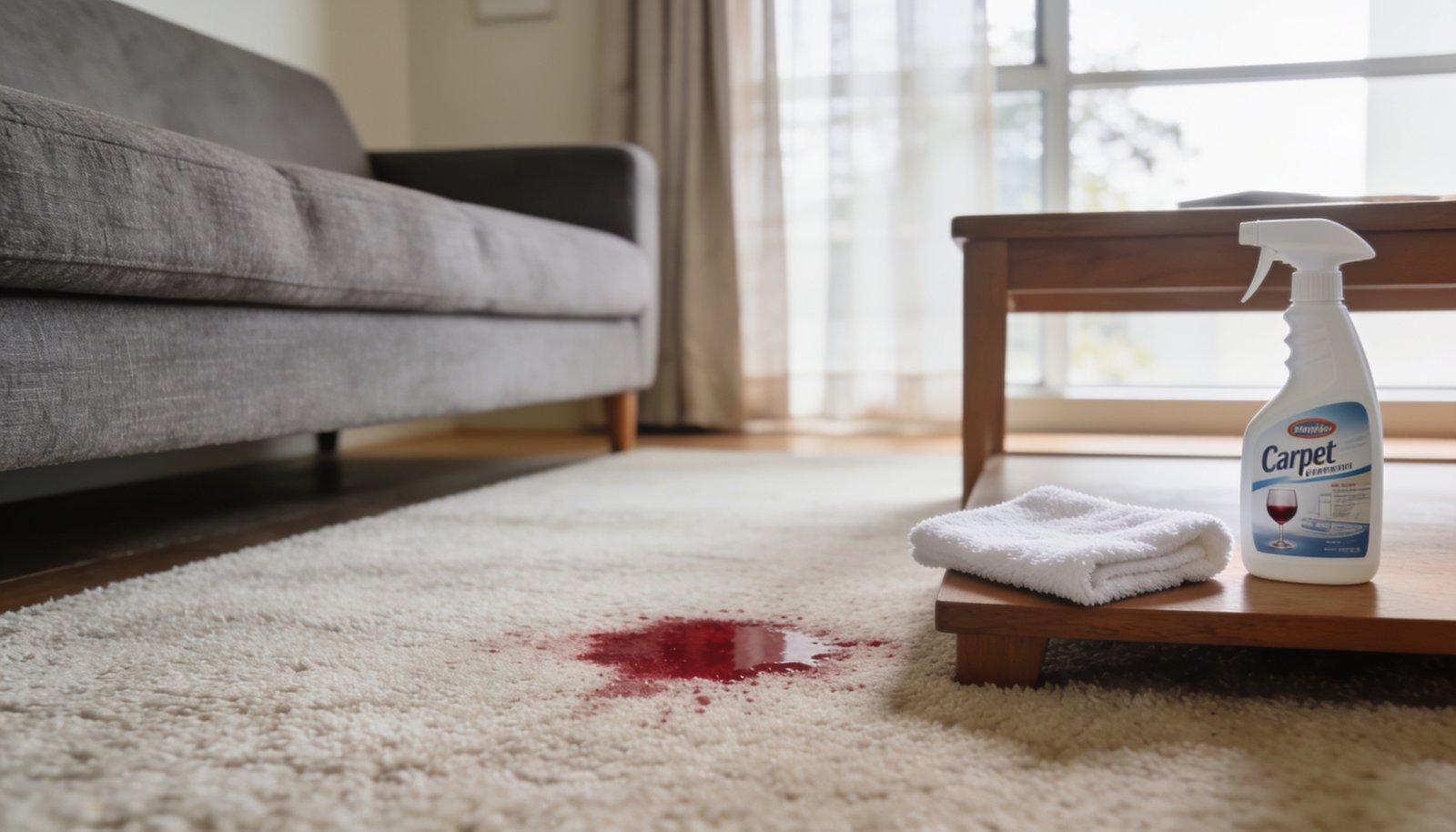
A spill of red wine on a carpet can be distressing and the sooner it is tackled the better the chance of a clean result. The steps below are straightforward and use items you likely already have at home. Following them carefully will minimise the stain and any lingering odour.
Act Quickly
The first thing to do is to blot the spill rather than rub it. Use a clean, dry cloth or paper towel to press down on the stain, lifting as much liquid as possible. Avoid spreading the wine further into the carpet fibres.
Once the bulk of the liquid is removed, the next step is to dampen the area slightly. A small amount of cold water helps to dilute any remaining wine. Pat the spot again to lift more of the stain.
Repeat blotting until the cloth no longer shows red colour. This reduces the concentration of tannins and colourants in the fibres.
A damp cloth also prepares the carpet for the cleaning solution that follows.
Keep the area well ventilated to aid drying.
If the stain is deep, you may need to repeat the blotting several times.
Doing so before the stain sets makes removal easier.
Never use hot water, as it can set the colour.
Cold or lukewarm water is safest for the fibres.
Once the area feels damp, you can move on to the next step.
The sooner you act, the better the outcome.
Delaying increases the chance of a permanent mark.
So, begin now and keep the cloth ready.
Your carpet will thank you.
A quick response is key to success.
- Blot the spill with a dry cloth.
- Apply a small amount of cold water.
- Pat the area to lift more stain.
- Repeat until the cloth is clear.
Choose a Mild Cleaner
A gentle, pH-neutral cleaner is ideal for carpet fibres. It should be free of harsh chemicals that could damage the texture.
Mix a small quantity of the cleaner with cold water in a spray bottle. This creates a light solution that is easy to apply.
Test the solution on a hidden patch of carpet first. Ensure it does not alter the colour or feel of the fibres.
If the test area looks normal, you can proceed with confidence.
The cleaner should lift the remaining wine without leaving residue.
Avoid using detergent directly on the carpet, as it can attract dirt.
A mild cleaner keeps the carpet clean for longer.
Apply the solution to the stained area with a spray bottle.
Hold the bottle at a comfortable distance to avoid oversaturation.
Spray lightly, covering the stain but not soaking the carpet.
Let the cleaner sit for a minute to break down the wine.
This pause allows the solution to penetrate the fibres.
After the wait, blot again with a clean cloth.
Repeat until the stain fades.
The process should take only a few minutes.
You will see the colour lighten noticeably.
- Use a mild, pH-neutral cleaner.
- Mix with cold water.
- Test on a hidden area.
- Apply lightly with a spray bottle.
Rinse and Dry
Once the stain has faded, rinse the area with a clean cloth dampened in plain water. This removes any leftover cleaner from the fibres.
Blot the carpet again to lift the water. Keep the area dry to prevent mould growth.
If the carpet feels damp, place a fan nearby to speed up drying.
Avoid walking on the spot until it is fully dry.
A dry surface helps the carpet retain its shape.
If the stain still shows faint traces, repeat the mild cleaner step.
Sometimes a second pass is all that is needed.
Do not use a wet mop, as it can spread the stain.
Patience during drying is important.
The carpet will look cleaner once it is dry.
A well-dried area reduces the chance of odour.
Drying also helps the fibres recover their normal feel.
Keep the room ventilated during this time.
This ensures any residual moisture evaporates.
After drying, the carpet should look nearly as it did before.
You have successfully removed the stain.
- Rinse with plain water.
- Blot to lift moisture.
- Use a fan to dry.
- Repeat if necessary.
Use a Vinegar Solution for Stubborn Stains
If the wine stain persists, a vinegar solution can help. Mix a small amount of vinegar with cold water in a spray bottle.
Apply the mixture to the affected area. Let it sit for a short time, about a minute.
Blot the spot with a clean cloth. The acidity of vinegar helps to break down the tannins.
Repeat until the colour no longer appears on the cloth.
Vinegar is safe for most carpet types when used sparingly.
Avoid over-application, which can leave a sour smell.
If the scent is noticeable, rinse with water and blot again.
The carpet should return to its normal look.
This method is effective for deep-seated stains.
It works by loosening the pigment from the fibres.
The process is quick and requires minimal effort.
After the stain fades, dry the area fully.
A well-dried carpet prevents mould.
You can now enjoy a clean floor.
This technique is a reliable backup.
- Mix vinegar with cold water.
- Apply and let sit briefly.
- Blot until colour lifts.
- Rinse if scent remains.
Treat Residual Odour
Sometimes a stain leaves a lingering odour even after the colour is gone.
To neutralise the smell, sprinkle a small amount of baking soda over the dry area.
Let it sit for a few hours to absorb any remaining scent.
Vacuum the baking soda thoroughly.
The carpet should now smell fresh and clean.
If the odour persists, repeat the baking soda treatment.
Ensure the carpet is completely dry before vacuuming.
Dryness is essential for effective odour absorption.
The process is simple and inexpensive.
It works well for most household carpet types.
This step completes the cleaning routine.
You can now use the carpet normally.
A fresh scent enhances the living space.
No harsh chemicals are required.
The carpet remains safe for pets and children.
The method is environmentally friendly.
- Sprinkle baking soda.
- Let sit for hours.
- Repeat if needed.
When to Call a Professional
If the stain is large or deeply set, the home methods may not suffice.
In such cases, a professional cleaner can offer specialised treatments.
They have equipment that can deep clean the fibres.
Professional services also use solutions that are safe for the carpet.
If you are uncertain about the carpet type, a professional can advise.
They can assess whether the carpet can be salvaged.
Attempting a DIY approach on a delicate carpet may cause damage.
A professional can minimise the risk of harm.
If you have a high-value carpet, consider professional help.
Professional cleaning often extends the carpet’s life.
They can also remove any remaining odour.
A specialist can give you peace of mind.
If the stain remains after repeated attempts, call a professional.
They can offer a solution that works.
Professional help is a sensible choice in difficult situations.
It protects your investment in the carpet.
- Assess the size and depth of the stain.
- Consider carpet type and value.
- Seek professional cleaning if uncertain.
- Professional treatment extends carpet life.
Prevent Future Spills
Spill prevention is the best way to keep carpet clean.
Use a spill tray when serving wine in the living area.
Keep a towel handy for accidental drops.
Place a rug or runner in high-traffic spots.
These measures reduce the chance of a stain.
If a spill occurs, act quickly using the steps above.
Regular maintenance keeps the carpet looking fresh.
Vacuuming regularly removes dirt that can darken the fibres.
Clean up spills immediately to avoid set-in stains.
A tidy living space is easier to maintain.
Spill prevention saves time and effort.
It also keeps the carpet safe for pets and kids.
A small effort can prevent a big problem.
Implement these habits for long-term carpet care.
Your carpet will stay cleaner for longer.
Enjoy a fresh floor with minimal effort.
- Use a spill tray.
- Keep a towel nearby.
- Place rugs in high-traffic areas.
You now have a clear set of steps to remove red wine from carpet. Follow these practical methods to keep your floor looking its best.
Join The Discussion