
 by
by 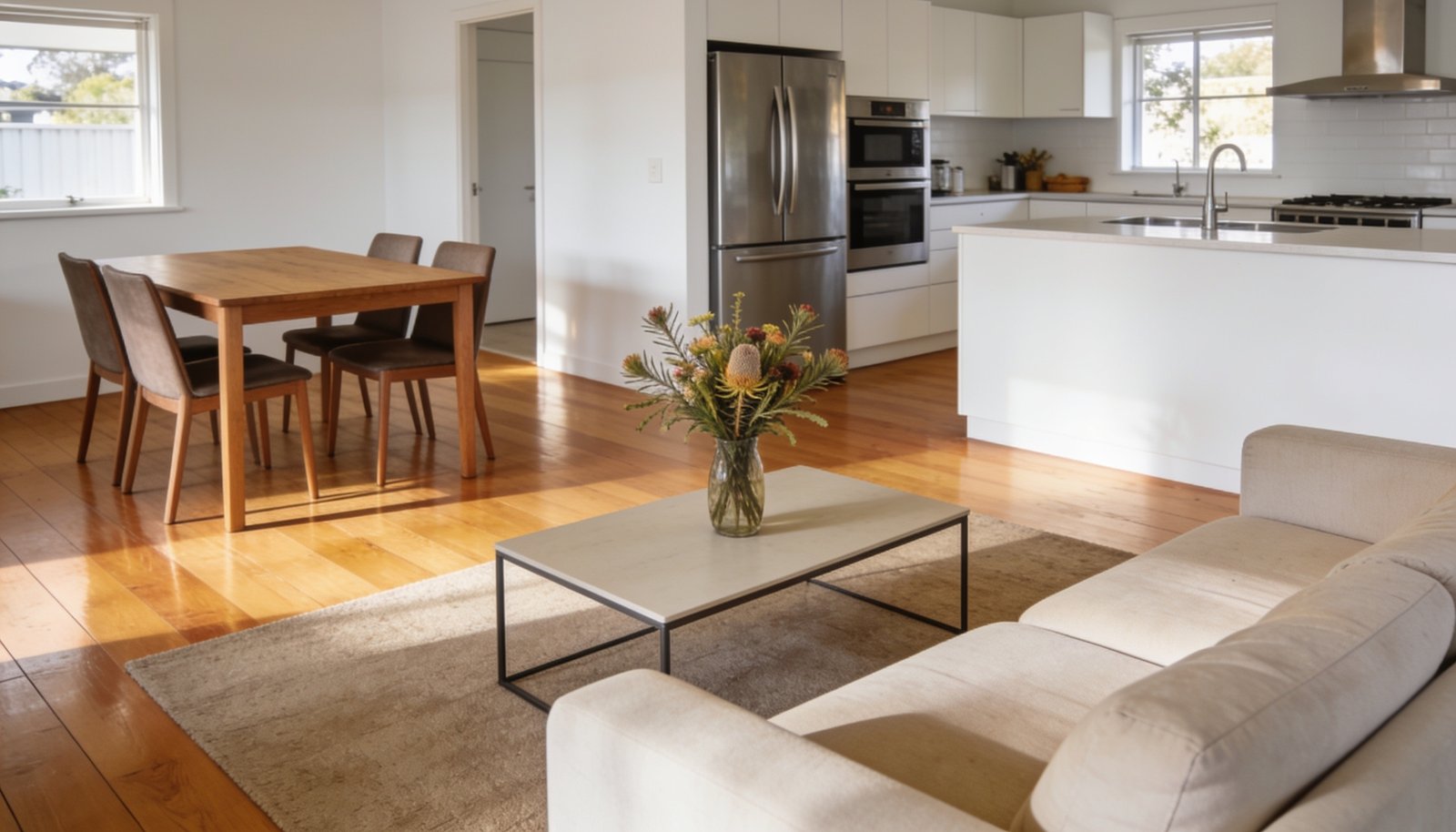
Lighting can transform a living room without the need for a ceiling rose or downlights. Layering lights gives depth and flexibility, allowing you to switch moods or highlight features easily. The following guide shows how to achieve this with simple, durable solutions.
Ambient Base
A soft, diffuse light creates a comfortable backdrop for everyday use. Using a large, low-profile lamp or a wall-sconce with a frosted shade spreads light evenly across the room. Place it opposite a main seating area to avoid harsh shadows and to keep the space inviting.
This base level ensures that no corner feels too dark or too bright. It also allows other lighting layers to stand out without competing. Choosing a warm tone helps the room feel cosy and reduces eye strain.
When selecting fixtures, look for those that can be switched on and off independently. This lets you dim the ambient light when you need a softer atmosphere. It also saves energy by using only the light you require at any moment.
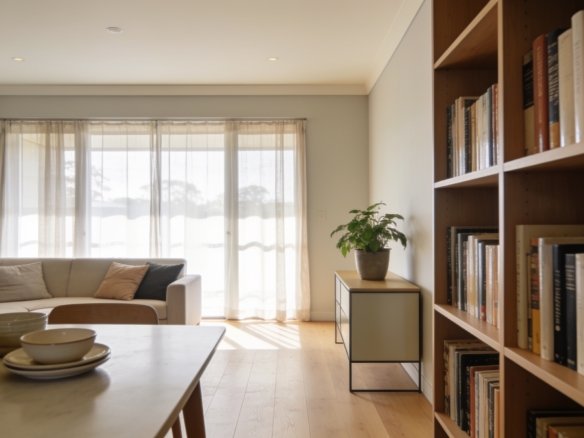
If the room has a large window, consider a sheer curtain to soften natural light. This maintains a gentle wash across the floor and walls. It pairs well with the ambient base to keep the space balanced.
Make sure the lamp or sconce is positioned safely, away from flammable materials. Use a stable base or secure mounting to prevent tipping. Check the fixture’s mounting instructions before installation.
A well-placed ambient light sets the tone for the rest of the layering.
- Choose a low-profile lamp.
- Use frosted shades.
- Position opposite seating.
- Select warm tones.
Task Lighting
Task lighting focuses on areas where you work or read. A floor lamp beside a reading chair or a table lamp on a side table provides focused illumination.
These fixtures should be adjustable, allowing you to direct light where it is needed most.
Using a lamp with a dimmer switch helps adapt the brightness to the activity.
Ensure the light does not glare on screens or reading surfaces.
Place the lamp so that the light falls at eye level, reducing strain.
Task lighting complements the ambient base without overpowering it.
- Select adjustable lamps.
- Position at eye level.
- Complement ambient base.
Accent Highlights
Accent lighting draws attention to specific features like artwork or architectural details.
Wall-sconces or picture lights are ideal for this purpose.
Mount them at eye level to illuminate the feature directly.
The light should be subtle, not harsh, to preserve the artwork’s colours.
Use a fixture with a small, focused beam to avoid spill onto surrounding walls.
Accent lights add depth and visual interest to the layered scheme.
Accent Spotlights
Spotlights provide a concentrated beam that can be aimed at a particular area.
If you have a fireplace or a decorative piece, a spotlight can highlight it effectively.
Adjustable fixtures allow you to change the angle as the room’s use changes.
Ensure the spotlight is dimmable to match the ambient light levels.
Position the spotlight so that it does not create harsh shadows on the floor.
Spotlights work well when combined with other layers to create a dynamic environment.
- Choose adjustable spotlights.
- Use dimmable switches.
- Avoid harsh shadows.
- Aim at key features.
- Combine with other layers.
Floor Lamps
Floor lamps are versatile and can be moved to suit the room’s layout.
They provide a warm, diffuse light that works well with the ambient base.
A lamp with a tall, slender base keeps the floor space open.
Use a lamp with a shade that diffuses light evenly across the room.
Floor lamps add a touch of style while remaining functional.
They can be positioned near seating areas or in corners to fill gaps.
- Select tall, slender bases.
- Use diffusing shades.
- Position near seating.
Table Lamps
Table lamps are ideal for side tables and coffee tables.
They offer focused light for reading or creating a cosy corner.
Choose a lamp with a shade that spreads light softly across the tabletop.
A dimmable switch allows you to adjust brightness for different occasions.
Table lamps complement both ambient and task lighting.
They also add a decorative element to the room.
- Use soft-spreading shades.
- Install dimmable switches.
- Position on side tables.
- Complement other layers.
Smart Controls
Using smart switches or dimmers can simplify the management of multiple lights.
They allow you to adjust brightness from a single point or remotely.
Set scenes that match the time of day or activity.
Smart controls can be added to existing fixtures without major changes.
They help maintain a consistent mood across the layered lighting scheme.
- Install smart switches.
- Adjust brightness remotely.
- Add to existing fixtures.
Layering lights in a living room without a ceiling rose or downlights is straightforward when you use simple, durable fixtures. By combining ambient, task, accent and smart controls, you create a flexible, inviting space that adapts to any activity.
Join The Discussion