
 by
by 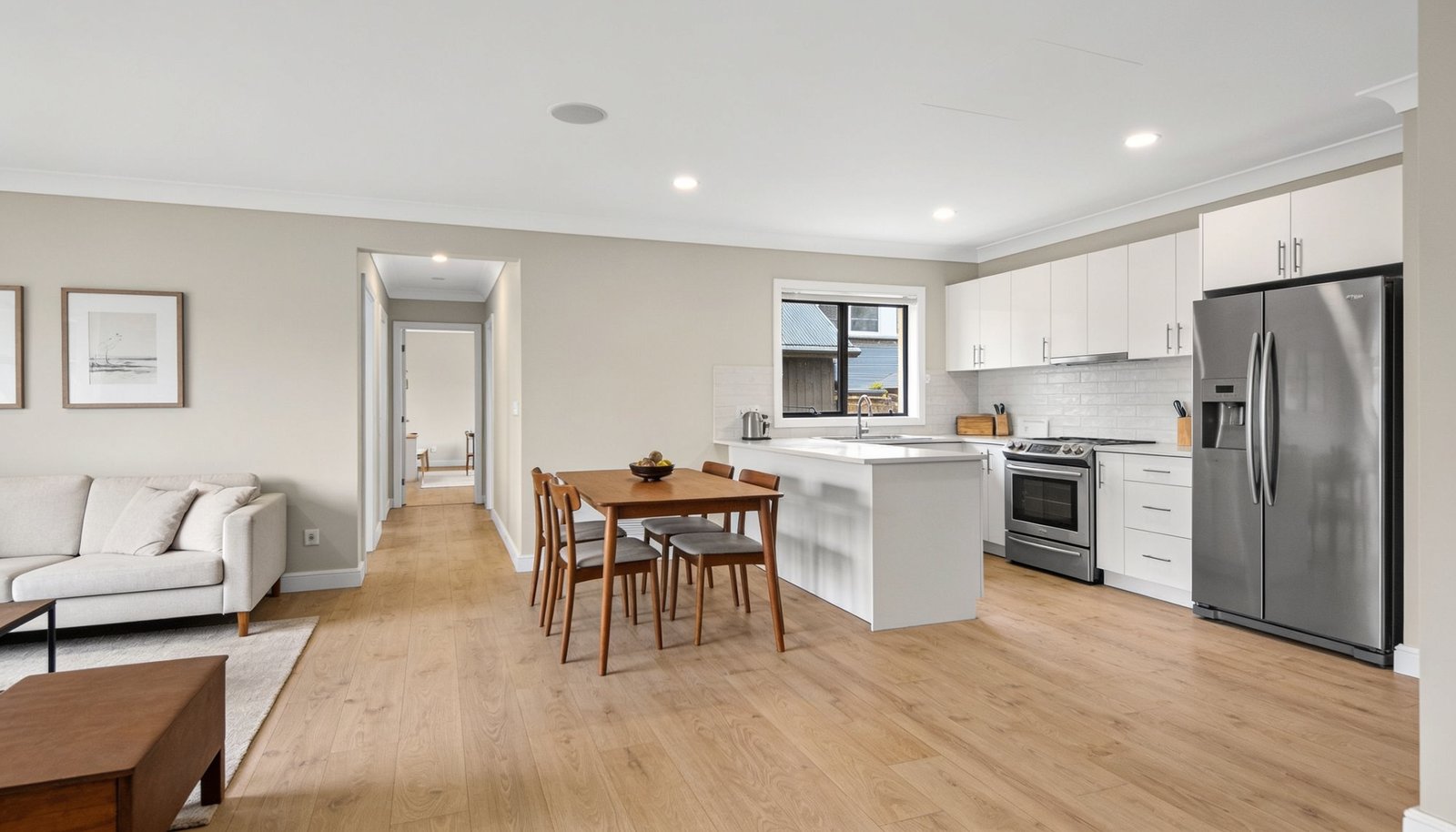
When new furniture arrives in a home that already has inherited or secondhand items, the first impulse is to match everything perfectly. A good mix can actually add character and depth to a room, provided the pieces are chosen with intention. The following guide shows how to blend styles, colours and textures without making the space feel disjointed.
Choose a Common Colour Anchor
Select one or two hues that appear in both the new and older pieces. These tones will act as a unifying thread throughout the room. They should be subtle enough to allow each item to stand out but strong enough to tie them together.
Look for natural shades like muted green, soft blue or warm beige. These colours are versatile and work well with a range of furniture styles. They also lend a calm, cohesive atmosphere to the space.
Apply the chosen colours to accessories such as cushions, throws or a small rug. These accents can be swapped out easily if you wish to refresh the look later on. They provide a visual bridge between the different pieces.
Keep the palette limited to avoid visual clutter. A restrained colour scheme helps the eye focus on the furniture rather than competing patterns. It also makes future updates simpler.
- Select one or two hues.
- Look for natural shades.
- Apply the colours to accessories.
- Keep the palette limited.
Match Scale and Proportion
Even if styles differ, the size of each piece should feel balanced within the room. Large items should be paired with smaller ones to avoid overcrowding. This harmony ensures the space feels comfortable and well-planned.
Measure the room’s width and height before placing new furniture. Position the larger items against a wall or in the centre, then arrange smaller pieces around them. This creates a clear visual hierarchy that guides the eye.
Avoid placing a small chair beside a bulky sofa. If the contrast is too stark, the arrangement will feel unsteady. Choose a middle ground that respects both pieces’ dimensions.
Use furniture with similar leg heights to maintain a consistent floor line. This subtle detail prevents the space from feeling uneven or mismatched. It also supports a smooth flow when moving through the room.
- Measure the room’s width and height.
- Position larger items first.
- Avoid stark size contrasts.
- Use similar leg heights.
Blend Materials Thoughtfully
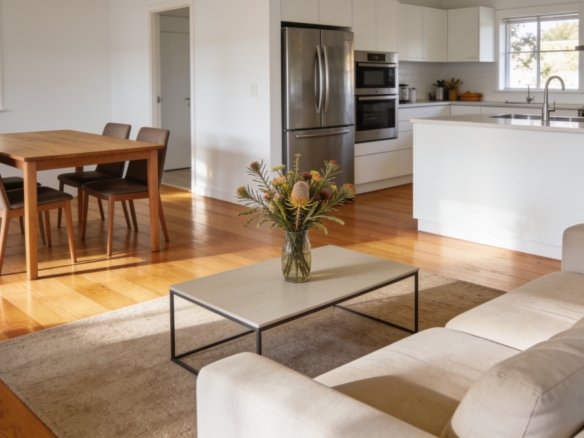
Wood, metal, fabric and glass can coexist if their textures are considered. Pair a wooden table with a metal chair to create visual interest without conflict. The key is to ensure that no material dominates the others.
If a new piece is sleek and modern, balance it with a more rustic or worn item. The contrast in finish can add depth while keeping the room grounded. It also prevents the modern piece from feeling out of place.
Use a consistent material for key items like a sofa and a coffee table. This repetition anchors the space and makes the mix feel intentional. It also simplifies the styling of accessories.
When in doubt, choose a neutral material for the dominant piece. Neutral surfaces can accommodate a wide range of colours and styles. They act as a blank canvas for future changes.
- Pair contrasting textures.
- Balance sleek with rustic.
- Use consistent material for key items.
- Choose neutral for dominant piece.
Create Visual Anchors with Patterns
Patterns should be used sparingly to avoid visual noise. A single patterned rug or a set of cushions can tie the room together. Choose patterns that echo the colour palette rather than clash.
If the inherited piece has a bold pattern, let the new furniture remain simple. This keeps the focus on the pattern without overwhelming the space. It also allows the pattern to become a focal point.
Use patterns that repeat in other elements like curtains or a wall hanging. Repetition of a motif reinforces cohesion across the room. It creates a subtle rhythm that guides the eye.
Avoid mixing too many different patterns in the same area. When patterns clash, the room feels chaotic rather than eclectic. Simplicity in pattern choice keeps the look polished.
- Use patterns sparingly.
- Let bold patterns stand alone.
- Repeat motifs elsewhere.
- Avoid too many patterns.
Layer with Textiles and Accessories
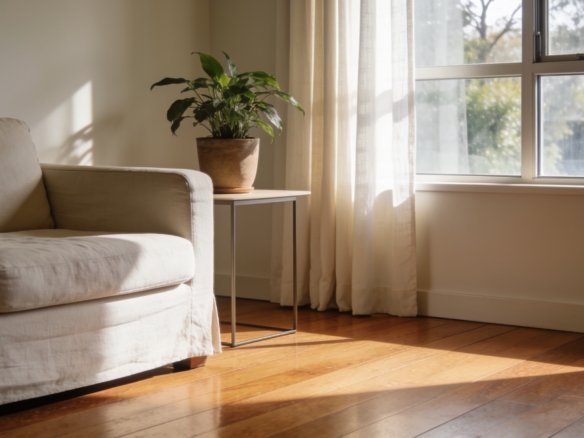
Soft textiles such as throws, cushions and curtains add warmth to a mix of styles. Choose fabrics that share the colour anchor and have complementary textures. They soften hard edges and create a welcoming atmosphere.
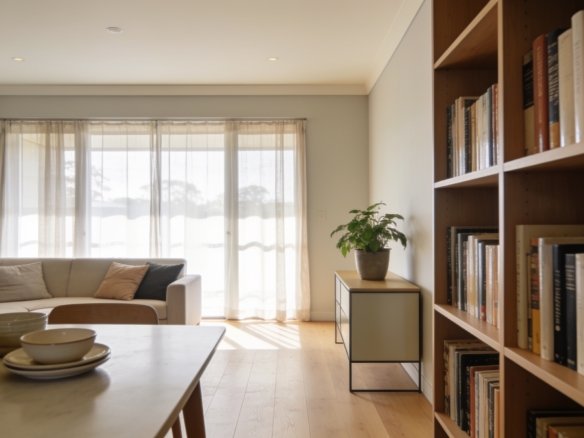
Add a small plant or a decorative bowl to introduce natural elements. These items bring life to the space and act as neutral fillers between furniture pieces. They also provide a subtle point of focus.
Use a single decorative object on a sideboard or shelf to tie the room together. The object should reflect the chosen colour scheme and be proportionate to the surrounding pieces. It signals intentional design rather than random placement.
Rotate accessories periodically to refresh the look without major changes. This keeps the room feeling lively and prevents the mix from feeling static. It also allows experimentation with new textures.
- Choose complementary fabrics.
- Add natural elements.
- Use a single decorative object.
Ensure Lighting Cohesion
Lighting fixtures set the tone for the room’s style. Choose a lamp or chandelier that complements both new and inherited pieces. Its design should be neither too ornate nor too plain.
Place a light source near a key piece to highlight its features. This draws attention to the furniture’s form and detail. It also creates a focal point for the room.
Use dimmable lights to adjust the ambience for different occasions. Lowering the light can soften the contrast between styles. It also helps maintain a relaxed atmosphere.
Keep the lighting consistent throughout the space to avoid visual disjointedness. Different light temperatures can make the room feel fragmented.
- Choose a complementary fixture.
- Highlight key pieces.
- Use dimmable lights.
- Keep lighting consistent.
By following these practical steps, new furniture can coexist with inherited or secondhand pieces in a way that feels natural and intentional. A thoughtfully curated room invites comfort and showcases the unique blend of styles.
Join The Discussion