
 by
by 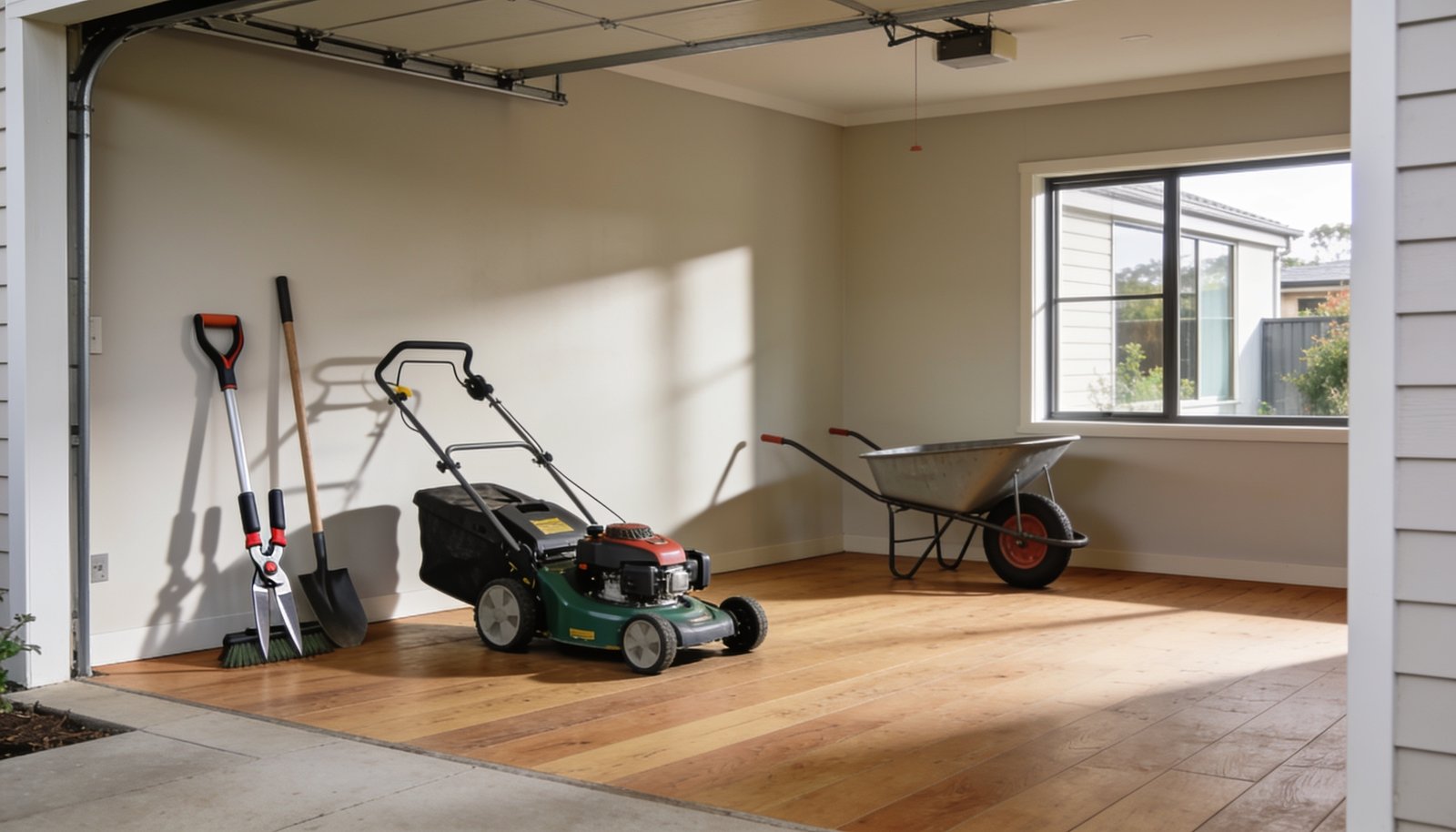
Moving garden equipment between properties involves more than just packing items into boxes. Preparing lawnmowers, power tools, and hand implements requires careful attention to biosecurity regulations, transport safety rules, and mechanical protection. Whether you are relocating across town or across state borders, taking the time to mechanically prepare tools, remove organic matter, and isolate batteries ensures a smooth transit process. Following the correct preparation procedures prevents transport damage, keeps removal crews safe, and ensures your gear arrives in proper working order.
Biosecurity and Scrubbing Equipment
Under Australian interstate quarantine rules, soil, mud, and organic material attached to garden equipment can harbour invasive pests. Lawn mowers, hand tools, spade heads, and garden pots must be thoroughly scrubbed and cleaned prior to interstate transit. Soil removal is a mandatory biosecurity requirement across Australia. Scrub all caked mud from mower decks, brush out trapped grass clippings, and wash down garden pots before loading them for transit.
Fuel Safety and Removalist Regulations
Professional removalists in Australia strictly prohibit the transport of fuel and other dangerous goods. Note that petrol-powered tools and LPG cylinders are considered dangerous goods by removalists. To comply with removalist rules and safety regulations, all petrol-powered equipment must have its fuel tank and carburetor fully drained before loading. Leaving petrol in a mower, trimmer, or chainsaw creates serious fire risks in enclosed transport vehicles. Removing fuel completely protects both your equipment carburetors and the removalist vehicle from hazardous vapors.
LPG cylinders, often used for garden weed burners or outdoor heaters, cannot be transported in enclosed removalist trucks. Instead, LPG cylinders must be disconnected, completely empty, and transported upright in a well-ventilated personal vehicle.
Mechanical Care: Oil Reservoirs and Water Systems
Power garden equipment requires careful mechanical preparation to avoid leaks or mechanical failure during transit. Oil reservoirs in power garden equipment should be emptied or tightly sealed according to manufacturer instructions. This prevents liquid leakage and reduces fire risks inside hot transit vehicles. Always consult manufacturer instructions for oil reservoir handling before moving engine-driven tools. If you are unsure about the mechanical handling of specialized or high-value power equipment, consult a licensed mechanic.
Equipment that uses water also requires preparation before transport. Pressure washers and irrigation pumps must be fully drained of trapped water. Draining all remaining water prevents internal corrosion during storage and stops leaks that could damage surrounding cargo in the transit vehicle.
Battery Protection and Blade Coverings
Cordless garden tools demand specific care regarding their energy sources and cutting edges. Lithium-ion batteries for garden tools should be removed from the tool prior to packing. Ensure the battery terminals are protected, and store the batteries in a cool, insulated container kept out of direct sunlight.
Sharp edges must also be secured to prevent injury and gear damage. Chainsaw, hedge trimmer, and lawnmower blades should be protected with scabbards or wrapped securely in heavy card or moving blankets. Covering sharp edges protects removalists during loading and keeps cutting components from being nicked or dulled.
Planting and Regional Considerations
If your move involves transporting living garden plants or edibles alongside your tools, keep regional climate variations in mind. Australian planting times and varieties differ by region, from tropical to cool temperate zones. If moving plants intended for consumption, ensure correct identification and safe handling practices to maintain food safety and plant health throughout the move.



Join The Discussion