
 by
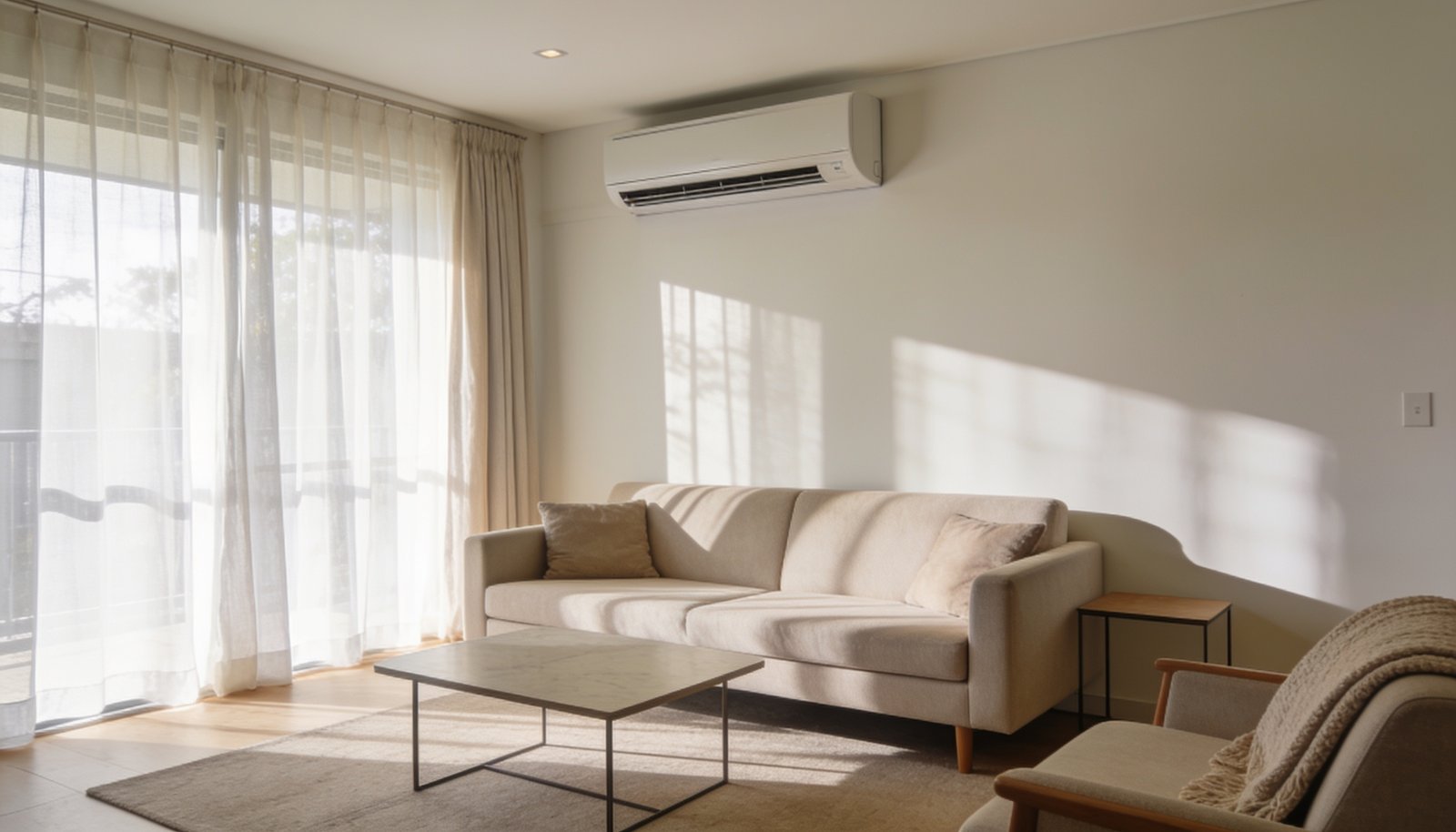
A home air conditioner can consume a lot of electricity during hot days. Reducing its use can lower bills and help the environment. The following tips are simple and practical for most households.
Check the Thermostat Settings
Set the thermostat to a comfortable but not extreme temperature. A higher set point uses less power while still keeping the house cool. Adjusting it gradually can help you find a balance.
Re-set the thermostat after a long break to avoid over-cooling. Use a programmable setting if available to shift cooling later in the day. This helps match cooling demand with actual use.
Keep the thermostat away from direct sunlight or heat sources. Avoid placing it near windows or vents that can distort readings. A clear reading ensures the unit runs efficiently.
Use a digital display for easy reading. Maintain the unit in the evening.
Clean the Air Filter Regularly
A dirty filter forces the unit to work harder to pull air through. Check the filter every few weeks and clean or replace it as needed. This simple step improves airflow and reduces energy use.
Wash a reusable filter with mild soap and water. Dry it thoroughly before reinserting to avoid mould growth. Reusing filters can cut down on waste and cost.
Inspect the filter for visible debris before each use. If it appears clogged, replace it immediately. Clear airflow keeps the compressor efficient.
Use Ceiling Fans to Complement Cooling
Ceiling fans circulate air and create a wind-chill effect. Running a fan with the air conditioner allows a higher thermostat setting. This combination uses less power than cooling alone.
Turn the fan on when the unit is running to maintain comfort. If the fan runs after the AC shuts off, it can keep the room cool longer. Fans are inexpensive and safe to operate.
Check that fan blades are balanced and free of dust. A wobbling fan can cause vibration and extra energy use. Regular maintenance keeps it efficient.
Close Doors and Windows While Cooling
Heat and hot air can escape through open doors and windows. Close all entry points to keep cool air inside. This reduces the load on the air conditioner.
Use draft excluders on doors that open often. Seal gaps around windows with weather stripping if possible. Keeping the unit sealed helps it run longer.
If you need fresh air, use a window vent or a small fan instead. This limits the amount of warm air entering the space. It also saves on energy compared to running the AC full time.
Shade the Unit and Provide Ventilation
Direct sunlight heats the unit and its surroundings. Place a shade or a light-coloured awning over the outdoor unit. This keeps the compressor cooler and improves efficiency.
Ensure the area around the unit is clear of debris and vegetation. Adequate clearance allows air to circulate freely. A blocked unit can overheat and consume more power.
Check that the unit is level and stable. An unlevel unit can cause vibration and reduce performance. Leveling is simple with a spirit level.
Use Timers and Switches Wisely
Avoid running the air conditioner when it is not needed. Use a timer to turn it off during times when the house is empty. This prevents unnecessary energy use.
Switch the unit off when you leave the house for a long period. If you need a quick cool down, use a fan instead of the AC. Fans consume far less electricity.
Check that the timer is set correctly to avoid accidental over-run. If the unit has a manual switch, keep it in the off position when not in use. This simple habit saves power.
Use fan for short cool down.
Maintain the Unit with Professional Service
Regular servicing keeps the unit running at peak efficiency. A professional can clean coils and check refrigerant levels safely.
Schedule maintenance at least once a year before the hot season. If you notice unusual noise or reduced cooling, contact a licensed technician. Safety and performance depend on proper handling.
Check that the service includes inspection of electrical connections. Loose connections can increase resistance and energy use. Secure connections help maintain efficiency.
- Schedule yearly service.
- Check electrical connections.
- Contact licensed technician.
By following these practical steps, you can keep your home comfortable while using less energy. Small changes in habits and maintenance can lead to noticeable savings over time.

Join The Discussion