
 by
Stainless-steel appliances shine when cared for with simple habits. Regular cleaning prevents stubborn stains that can mar the finish. A few practical steps keep them looking new for years.
Initial Cleaning Routine
A quick wipe after each use removes food particles and oils that can leave marks. Using a soft cloth dampened with mild soap keeps the surface clean without scratching the finish. Drying immediately after wiping stops water spots from forming.
The same routine should be followed after washing dishes or preparing food. This prevents build-up of grease that can attract dirt and stains. Consistent effort saves time and effort in the long run.
A clean appliance is less likely to develop fingerprints that look dull. This also reduces the need for harsh chemicals later. A gentle approach maintains the appliance’s appearance.
The cloth should be rinsed regularly to avoid spreading grime. Avoid using abrasive pads that can leave scratches or dull the surface. Choose a material that feels smooth against metal.
- Use a soft, lint-free cloth.
- Apply a mild soap solution.
- Dry with a clean towel.
Subsequent Maintenance Tips
After initial cleaning, a light coat of a specialised stainless-steel polish can enhance shine. Apply the polish in the direction of the grain to avoid streaks. Let it sit briefly before buffing to a clear finish.
Regular polishing reduces the visibility of light scratches and fingerprints. It also creates a protective layer that repels water and food particles. The polish should be applied sparingly to avoid residue.
When polishing, use a clean, dry cloth to avoid spreading product unevenly. Check the surface for any remaining spots before wiping away excess. A smooth finish is easier to maintain.
If a polish is unavailable, a small amount of olive oil on a soft cloth can provide a temporary shine. Apply in short bursts and buff to a dull finish. This method is simple and requires no specialised products.
- Apply polish along the grain.
- Let it sit briefly.
- Buff with a dry cloth.
- Check for residue.
Later Care for Kitchen Areas
The kitchen is a high-traffic area where food spills are common. Wipe any spills immediately to prevent staining. Use a damp cloth rather than a stiff sponge to avoid scratching.
Avoid placing hot pots directly on the surface; use trivets or heat-resistant mats instead. Heat can cause the metal to discolor if left unattended. These small precautions keep the finish bright.
Keep the area around the appliance clear of clutter to allow easy access for cleaning tools. A tidy workspace reduces the chance of accidental scratches or dents. It also makes routine cleaning more efficient.
When handling knives or sharp utensils, place them on a cutting board rather than the appliance surface. This prevents accidental cuts that could damage the finish.
- Wipe spills promptly.
- Use heat-resistant mats.
- Keep workspace tidy.
- Use cutting boards.
Initial Prevention of Stain Formation
Stains often form when acidic foods such as citrus or tomato juice sit on the surface. Cover the appliance with a towel or cloth when preparing these foods. This simple step prevents direct contact with the metal.
When washing dishes, avoid letting acidic liquids sit on the appliance for long periods. Move dishes to a sink or basin promptly after use. This reduces the chance of staining.
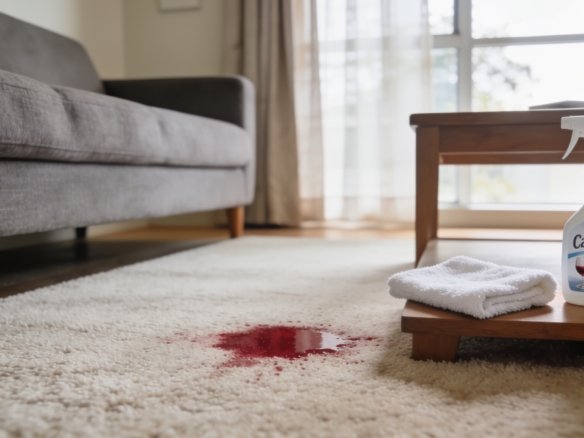
If a spill occurs, blot rather than scrub to avoid spreading the stain. Use a gentle, circular motion to lift the residue. This keeps the surface smooth.
For stubborn stains, a paste of baking soda and water can be applied lightly. Let it sit for a short time before wiping away with a damp cloth. This method is safe for the finish.
- Cover during food prep.
- Move dishes promptly.
- Blot spills gently.
- Use baking soda paste.
Subsequent Cleaning Tools and Materials
Choosing the right tools is essential for maintaining stainless-steel appliances. Soft cotton or microfiber cloths are ideal for daily cleaning. Avoid rough or abrasive fabrics that can damage the surface.
For deeper cleaning, a non-abrasive sponge can be used sparingly. Ensure it is rinsed thoroughly to remove any residue before use. This prevents scratches from trapped particles.
When using cleaning solutions, mix them with water to dilute strength. Apply with a soft cloth and wipe in a single direction. This avoids streaks and ensures even coverage.
After cleaning, dry the surface with a separate, dry cloth to remove any moisture. This step prevents water spots from forming. It also gives the appliance a polished look.
- Use soft cotton or microfiber cloths.
- Employ non-abrasive sponges sparingly.
- Dilute cleaning solutions.
- Dry with a separate cloth.
Later Handling of Appliances
Moving appliances can expose them to scratches and dents. Use a padded mat or a protective cover during relocation. This protects the finish from accidental impacts.
When placing appliances on a surface, ensure the base is level and stable. Uneven surfaces can cause stress that leads to cracks or dents over time. A stable base preserves the appliance’s integrity.
If the appliance is in a unit with a shared hallway, avoid leaning it against walls or other fixtures. This reduces the risk of accidental bumps or scratches. A clear pathway keeps the surface safe.
When transporting appliances, secure them with straps or a blanket to prevent movement. This keeps the appliance in place and protects the finish during transit.
- Use padded mats.
- Ensure level placement.
- Avoid leaning against walls.
- Secure during transport.
Maintaining stainless-steel appliances is a matter of routine and gentle care. With these practical steps, they remain bright and free of stains for many years.
Join The Discussion