
 by
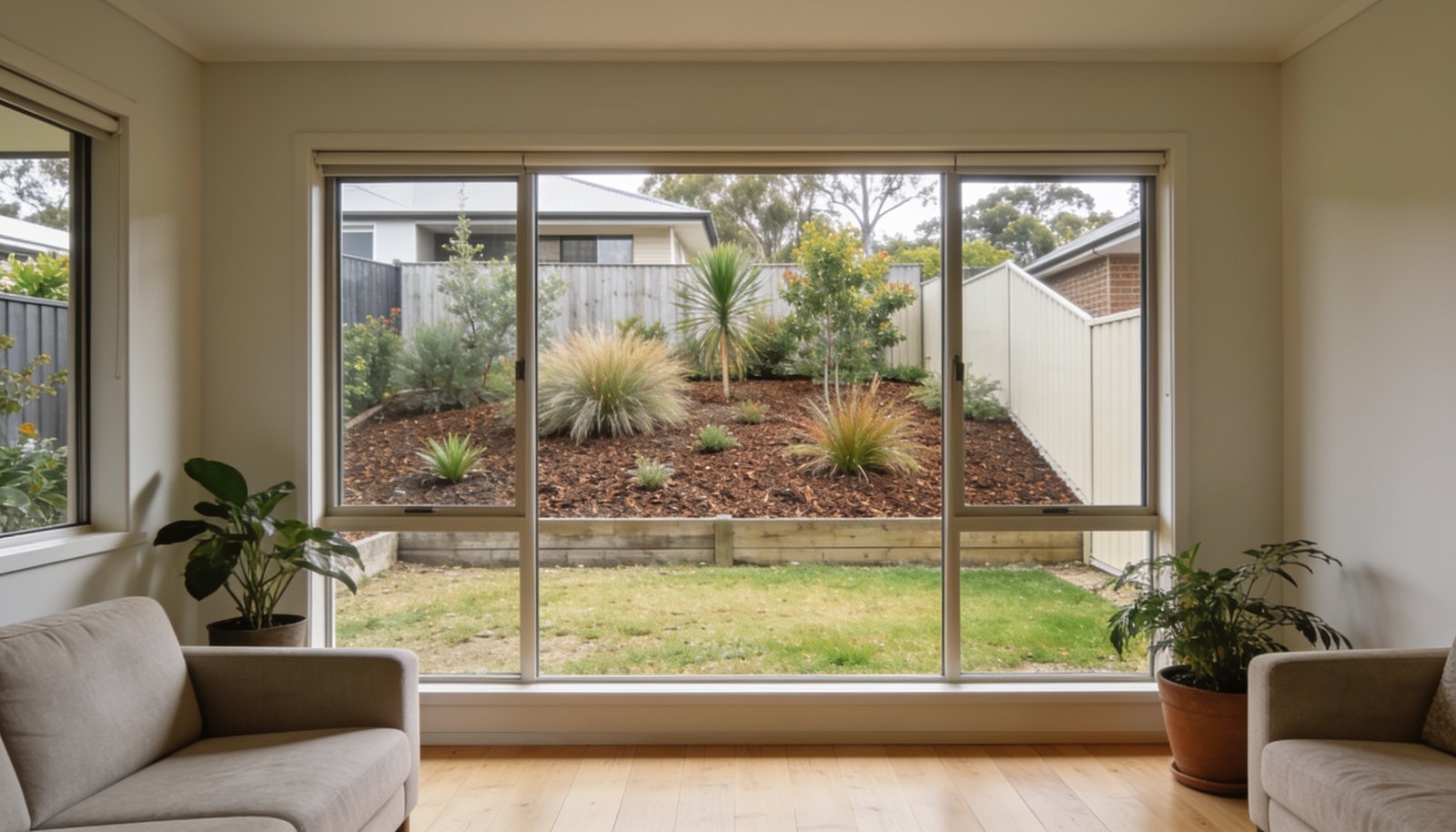
A low-maintenance garden keeps the backyard a pleasant space without demanding endless work. Choosing the right plants and layout can save time and effort while still providing visual interest. With a few simple strategies, a Queensland garden can stay tidy and attractive throughout the year.
Plant Selection
Opt for native species that are adapted to the local climate and soil conditions. These plants typically resist pests and require less watering than exotic varieties. They also support local wildlife, adding ecological value to the garden.
Group plants with similar watering needs together to avoid over-watering or drought stress. Use a mix of ground covers, shrubs, and small trees to create depth without extra maintenance. Keep the plant list manageable so pruning and replacement are straightforward.
Choose evergreen varieties that retain foliage through dry periods. Their persistent cover reduces the need for frequent mowing or weeding. They also provide a backdrop for seasonal flowers.
Consider drought-tolerant grasses that shed minimal leaf litter. These grasses need less fertilisation and mowing compared to traditional lawns. They add texture and movement to the garden.
- Select native species.
- Group by water needs.
- Use evergreen varieties.
- Choose drought-tolerant grasses.
Soil Preparation
Start with a soil test to determine pH and nutrient levels. Add organic matter such as compost or well-decomposed mulch to improve structure. This creates a healthy base for plant growth.
Lay a layer of coarse mulch over the soil surface. The mulch suppresses weeds and retains moisture, reducing the need for watering. It also moderates soil temperature during hot spells.
Ensure good drainage by incorporating sand or grit into heavy soils. Proper drainage prevents root rot and reduces maintenance of waterlogged beds. It also keeps the garden safe during heavy rain.
Use raised beds for areas with poor soil quality. Raised beds allow better control over soil composition and reduce foot traffic on the lawn.
- Add organic matter.
- Apply coarse mulch.
- Use raised beds.
Water Management
Install a drip irrigation system to deliver water directly to plant roots. This reduces evaporation and limits water waste compared to overhead sprinklers. It also keeps foliage dry, lowering the risk of fungal issues.
Use a rain barrel to collect runoff from the roof. The stored water can be used for irrigation during dry spells. It reduces reliance on the tap and saves water.
Schedule watering early in the morning or late in the evening. This timing minimises evaporation and keeps the garden cooler. It also allows plants to absorb water before the heat of day.
Place a moisture sensor in the soil to monitor dampness. The sensor can alert you when watering is needed, preventing over-watering.
- Use drip irrigation.
- Water at optimal times.
- Monitor soil moisture.
Mowing and Cutting
Set the mower height higher than usual to reduce cutting frequency. A higher cut keeps the grass longer, which shades the soil and reduces evaporation. It also gives the lawn a fuller appearance.
Use a mulching mower to shred leaves and grass clippings into fine particles. The mulch feeds the soil and reduces the need for manual removal. It also keeps the lawn tidy without extra trips to the rubbish bin.
Mow on a regular schedule, but adjust based on growth rate. During dry periods, reduce mowing to allow grass to develop deeper roots. This helps the lawn survive heat stress.
Keep the mower blades sharp to ensure clean cuts and reduce stress on the grass.
- Set higher mower height.
- Use mulching mower.
- Adjust mowing frequency.
- Maintain sharp blades.
Weed Control
Apply a thick layer of mulch around plants and in beds. The mulch blocks light and prevents weed seeds from germinating. It also retains soil moisture.
Use a hand-held weeder for stubborn weeds near plant roots. This method avoids disturbing the surrounding soil and reduces chemical use. It is safe for children and pets.
Remove weeds promptly before they set seed. Weed removal is easier when the weeds are small and fresh. Regular checks prevent a larger problem later.
Consider a protective ground cover for high-traffic areas. Ground covers suppress weeds and reduce the need for frequent weeding.
Pruning and Deadheading
Trim shrubs and trees to maintain shape and encourage healthy growth. Use clean, sharp tools to avoid damaging branches. Pruning also improves airflow, reducing disease risk.
Remove spent flowers promptly to encourage new blooms. Deadheading keeps plants looking tidy and extends the flowering period. It also prevents the spread of seed heads.
Check for dead or damaged branches and remove them safely. This reduces the risk of falling limbs and keeps the garden safe. Use a ladder or step stool if needed, and secure the area.
Schedule pruning during the cooler part of the day to avoid heat stress on plants.
- Trim for shape.
- Remove damaged branches.
- Prune in cooler hours.
Seasonal Maintenance
Clear fallen leaves and debris after heavy rains or storms. Leaves that sit on the lawn can smother grass and create damp spots. Regular clearing keeps the garden healthy.
Inspect plants for signs of pests or disease early in the season. Early detection makes treatment easier and limits spread. Use a magnifying glass if needed.
Reapply mulch to beds and around trees each season. This replenishes lost organic matter and keeps weeds at bay. It also adds a fresh look to the garden.
Rotate crops or plant new species when beds become less productive. This keeps soil nutrients balanced and reduces disease build-up.
A thoughtfully planned garden can remain beautiful with minimal effort. By following these practical steps, Queensland homeowners can enjoy a green space that works for them, not against them.


Join The Discussion