
 by
by 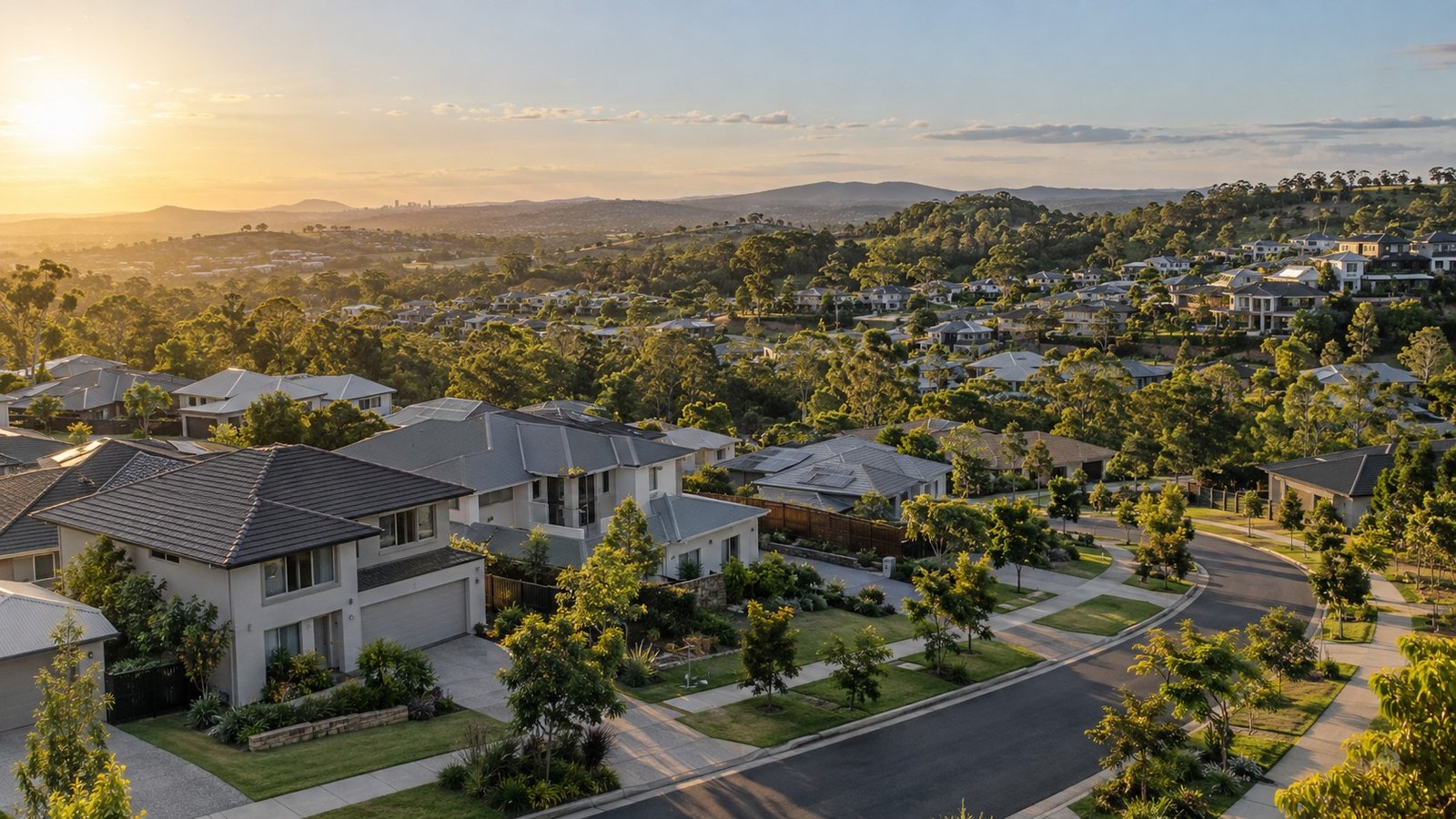
Understanding South Ripley in the City of Ipswich
South Ripley is an expanding residential growth corridor located within the City of Ipswich. Over recent years, the area has shifted from early-stage land releases into a structured, master-planned residential environment. For property buyers, investors, and analysts reviewing Queensland growth zones, South Ripley offers an instructive case study in how state-level planning frameworks guide suburban expansion.
The Role of the Ripley Valley Priority Development Area
Development across South Ripley is governed by the Ripley Valley Priority Development Area (PDA) framework. Declared to manage long-term urban growth within the City of Ipswich, the PDA structure ensures that residential expansion occurs alongside deliberate land-use strategies.
Through the PDA framework, municipal and state authorities coordinate land allocation, residential density, environmental corridors, and civic infrastructure. Rather than relying on piecemeal development, South Ripley is shaped by overriding guidelines that direct how neighborhoods link together, where commercial and recreational zones are situated, and how local transport corridors connect back to regional networks. For property researchers, understanding the PDA framework provides clarity on how land in the region is zoned and released over time.
Master-Planned Living in Providence
A central component of South Ripley’s residential footprint is Providence, a primary master-planned community situated within the suburb. Master-planned developments play a significant role in establishing the physical character and communal structure of new growth corridors.
Within Providence, land design prioritizes integrated neighborhood amenity. The community contains dedicated parks, play areas, and community hubs designed to serve local residents. These facilities act as social focal points, helping transform a developing housing estate into a connected local neighborhood. By embedding open green spaces, active recreational play areas, and central gathering hubs into the master plan from the outset, Providence provides a template for how social infrastructure is rolled out alongside residential home building.
Demographics and Housing Data Context
To evaluate the demographic composition and structural characteristics of South Ripley, property analysts reference baseline statistics from official government sources. The 2021 Australian Bureau of Statistics (ABS) Census provides baseline data covering the suburb’s population, median age, household incomes, and housing characteristics.
Analyzing these Census metrics allows buyers and researchers to understand the fundamental makeup of the local population, including household structures and housing stock types across South Ripley. When combined with ongoing market tracking, these statistical baselines help illustrate how the suburb’s demographic profile evolves as new stages of master-planned developments are completed.
Market data is sourced from realestate.com.au and may fluctuate. Prospective buyers and property researchers should check live listings and detailed ABS data releases to assess specific numerical trends, median pricing, and occupancy figures for South Ripley.
The Transition to an Established Community
The ongoing evolution of South Ripley highlights a broader trend in South East Queensland urban planning: the transition of designated growth corridors into established suburban communities.
In its early phases, a growth corridor primarily centers on civil construction, land subdivision, and initial infrastructure delivery. As residential density builds, the presence of active master-planned communities like Providence shifts the local dynamic. The opening of parks, play areas, and community hubs encourages daily community interaction, while the long-term oversight of the Ripley Valley PDA framework maintains clear standards for ongoing land development.
For property observers using intelligence platforms like Narevella, tracking South Ripley involves assessing how these planning layers interact. The combination of Ipswich City Council jurisdiction, state-level PDA oversight, structured community hubs, and baseline demographic data from the ABS Census creates a clear picture of a modern growth suburb moving toward maturity.
Join The Discussion