
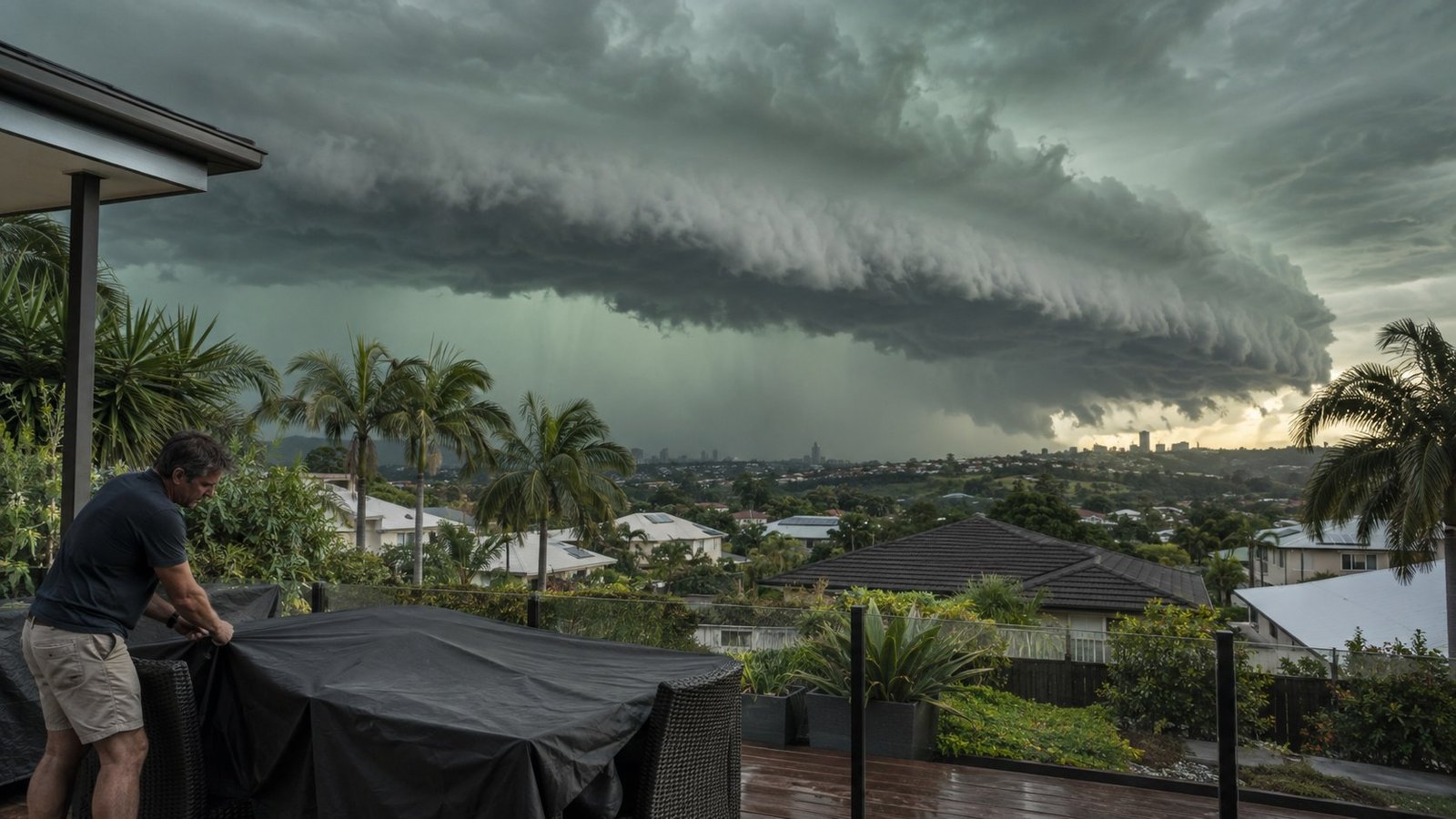
Queensland’s subtropical and tropical climate delivers warm weather year-round, but it also brings a distinct severe weather period. Knowing when hazards peak, how to maintain your property, and what your insurance policy covers can make a significant difference when extreme conditions hit.
The Official Storm and Cyclone Season
The Australian Bureau of Meteorology designates Australia’s tropical cyclone season from 1 November to 30 April each year. In Queensland, this official window covers the highest risk period for tropical cyclones and severe storm activity. However, property owners should remember that damaging severe storms can still happen outside these dates.
Across the state, severe weather presents several distinct hazards. These include tropical cyclones, storm surge, severe thunderstorms, destructive winds, large hail, and both riverine and flash flooding. Each hazard places different stresses on a property, from high wind loads on roof sheeting to rapid water ingress around gutters and foundations.
Practical Property Maintenance Before Storms Arrive
Regular physical upkeep remains the most practical way to protect your building and minimise structural damage.
Inspect roofs, gutters, and downpipes: Check your roof for loose, cracked, or missing tiles, as well as lifting metal sheets. Clear dry leaves, twigs, and built-up silt from gutters and downpipes so heavy rain can drain freely away from your home instead of backing up under the eaves.
Trim overhanging branches: Cut back tree limbs hanging close to your roofline, windows, or power connections. Strong winds can snap overgrown branches, turning them into heavy projectiles or dropping them directly onto structures.
Secure outdoor items: When severe weather warnings are issued, garden furniture, trampolines, children’s toys, and potted plants must be tied down, weighed down, or moved inside. If left loose in a yard, these everyday items can become dangerous flying debris.
Know your utility shutoffs: Every homeowner should know the location of their main switches and valves. Make sure you know how to safely turn off your mains electricity, solar power system, gas supply, and mains water if directed to do so by emergency authorities.
Understanding Your Insurance Policy and Excess Terms
Reviewing your building and contents insurance before storm season starts is just as critical as physical maintenance. It helps to understand several key terms that insurers use.
Your sum insured is the maximum dollar amount your insurer will pay to repair or rebuild your home and replace your contents if they are damaged or destroyed. It is important to confirm this amount matches current building and replacement costs.
An excess is the out-of-pocket amount you agree to pay towards any insurance claim before the insurer covers the remaining costs. Some policies apply a separate, higher excess specifically for cyclone or flood claims.
Do not assume that every policy covers every type of water damage. Standard home insurance policies often define riverine flood, flash flooding, and coastal storm surge differently. While some policies include these events automatically, others list them as optional extras or exclude them entirely.
Insurers also expect properties to be reasonably maintained. Many policies exclude damage caused by pre-existing wear and tear, such as long-neglected roof leaks or rusted guttering.
For cyclone-prone areas, the Australian Government operates the Cyclone Reinsurance Pool, administered by the Australian Reinsurance Pool Corporation. This pool covers eligible home, contents, and strata insurance policies against cyclone and cyclone-related flood damage. The coverage applies during the cyclone event itself and continues for up to 48 hours after the declared cyclone ends.
Where to Find Official Warnings and Emergency Help
During severe weather, reliable information is essential. Property owners should rely only on official warning channels rather than unverified online posts.
Track updates through the Bureau of Meteorology website and app, your local council disaster dashboard, and emergency alert SMS or voice broadcasts sent to mobile phones in affected areas. Local ABC radio stations broadcast emergency updates, and television and radio stations sound the Standard Emergency Warning Signal to alert listeners to urgent disaster warnings.
If your property suffers storm or flood damage that is not life-threatening, such as roof damage needing a tarp or urgent sandbagging, you can contact the Queensland State Emergency Service on 132 500. The SES is an emergency response volunteer organisation that assists during active disasters, not a routine property maintenance service.
For any life-threatening emergency, always call Triple Zero (000) immediately.
Where Narevella Can Help
If you want a clearer picture of where your own property currently stands, our free Check My Property tool can help. If you are researching a property you are considering buying, our Queensland Property Research Checklist covers the practical questions worth asking before you commit.
Disclaimer: This article provides general information only and does not take into account your individual financial situation, insurance needs, or property condition. Review your insurer’s Product Disclosure Statement and consult licensed professionals for specific maintenance or insurance advice.




Join The Discussion