
 by
by 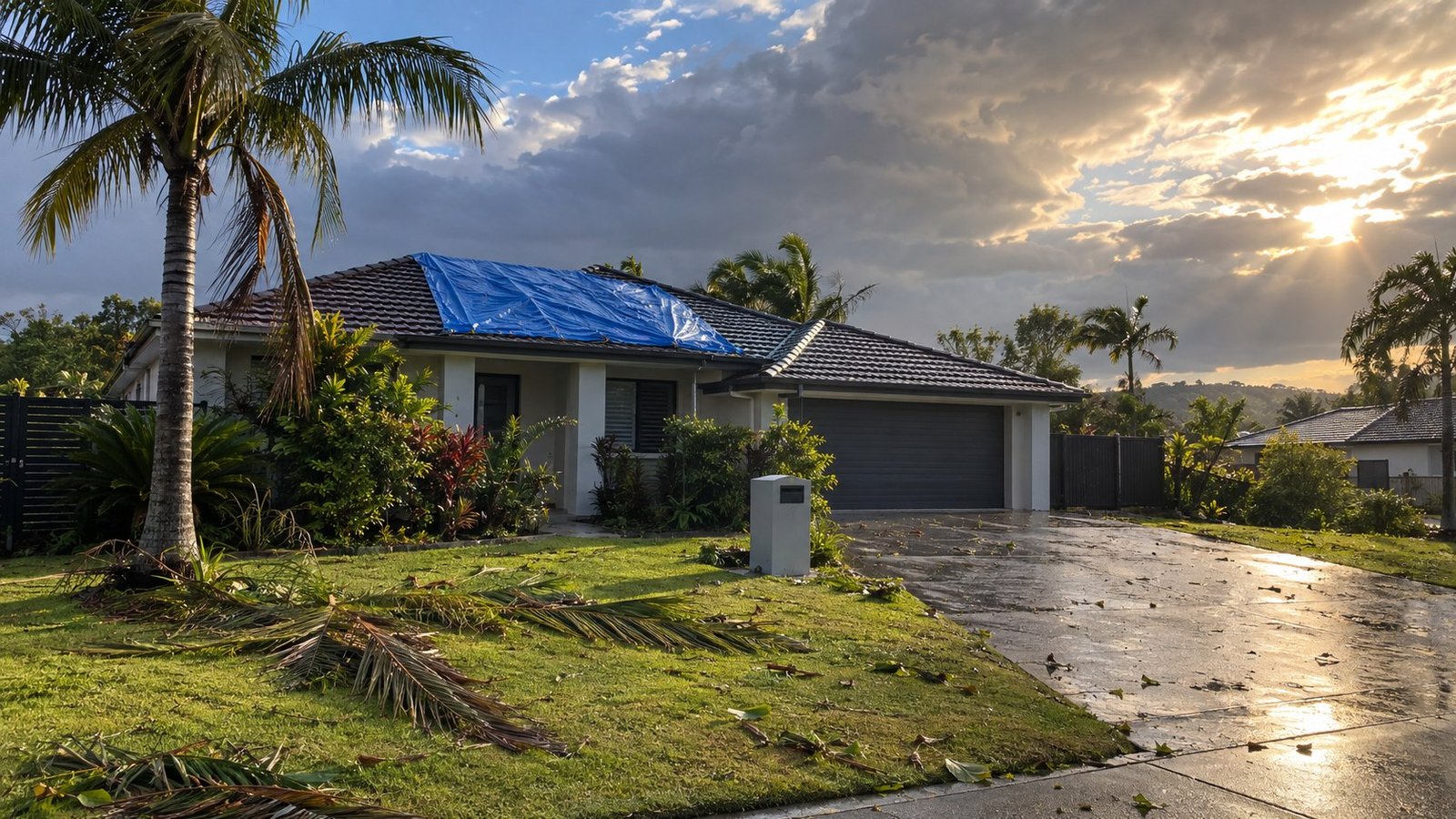
The period between signing a contract and settlement is often treated as a formality, but it carries real risk if something happens to the property in the meantime. This guide explains how risk generally works in Queensland, what the law provides if damage occurs, and what to do if it happens to you.
When Risk Passes to the Buyer
Under the standard REIQ Contract of Sale, clause 8.1 provides that unless otherwise agreed, risk in the property passes to the buyer at 5pm on the first business day after the contract date, well before settlement actually occurs. This surprises many buyers, who assume risk stays with the seller until they get the keys.
Why Insurance Timing Matters
Because risk can pass to the buyer so early, it is generally recommended that buyers arrange building insurance from the date the contract becomes binding, rather than waiting until settlement. It is also prudent for sellers to keep their own insurance in place until settlement, since a gap in cover on either side can leave real exposure if something goes wrong. See our guide to home and contents insurance in Queensland for general policy structures.
Storm, Flood, Fire and Accidental Damage
Damage between contract and settlement can come from a range of events, including storm and cyclone damage, flooding, fire, or an accident such as a burst pipe. See our guides to storm and cyclone season preparation and flood risk checks for background on these specific risks.
What the Property Law Act 2023 Provides
The Property Law Act 2023 (Qld) includes statutory provisions dealing with damage occurring before settlement. Where land is damaged before settlement, the Act provides for an abatement of the purchase price, adjusted at settlement. Separately, section 77 allows a buyer to rescind the contract if a residential dwelling is damaged or destroyed before settlement and becomes unfit for occupation as a result.
Why Contract Wording Matters
The standard risk clause is a default position, not a fixed rule. Buyers and sellers can negotiate different arrangements through special conditions, such as agreeing that risk stays with the seller until settlement, or that the seller must maintain insurance until then. Reading exactly what your specific contract says about risk, rather than assuming the standard position applies, is worth doing before you sign.
What Buyers Should Do If Damage Occurs
If damage happens after the contract date and before settlement, contact your insurer and your conveyancer or solicitor immediately. Do not assume the situation resolves itself under the standard contract terms, and do not make decisions about proceeding, delaying, or terminating without advice specific to your contract and the extent of the damage.
When Professional Involvement Is Needed
Any damage event between contract and settlement is a situation for your conveyancer or solicitor and your insurer, not something to navigate alone. Rights such as price abatement or rescission depend on the specific facts and contract wording, and getting this wrong can have significant financial consequences.
Where This Fits Into Your Research
See our guides to the Queensland cooling-off period and choosing a conveyancer or solicitor, and our broader guide on what to check before making an offer.
Where Narevella Can Help
Our free Queensland Property Research Checklist covers the wider pre-purchase research process. For a specific address, our Property Review can help.
Disclaimer
This guide provides general research information only and is not legal or insurance advice. Rights and obligations following property damage before settlement depend on your specific contract and circumstances. Always seek advice from your conveyancer, solicitor, and insurer promptly if damage occurs.



Join The Discussion