
 by
by 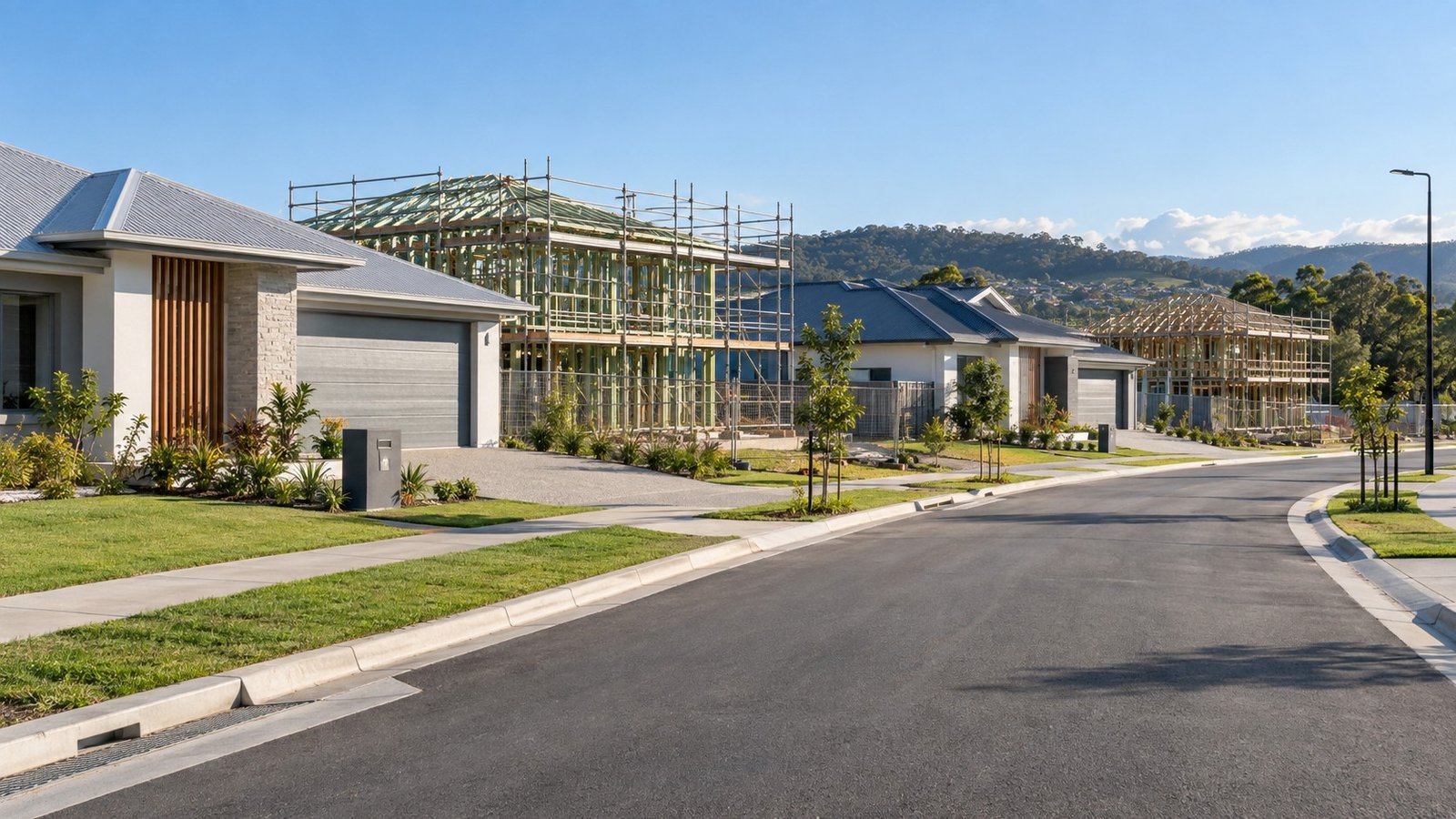
Overview and Planning Framework
Springfield (QLD 4300) is a master-planned suburb located within the City of Ipswich, positioned approximately 28 kilometres southwest of the Brisbane central business district. The statutory foundation for the suburb’s urban development was formally established in 1997 through the Springfield Structure Plan. Created using a state legislative framework, the Springfield Structure Plan was integrated into the Ipswich Planning Scheme to provide long-term planning direction, infrastructure coordination, and land use controls across the region. Springfield City Group, which was formerly named the Springfield Land Corporation, functions as the master developer responsible for managing and executing the long-term master plan for the region.
The Greater Springfield Urban Footprint
The scope of the development framework encompasses a wider geography known as Greater Springfield. Greater Springfield is a 2,860-hectare master-planned urban region that includes six specific suburbs: Springfield, Springfield Central, Springfield Lakes, Spring Mountain, Augustine Heights, and Brookwater. By organizing development across this 2,860-hectare area under a single integrated plan, the master developer and local authorities coordinate the distribution of residential estates, dedicated infrastructure zones, commercial areas, and natural conservation spaces across the district.
Transport Infrastructure and Commuter Links
Infrastructure planning within Springfield relies on major transport corridors that connect residents to surrounding employment hubs and regional centers. Key arterial road transport is facilitated by the Centenary Highway, which provides direct vehicular access toward Brisbane and regional network connections across South East Queensland. In terms of public transit, the suburb is connected via the Springfield Passenger Rail Line. Public rail transit in the region is anchored by two passenger stations: Springfield station and Springfield Central station. These rail facilities deliver direct public transit access for commuters traveling along the Springfield rail corridor.
Specialized Hubs: Health City and Education City
Under the Springfield Structure Plan, the region was designed to incorporate specialized activity hubs to support population growth. Education City was established as a dedicated precinct for learning and professional training, hosting the University of Southern Queensland Springfield campus alongside a TAFE Queensland facility. Nearby, Health City was developed as a dedicated medical and healthcare precinct, which contains the Mater Private Hospital Springfield. Together, Education City and Health City integrate essential higher education, vocational training, and clinical healthcare services within the master-planned boundary, serving the population of Springfield and the surrounding suburbs of Greater Springfield.
Active Residential Growth Estates
Residential housing supply in the suburb and its immediate growth context is driven by master-planned land releases across key residential estates. Within the suburb of Springfield, Kalina Springfield is a master-planned estate managed by property group Stockland. The Kalina Springfield development features medium-density land releases balanced with preserved bushland reserves, integrating urban lot design with existing environmental features. Adjacent to Springfield, Springfield Rise represents another major active residential growth estate. Located in the neighboring suburb of Spring Mountain, Springfield Rise is situated within the broader 2,860-hectare Greater Springfield region, providing residential land releases directly adjacent to the established transport corridors, Education City, and Health City in Springfield.
Join The Discussion