
 by
by 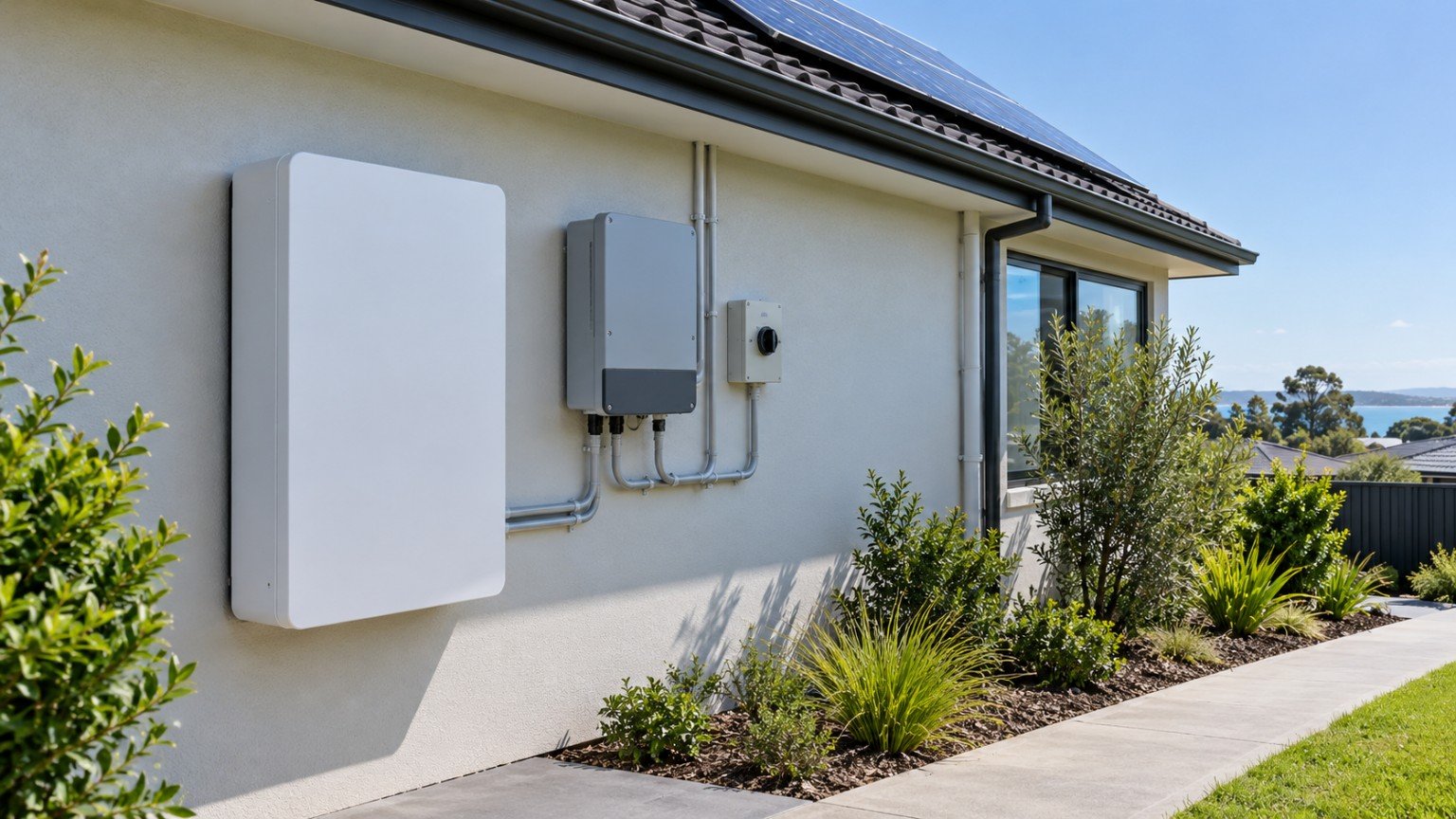
Home batteries have become a much more common talking point for Australian households, largely driven by rising interest in solar, ongoing pressure on power bills, and government support that has made batteries more accessible than a few years ago. But whether a battery is actually worth it depends heavily on individual circumstances. This isn’t a simple yes-or-no purchase, and the right answer for one household can be completely wrong for the next. Rather than chasing a specific dollar figure, it’s more useful to work through the factors that genuinely determine whether a battery will pay off for your particular home.
What a home battery actually does
In simple terms, a home battery stores electricity, usually from rooftop solar, so it can be used later rather than exported to the grid or drawn back from it at a higher price. Instead of solar power going largely unused during the day while the household is out, and the home then buying electricity back from the grid in the evening, a battery lets a household store the daytime surplus and use it after the sun goes down. Some systems can also provide backup power during an outage, though not every battery and inverter combination supports this, so it’s worth checking specifically if backup power is a priority.
The main factors that determine whether it pays off
Your existing solar system
A battery is generally only worthwhile if there’s already a reasonably sized solar system producing more power during the day than the household uses. Without solar, or with an undersized system, there’s often not enough surplus generation to make storing it worthwhile. Households considering solar and a battery together should have solar sized to the home’s overall usage first, since an oversized battery paired with an undersized solar system won’t have enough to store.
How and when your household uses electricity
Batteries deliver the most value to households that use a lot of electricity in the evening and overnight, when solar generation has stopped, such as families running appliances, heating, cooling or charging an electric vehicle after work hours. A household that’s mostly out during the day and uses relatively little power at night gets less benefit from storing solar for later use, because there’s less evening demand to offset.
Your electricity plan and export arrangements
How much a retailer pays for exported solar, and how much they charge for electricity used at different times of day, both affect the payback calculation. If export payments are relatively low and evening electricity prices are relatively high, storing power for evening use becomes more attractive. It’s worth comparing plans and asking a retailer directly about current feed-in rates and time-of-use pricing before assuming a battery will or won’t stack up.
Battery size relative to household need
Bigger isn’t automatically better. A battery sized well above what a household actually uses overnight simply costs more without adding proportional benefit, while an undersized battery may not cover typical evening usage. A solar installer or energy assessor can help estimate a household’s evening and overnight usage pattern to guide appropriate sizing, rather than defaulting to the largest available unit.
Rebates and financial support
There is currently a federal rebate scheme in place that reduces the upfront cost of eligible home battery installations, and some states and territories add their own additional support on top of it. Because rebate rates, eligibility rules and available state top-ups change relatively often, and because they genuinely affect the payback calculation, it’s worth checking the current details directly through official federal and state government energy or rebate websites, or with an accredited solar and battery installer, before budgeting for a system. Treat any figure you see online, including general guidance like this, as a starting point to verify rather than a fixed number to plan around.
Questions worth asking before committing
Before getting quotes, it’s worth having clear answers to a few things: roughly how much electricity does the household use in the evening and overnight, what does the current solar system generate on an average day, what would exported power currently earn versus what evening electricity currently costs, and does the household want backup power during outages as part of the decision, since that can change which system is the right fit. An accredited installer should be able to walk through actual household usage data, not just general assumptions, when quoting.
When it tends to make more sense, and when it might not yet
A battery tends to make more sense for a household with decent existing solar, meaningful evening and overnight electricity use, and access to rebates or state support that reduce the upfront cost. It tends to make less sense for a household with little or no solar, low evening usage, or one that’s likely to move house again soon, since a battery is a long-term investment that takes years to pay back through savings. For many households, the honest answer is that it’s close either way, and getting a proper, personalised quote based on real usage data is the only reliable way to know.



Join The Discussion