
 by
by 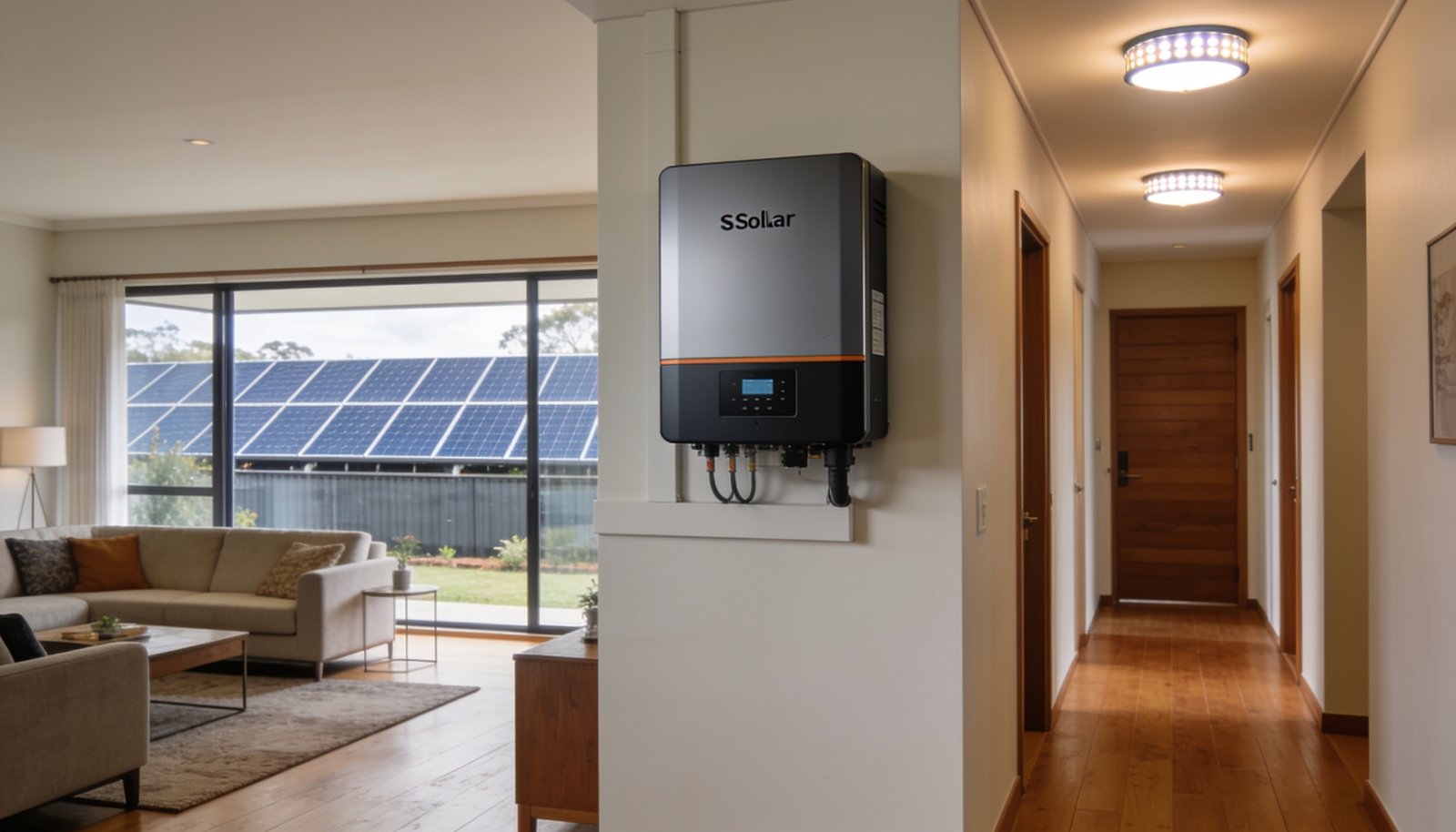
Solar panels can reduce the amount of electricity drawn from the grid. Many Queensland households enjoy plenty of sunshine throughout the year. This article explores whether installing solar is a practical choice for a small home.
Assessing Your Power Use
The first step is to look at the electricity meter over a few months. You should note how many kilowatt hours are used in winter and summer. This gives a clear picture of your typical consumption.
If your usage is steady, a solar system can cover a large part of it. If it spikes during certain times, you might need extra storage or a different setup. Knowing the pattern helps decide the right system size.
Make a simple log of lights, appliances, and cooking times. This helps identify which devices use the most power. You can then plan how much solar output you need.
- Check the meter regularly.
- Note peak usage times.
- Track appliance consumption.
- Record seasonal changes.
Sunlight Availability
Queensland receives a generous amount of daylight each day. The angle of the sun changes with the seasons. Understanding this helps position panels for maximum exposure.
Mounting panels on a south-facing roof captures more light. Avoid shading from trees or buildings during peak sun hours. Regular maintenance keeps surfaces clean.
If your roof is sloped, the angle can be adjusted with mounting brackets. If it is flat, you may need a tilt system or a different orientation. Ensuring clear sky view is essential.
Installation and Wiring
The solar array is connected to the house through a switchboard panel. The wiring must be routed safely to avoid contact with live parts. A professional electrician should handle the connections.
After installation, the system feeds electricity into the home and any excess can be sent back to the grid. This requires a specialised meter that records both directions. The process must follow local safety codes.
Regular checks of the wiring and connections prevent faults. If you notice any flickering lights or unusual smells, call a qualified electrician. Safety is paramount when dealing with electricity.
- Route wiring safely.
- Use qualified electrician.
- Check for faults.
- Follow safety codes.
Battery Storage Options
Adding a battery allows excess solar energy to be stored for use at night. The battery must be sized to match your typical evening consumption. Installation should be carried out by a licensed installer.
During cloudy days, the battery can supply power until the sun rises again. It also provides backup during power outages. Choosing the right capacity depends on how often outages occur.
Maintenance involves checking the battery health and ensuring it is kept in a ventilated area. If the battery shows signs of swelling or overheating, replace it promptly. Professional service is advised for battery upkeep.
- Size battery to usage.
- Check battery health.
- Ventilate battery area.
- Replace if swollen.
Maintenance and Longevity
Solar panels perform best when kept clean from dust and bird droppings. Washing them with a soft brush and water is usually sufficient. Avoid harsh chemicals that could damage the surface.
Inspect mounting brackets and wiring annually for corrosion or loose connections. Tighten any loose bolts and replace corroded parts. This keeps the system safe and efficient.
Keep a record of all maintenance activities in a logbook. This helps track performance over time and spot any declining output early. Regular attention extends the life of the system.
- Wash panels gently.
- Inspect brackets yearly.
- Keep maintenance log.
Environmental and Community Impact
Using solar reduces the amount of power drawn from the grid. This lowers the overall demand on the local electricity supply. It also reduces the carbon footprint of the household.
Solar energy is clean and does not emit pollutants during operation. The system can operate quietly, avoiding noise pollution. It contributes to a quieter neighbourhood.
Neighbours may notice fewer power outages during peak demand. The local grid benefits from reduced stress during hot days. Solar power supports the community’s resilience.
- Lower grid demand.
- Reduce carbon footprint.
- Support community resilience.
Final Considerations
Deciding to install solar involves evaluating the household’s energy habits and roof conditions. It is useful to compare the expected performance with the actual usage over time. This comparison helps confirm whether the investment is worthwhile.
If the roof is in good condition and the house has a clear south-facing aspect, the system can perform well. If there are significant shading issues or the roof is old, repairs may be needed first. Planning ahead avoids costly surprises.
Once installed, the system will operate with minimal daily attention. Regular checks and occasional cleaning keep it running smoothly. The long-term benefits can outweigh the initial effort.
- Evaluate energy habits.
- Check roof condition.
- Plan repairs early.
Solar panels can be a practical way to cut electricity usage in a small Queensland home. By following these steps, homeowners can make an informed decision about adopting solar power.


Join The Discussion