
 by
by 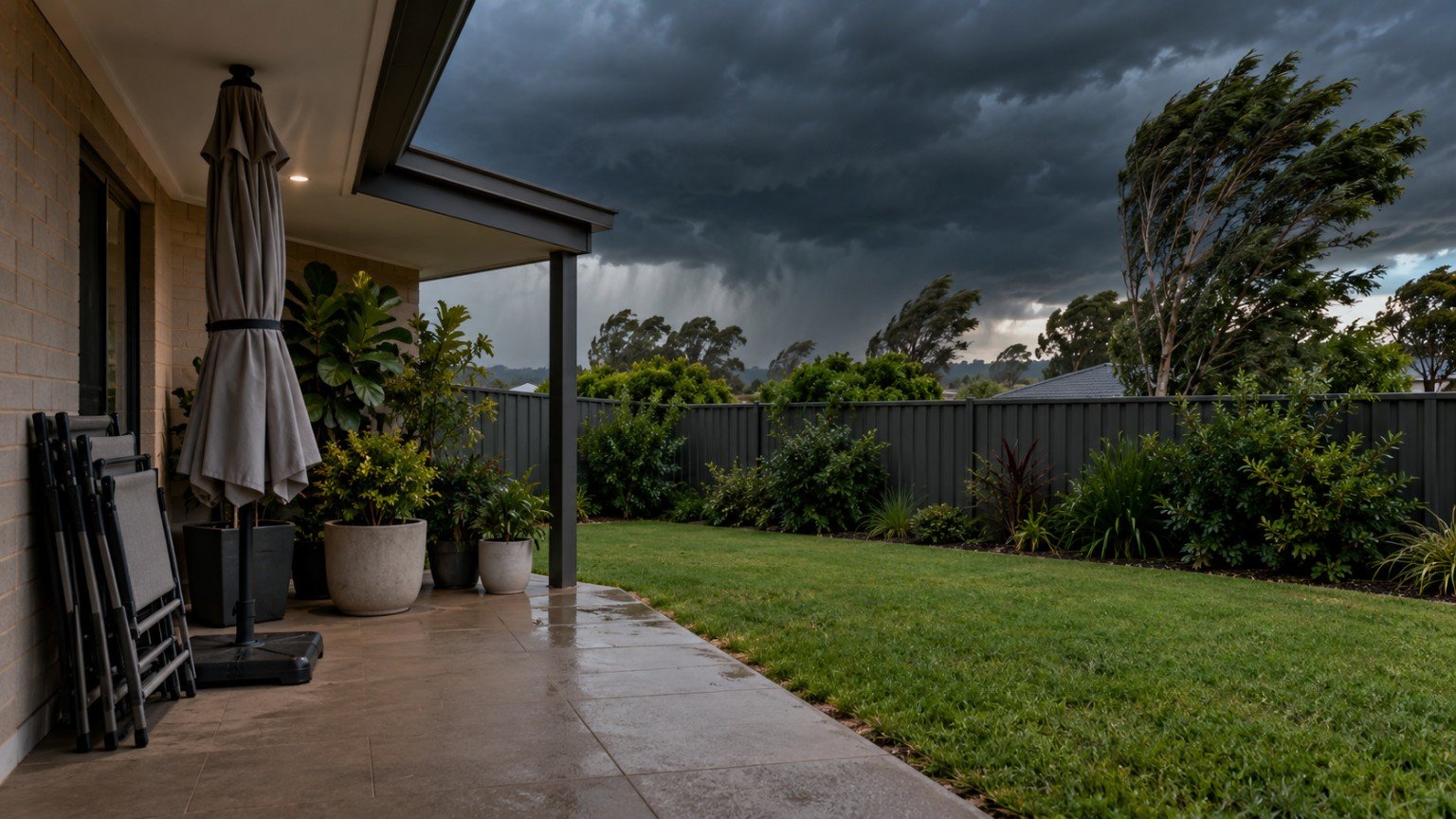
Severe storms and, for northern and coastal areas, tropical cyclones are a genuine part of the Australian calendar each year. A bit of preparation before the season builds up makes a real difference to how well your home and family cope when a warning is issued. This is a general, Australia-wide guide, storm risk and timing vary a lot depending on where you live.
When storm and cyclone season starts
The Bureau of Meteorology’s official tropical cyclone season for the Australian region runs from 1 November to 30 April, though severe thunderstorms and damaging winds can happen outside that window too, particularly across southern and eastern states through spring and summer. Rather than relying on a fixed date, the most reliable approach is to check the Bureau of Meteorology’s website for current outlooks and warnings for your specific area as the season approaches.
Check your roof and gutters
Blocked gutters and downpipes are one of the most common causes of water damage during heavy rain, so clearing leaves and debris before the season starts is worth the effort. If you notice loose or damaged roof tiles, lifted flashing, or anything that looks like it could come away in high wind, get a roofing professional to inspect and fix it. Roof work at height carries real fall risk, this is a job for a qualified tradesperson, not a DIY project.
Secure the yard
Loose items in the yard become genuine hazards in high wind, they can damage your home or a neighbour’s, or cause injury. Before the season sets in:
- Store or securely tie down outdoor furniture, trampolines, umbrellas and garden decorations
- Check for dead or overhanging branches near the house, and arrange a qualified arborist for anything large or close to power lines rather than attempting it yourself
- Secure or bring in loose bins, pots and garden tools
Check drainage around the home
Walk the perimeter of your property and clear any stormwater drains, grates or low points where water tends to pool. Make sure nothing, mulch, leaves, garden edging, is blocking water’s path away from the house. Good drainage around the foundation matters just as much as a clear roof when heavy rain arrives.
Review your insurance
Before the season starts is the right time to check your building and contents insurance actually covers storm and flood damage, and to understand your excess. Policies and coverage vary significantly, so this is worth a genuine read of your own policy documents or a call to your insurer rather than assuming, particularly if you’re in an area with known flood or cyclone risk.
Prepare an emergency kit and plan
A basic emergency kit is worth having ready well before any warning is issued:
- Torch and spare batteries
- A battery or hand-crank radio to receive updates if power is out
- Bottled water and non-perishable food for several days
- A basic first aid kit and any essential medications
- Copies of important documents, kept somewhere waterproof
If you’re in an area with a known evacuation plan or flood-prone location, know your route and where you’d go in advance, rather than working it out during an actual warning.
During a severe warning
Once a warning is issued, follow the Bureau of Meteorology and your state or local emergency service’s advice directly rather than relying on secondhand information. They’re the authoritative source for what’s actually happening and what action to take.
If you’re in a cyclone-prone region
Readers in Queensland and other cyclone-prone parts of the country may want more region-specific detail. Our existing guide on Queensland storm and cyclone season preparation goes deeper into the property-specific considerations for that risk zone.
None of this preparation needs to happen in a rush right before a warning. Working through it once, before the season builds up, means you’re genuinely ready rather than scrambling.

Join The Discussion