
 by
by 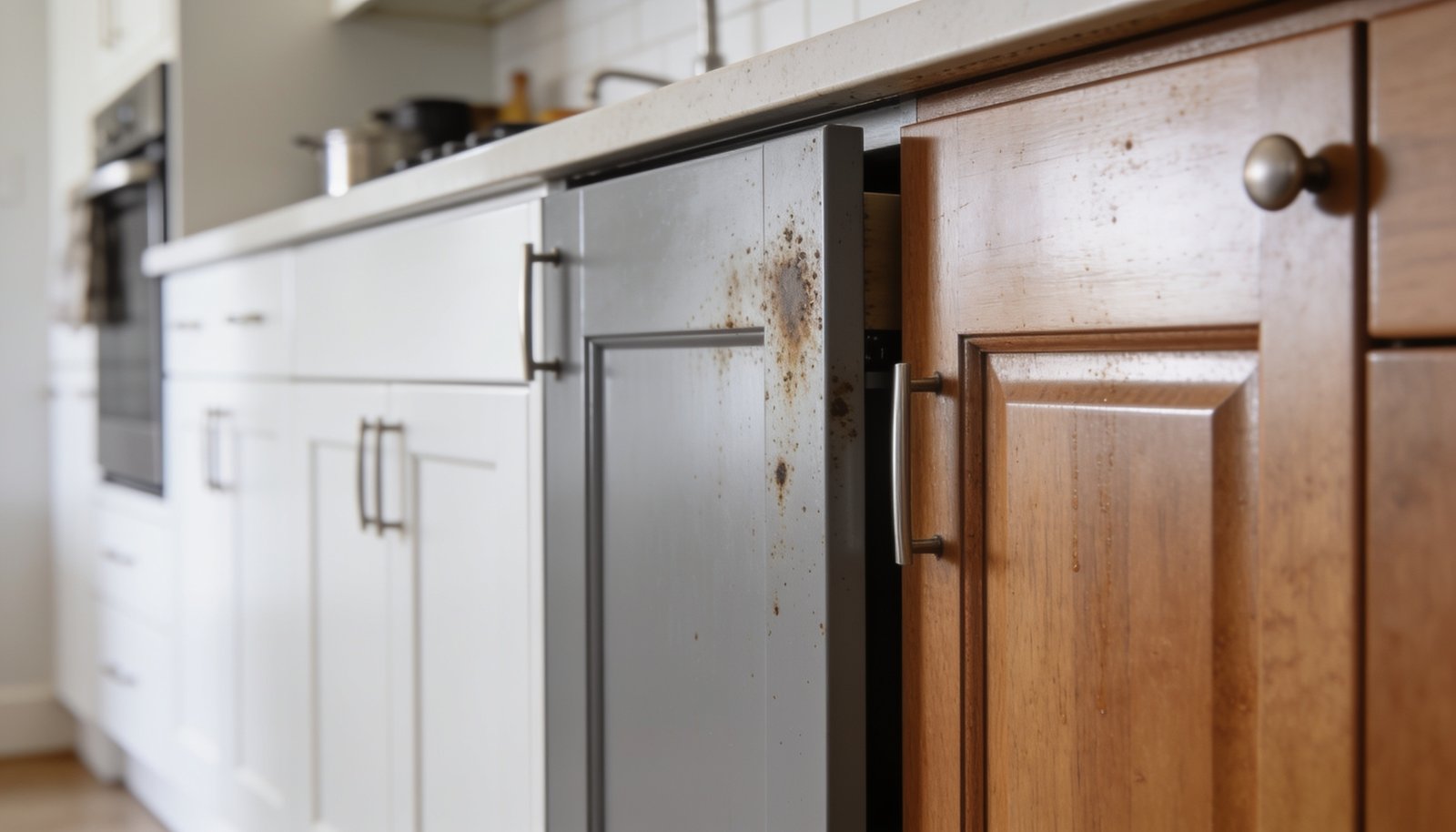
Kitchen cupboard doors accumulate grease over time through daily cooking. While removing built-up grime is necessary to maintain a clean home environment, using improper cleaning techniques can permanently damage cabinet surfaces. Maintaining kitchen cabinetry requires selecting mild grease-cutting agents and gentle tools that dissolve grease without dulling, scratching, or damaging the surface finish.
Choosing Safe Cleaning Solutions and Tools
To effectively break down grease on cupboard doors, mild grease-cutting agents are the safest choice. Solutions made of warm soapy water or diluted detergent are highly effective at loosening accumulated oils. These mild solutions break down grease deposits without introducing aggressive chemicals that can strip protective coatings or alter the appearance of your joinery.
The choice of cleaning tool is equally important as the cleaning solution. Always use non-abrasive microfibre cloths when wiping down cupboard doors. Microfibre fabrics lift grease particles away from the surface without leaving micro-scratches. Using rough rags, paper towels, or abrasive materials can compromise glossy or matte finishes over time.
What to Avoid When Cleaning Cabinetry
Protecting your kitchen cupboard doors means knowing which products and methods can cause irreversible damage. Abrasive scouring pads must be avoided entirely. Even light scrubbing with an abrasive pad can scuff cabinet finishes, leaving dull patches or fine scratches across the door faces.
Harsh chemicals should also be kept away from cabinetry. Avoid using bleach or unbuffered solvents on kitchen cupboard doors. Bleach and aggressive solvent-based cleaners can cause surface dulling, discoloration, or finish breakdown on laminated, painted, or timber surfaces. Furthermore, mixing chemical products should never be attempted, as combining household cleaning agents can create dangerous reactions and ruin cabinet materials.
Controlling moisture levels during the cleaning process is another critical factor. Avoid applying excessive moisture or letting water pool along the edges of cupboard doors. Excessive liquid can lead to surface dulling and may cause edge-seam moisture ingress. When moisture penetrates cabinet edge seams, the underlying substrate can swell, lift, or peel away, resulting in permanent structural damage to the joinery.
Step-by-Step Maintenance Guide
To clean kitchen cupboard doors safely, follow a routine focused on finish protection:
- Prepare the cleaning solution: Combine warm water with a mild soap or diluted detergent. Ensure the mixture is gentle rather than overly concentrated.
- Select the right cloth: Dampen a non-abrasive microfibre cloth in the warm soapy water. Wring the cloth out thoroughly so it remains damp rather than soaking wet, preventing excessive moisture from pooling on the cabinet surface.
- Wipe gently: Apply the microfibre cloth to the greased areas of the cupboard door, using smooth, light movements to dissolve the grease layer. Avoid scrubbing heavily or using abrasive scouring tools.
- Manage moisture: Clean one door section at a time, taking care not to let liquid collect around the edges, joinery seams, or handles.
- Dry thoroughly: Use a dry, clean microfibre cloth immediately after cleaning to absorb any residual surface dampness. Ensuring the surface is completely dry prevents edge-seam moisture ingress and protects against surface dulling.
Cabinetry Care Considerations
Kitchen cleaning requirements are uniform across Australia, as there are no state-specific regulatory variations regarding standard domestic kitchen cleaning. However, individual cabinetry materials vary widely in their sensitivity to moisture and chemical agents.
Always refer to the manufacturer’s specific care instructions if they are available for your kitchen. Different finishes may require subtle adjustments in how quickly moisture is wiped away or how detergent solutions are applied. Cleaning is a general household task; if you are unsure about the specific finish of your kitchen cabinetry or how a particular surface reacts to moisture and mild detergent, consult a professional before proceeding.

Join The Discussion