
 by
by 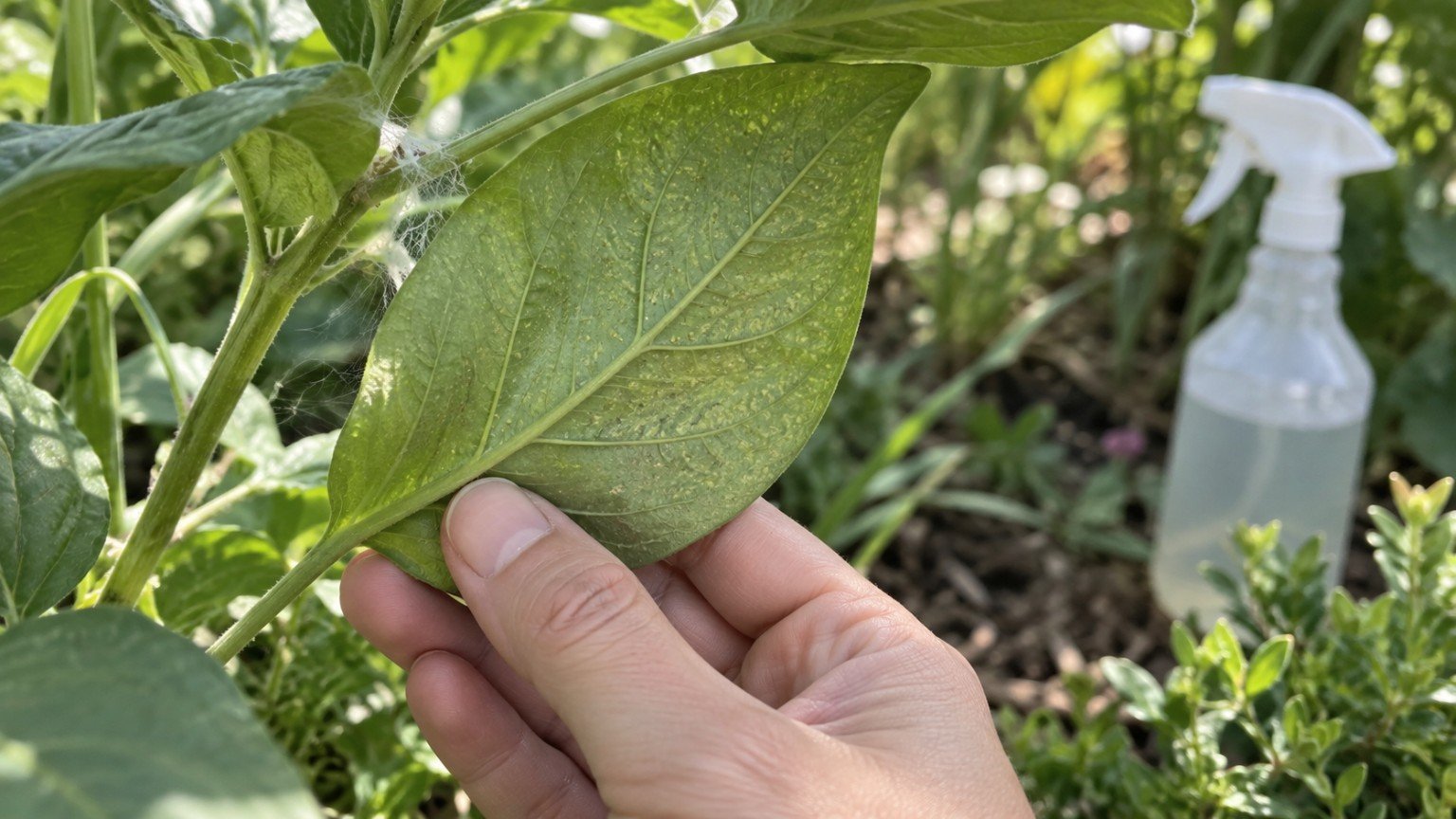
Spider mites are one of the more frustrating garden pests to deal with, mostly because they are so easy to miss until the damage is already done. These tiny arachnids thrive in Australia’s warm, dry conditions and can move through a garden fast, especially over summer. The good news is that with a bit of regular attention, spider mites are manageable without resorting to harsh chemical sprays.
What spider mites are and why they matter
Spider mites are not insects but tiny relatives of spiders, usually less than a millimetre long. They are hard to spot with the naked eye, but they leave clues. Affected leaves often develop a fine speckled or stippled look, sometimes turning yellow, bronze or grey. In more advanced infestations, you may notice delicate webbing across leaves and stems, particularly on the underside of foliage.
They feed by piercing plant cells and sucking out the contents, which weakens the plant over time. A small population usually causes cosmetic damage, but left unchecked, spider mites can stress a plant enough to affect flowering, fruiting or overall vigour.
Conditions that encourage spider mites
Spider mites generally prefer hot, dry and dusty conditions, which is part of why they become more active in an Australian garden through late spring and summer. Plants that are already under stress from drought, poor airflow or nutrient deficiency tend to be more vulnerable. Dusty leaves, whether from nearby roadworks, dry soil or general neglect, also seem to encourage them, since dust can interfere with the natural predators that would otherwise help keep numbers down.
Roses, tomatoes, beans, cucumbers and many ornamental plants are common targets, though spider mites are not fussy and will move to whatever is available if their preferred host becomes unsuitable.
How to check for spider mites
Because they are so small, the easiest way to check for spider mites is to hold a sheet of white paper under a leaf and gently tap or shake the foliage. If tiny specks fall onto the paper and start moving, that is a strong sign of spider mite activity. A magnifying glass can help confirm what you are looking at, since spider mites are often confused with other minor pests.
Regularly inspecting the undersides of leaves, especially on plants that have looked a little dull or discoloured, is the best way to catch an infestation early, before it spreads through the garden.
Natural ways to treat spider mites
Start with water
A strong, direct spray of water on the affected foliage, focusing on the underside of leaves, can physically dislodge a large number of mites and their webbing. This is often enough to bring a light infestation back under control, particularly if repeated every few days for a week or two.
Improve humidity and airflow
Since spider mites favour hot, dry conditions, increasing humidity around susceptible plants can make the environment less favourable for them. Grouping plants a little closer together, mulching to retain soil moisture, or misting foliage in the cooler part of the day can all help, provided the plants themselves are not prone to fungal issues from excess moisture.
Encourage natural predators
Predatory mites, lacewings and ladybirds all feed on spider mites and can help keep populations in check naturally. Avoiding broad-spectrum pesticide use is important here, since these products tend to kill off the very predators that would otherwise do the work for you.
Horticultural oils and soaps
Products such as horticultural or eco-oils and insecticidal soaps are widely used as a lower-impact option for spider mite control. They work by coating and suffocating the mites rather than relying on systemic toxicity, and are generally considered gentler on beneficial insects when used according to the label. As with any garden product, always follow the label directions closely, apply in the cooler part of the day to avoid leaf burn, and test on a small area first if you are unsure how a particular plant will respond.
Remove badly affected material
If certain leaves or stems are heavily infested and webbed, pruning them off and disposing of them away from the garden (rather than composting) can reduce the overall mite population quickly, especially in the early stages of an outbreak.
Keeping spider mites from coming back
Consistent watering, particularly during hot, dry stretches, keeps plants less stressed and less attractive to spider mites in the first place. Reducing dust around the garden, whether by damping down paths or hosing off dusty foliage occasionally, also helps. Regularly inspecting plants, especially the more mite-prone ones like roses and vegetables, means you are far more likely to catch a small problem before it becomes a widespread one.
Spider mites are one of those pests that reward a bit of routine attention. A garden that is well watered, well ventilated and checked over every week or two is much less likely to see a minor mite presence turn into a serious infestation.



Join The Discussion