
 by
by 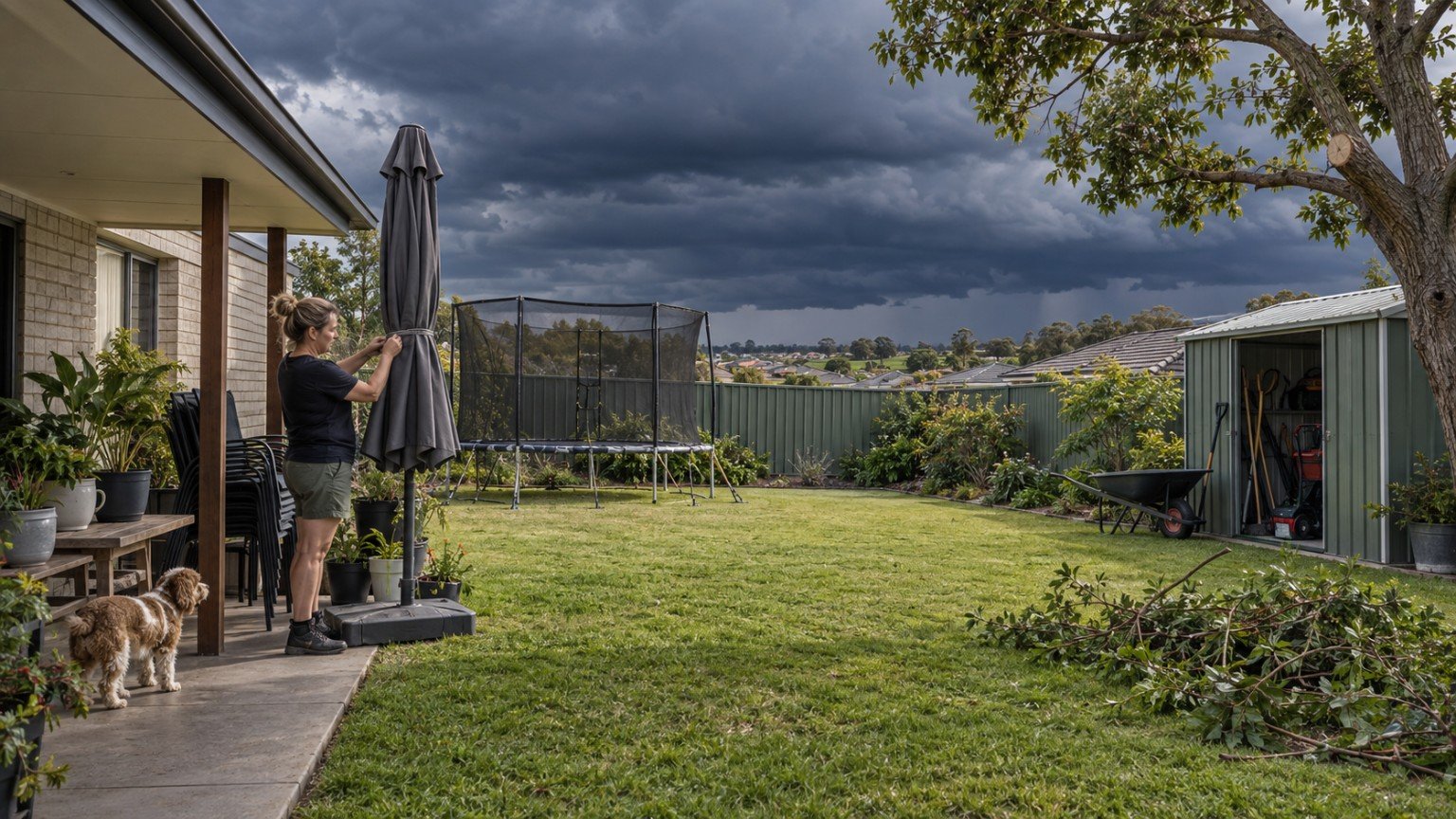
Storm and cyclone season affects most of Australia in some form, whether that means severe thunderstorms and hail through a southern summer or the more sustained cyclone risk across the northern coastline. While a lot of storm preparation advice focuses on the house itself, the garden is just as exposed, and an unprepared garden can quickly become a hazard rather than just an inconvenience. A little planning before the season sets in can reduce damage, protect plants worth keeping, and lower the risk of loose items becoming a danger during high winds.
Why gardens need their own storm plan
During severe weather, gardens are a common source of damage, both to the property itself and to neighbouring homes. Overhanging branches can bring down power lines or damage roofing, unsecured furniture and pots can become projectiles in strong wind, and waterlogged garden beds can contribute to broader drainage problems around a home. Preparing the garden alongside the rest of the property is a practical step that is often left until a warning is already in place, when there is far less time to do it properly.
Assess trees and large shrubs early
Well before storm season begins, it is worth walking the garden and looking specifically at trees and large shrubs. Dead or damaged branches, trees leaning more than usual, or roots that look like they are lifting the surrounding soil are all signs that a tree may not cope well with strong wind. Removing dead wood and thinning overly dense canopies can reduce wind resistance significantly.
Any tree work involving significant pruning, large branches, or trees near power lines or structures is a job for a qualified arborist rather than a DIY project. Councils in many areas also have rules protecting certain trees, so it is worth checking local requirements before removing or heavily pruning anything.
Secure loose items well ahead of a warning
Pots, garden ornaments, outdoor furniture, umbrellas and children’s play equipment are all common causes of storm damage once they are picked up by strong wind. Where possible, group lightweight pots together in a sheltered spot, or plan to move them into a garage or shed if a warning is issued. Heavier items can be tied down or, if practical, temporarily secured to a fixed structure.
It is far easier to identify and plan for these items on a calm day than to scramble around the garden once a storm warning has already been issued, so a quick inventory of anything that could become airborne is a useful exercise before the season starts.
Check drainage and garden beds
Heavy rain during storm and cyclone season can overwhelm garden beds that do not drain well, leading to waterlogging, root damage and erosion. Clearing leaf litter and debris from drains, swales and low points in the garden helps water move away from the house rather than pooling around it. Raised garden beds, improved soil structure with organic matter, and mulching can all help garden beds cope better with sudden heavy rainfall.
If parts of the garden regularly hold water after rain, it is worth addressing that drainage issue before the wetter months arrive, rather than during an active weather event.
Protect plants worth keeping
For gardeners with plants they particularly want to protect, such as young trees, favourite shrubs or productive vegetable beds, staking young or newly planted trees firmly can make a real difference in strong wind. Temporary windbreaks, whether shade cloth, star pickets with mesh, or even strategically placed furniture, can shelter more vulnerable plants during a severe event. Bringing potted plants under cover, even temporarily, protects both the plant and reduces the number of loose items in the garden at the same time.
A simple pre-season checklist
Working through the garden with a short list in mind each year can make preparation far less overwhelming:
- Walk the garden and note any trees or branches that may need professional attention
- Clear gutters, drains and low points of leaves and debris
- Identify pots, furniture and loose items that will need to be moved or secured
- Check that garden beds and lawn areas drain reasonably well after heavy rain
- Stake young trees and shelter particularly vulnerable plants
- Know where loose items will go at short notice if a warning is issued
After the storm passes
Once severe weather has passed, check the garden for hazards before doing any cleanup, including damaged branches still caught in a tree canopy and any items that may have shifted during the event. Waterlogged garden beds may need aerating once they dry out, and any damaged plants can usually be assessed and pruned back once the immediate risk has passed. For readers in storm and cyclone-prone parts of Queensland specifically, a broader look at whole-property storm and cyclone season preparation, not just the garden, is worth reviewing as a companion to this checklist.
Preparing a garden for storm and cyclone season is rarely a single afternoon’s job, but breaking it into a short seasonal routine each year makes it manageable, and significantly reduces the risk of a storm turning an otherwise healthy garden into a source of damage.
Storm prep overlaps heavily with absence prep — if you are heading away during the season, the going-away garden checklist covers the watering side.
Storm season is only half the picture this year — Queensland has also entered a high-risk bushfire period after 180 fires broke out in a single week, so dry-season preparation matters just as much.



Join The Discussion