
 by
by 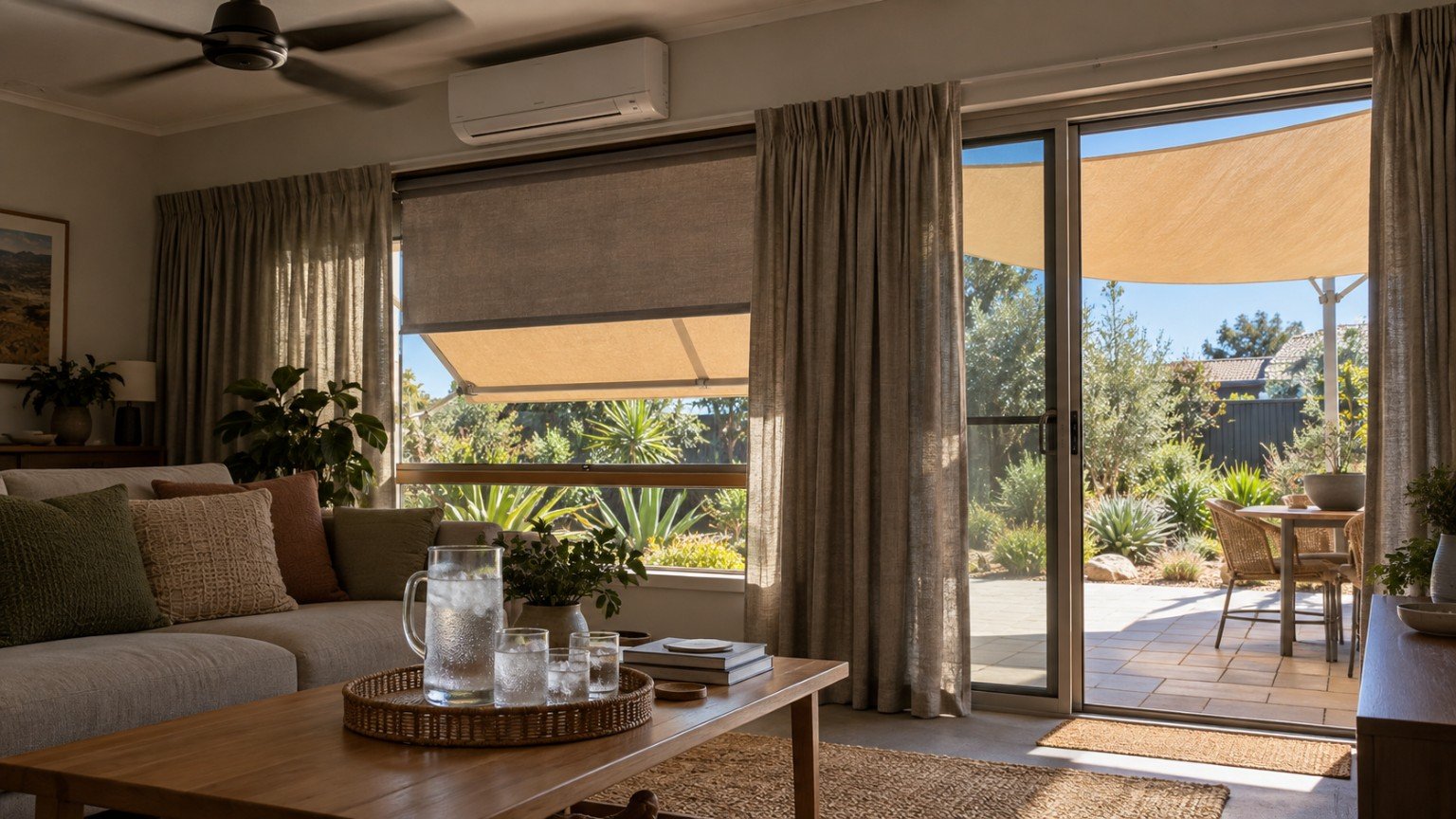
Extreme heat is one of Australia’s most consistent seasonal risks, and unlike a single hot day, a genuine heatwave puts sustained pressure on both a home and the people living in it. A little preparation before the heat arrives makes a real difference to comfort, running costs, and safety, particularly for very young children, older people, and anyone with an existing health condition.
Prepare the home itself
- Check that fans and any air conditioning are clean and working well before the first serious heatwave of the season, rather than during one.
- Close blinds, curtains or shutters on windows that get direct sun during the day, especially west-facing windows in the afternoon.
- Seal obvious gaps around doors and windows where hot air can get in, the same gaps that let cold air out in winter.
- If you have outdoor shading such as blinds, awnings or established trees, make sure they are in good condition before summer.
Plan how you will actually cool the house
On genuinely extreme days, the cheapest approach is usually to keep the house sealed and shaded during the hottest hours and only open it up to catch cooler air overnight or early morning. Running fans to move air, closing off unused rooms, and limiting oven use on the hottest days all help reduce how hard any cooling system has to work. If you do not have air conditioning, knowing in advance where your nearest cool public space is, such as a library, shopping centre or community centre, is worth doing before you need it, not during a heatwave itself.
Stock up before the heat arrives
A short list of supplies is worth having on hand before a heatwave is forecast, rather than trying to buy them once everyone else has the same idea: enough drinking water, ice or the ability to make it, and any medications people in the household rely on. Keeping a torch and phone charger accessible is also sensible, since extreme heat can sometimes coincide with power outages from strain on the electricity network.
Check on the people around you
Extreme heat is genuinely dangerous, and the people most at risk are often not the ones who look after themselves during a heatwave. Elderly neighbours or relatives, people living alone, young children, and anyone with a chronic health condition are all more vulnerable to heat stress. A simple check-in call or visit during a heatwave, especially to older neighbours or family members who live alone, can make a real difference. Encourage everyone in the household to drink water regularly through the day rather than waiting until they feel thirsty, and to avoid strenuous outdoor activity during the hottest part of the day.
If you or someone you are checking on shows signs of heat-related illness such as heavy sweating, dizziness, confusion or nausea, move them somewhere cool, offer water, and seek medical advice or emergency help if symptoms are severe or do not improve. Official heat-health guidance from your state health department is the best source for specific warning signs and advice, and is worth bookmarking before the season starts rather than searching for it during an emergency.
A simple pre-heatwave checklist
- Service or clean fans and air conditioning before the season starts.
- Check blinds, curtains and outdoor shading are in good working order.
- Know your nearest cool public space if you do not have air conditioning.
- Keep water, ice and essential medications stocked ahead of forecast heat.
- Plan a check-in on elderly neighbours, relatives or anyone living alone.
- Keep a torch and charged phone accessible in case of a power outage.
None of this needs to wait for an official heatwave warning to start. Getting the home and a simple plan ready before the hottest stretch of the year arrives is what actually keeps a heatwave from becoming an emergency.
If you live in South East Queensland, our guide to keeping a Queensland home cool goes further into orientation, shading and running costs specific to the local climate.
Join The Discussion