
 by
by 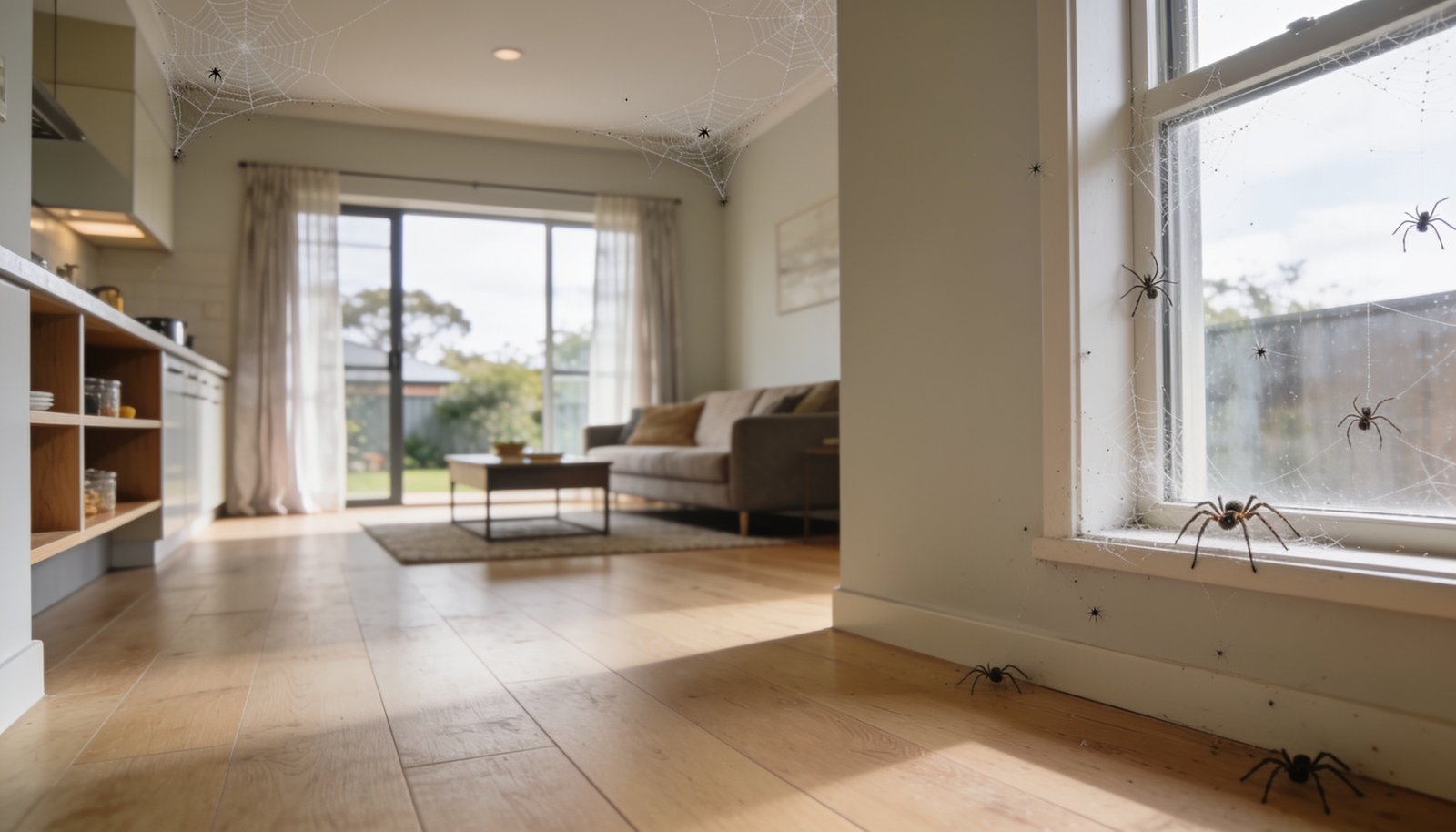
Understanding Spider Behavior During Wet Weather
When heavy rain or prolonged wet weather affects a property, occupants frequently notice an increase in spiders indoors. This behavior is not an intentional invasion or an attempt to target humans. Instead, it is a direct response to changing environmental conditions. Spiders enter homes during wet weather due to three primary drivers: escaping saturated ground-level burrows, seeking dry and elevated shelter, and following prey insects that also move indoors.
Ground-Dwelling Species and Burrow Flooding
Heavy rainfall impacts the soil structure and subterranean habitats where many spiders construct their retreats. Ground-dwelling species such as funnel-webs, trapdoor spiders, and mouse spiders are specifically forced out of underground burrows by rising water levels and flooded soil. When soil becomes completely waterlogged, these spiders must surface to avoid drowning.
Once driven from their subterranean burrows, these species move across ground surfaces in search of dry ground. During this wander, they frequently enter subfloors, garages, laundries, and ground-level living areas. Among these displaced species is the Sydney funnel-web, a potentially dangerous ground dweller forced out when rain inundates subterranean tunnels.
It is important to clarify that spiders do not enter homes specifically to attack or hunt humans. Their presence indoors during a storm or rainy spell is an escape response to environmental disruption. While the phenomenon of indoor movement during wet weather is well documented, there is an uncertainty in scientific literature: the specific threshold of rainfall required to trigger mass movement of various spider species is not clearly defined.
Humidity Regulation, Shelter, and Prey Movement
Rainfall affects atmospheric conditions alongside soil moisture. As ambient humidity rises during wet weather, some spiders wander into homes seeking elevated, dry conditions and moderate temperatures. The interior of a home provides a stable microclimate protected from heavy rain, standing water, and extreme moisture shifts.
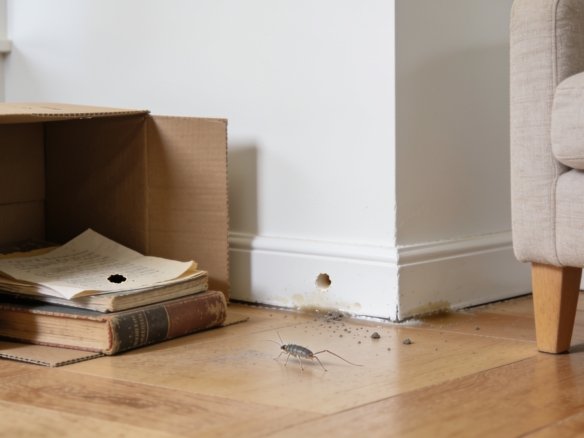
In addition to seeking shelter, spiders follow food sources. Rainy conditions force common prey insects, including flies, mosquitoes, and silverfish, to move indoors seeking dry harbourage. This movement of prey acts as an attractant for spiders, drawing them toward entry points such as unsealed doors, window gaps, and wall cavities where prey insects gather.
Identification, First Aid, and Safety
Encountering spiders indoors during wet periods raises valid safety concerns, particularly when dealing with venomous species. NSW Health provides official guidance on identifying potentially dangerous species, such as Sydney funnel-webs and redbacks, and outlines first aid requirements for spider bites.
If a bite occurs or a dangerous spider is encountered, always consult medical professionals for bite-related concerns and follow recognized first-aid procedures for venomous species. Proper identification through official health resources ensures appropriate first aid steps are taken without unnecessary panic.
Practical Prevention and Sanitation
Managing indoor spider presence during wet weather relies primarily on effective home sanitation and limiting entry points. Practical preventative measures include:
- Limiting Entry Points: Seal gaps around exterior doors, windows, and weeping holes to prevent displaced ground-dwelling spiders from crawling inside.
- Sanitation and Prey Control: Keep living areas clean to deter prey insects like silverfish, flies, and mosquitoes. Reducing prey availability minimizes a major attractant for spiders.
- Managing Humidity and Shelter: Reduce clutter in basements, laundries, and ground-level rooms where spiders might seek dry, elevated shelter during humid weather.
Pesticide Safety Guidelines and Professional Intervention
When applying chemical controls around the home, safety rules must be followed strictly. Homeowners must adhere to the following requirements:
- Pesticides must be used strictly per the Australian product label.
- Pesticides must be kept away from food surfaces at all times.
- Chemical products must be stored safely away from children and pets.
- Do not mix or combine chemical pest products under any circumstances.
- Do not use any pesticide in a manner inconsistent with the product label.
While basic sanitation and physical exclusion help mitigate minor spider activity after rain, significant or repeat infestations require the attention of a licensed pest controller. Professional pest controllers can properly assess risk, apply compliant treatments, and help protect residential properties against recurrent pest intrusions.
Join The Discussion