
 by
by 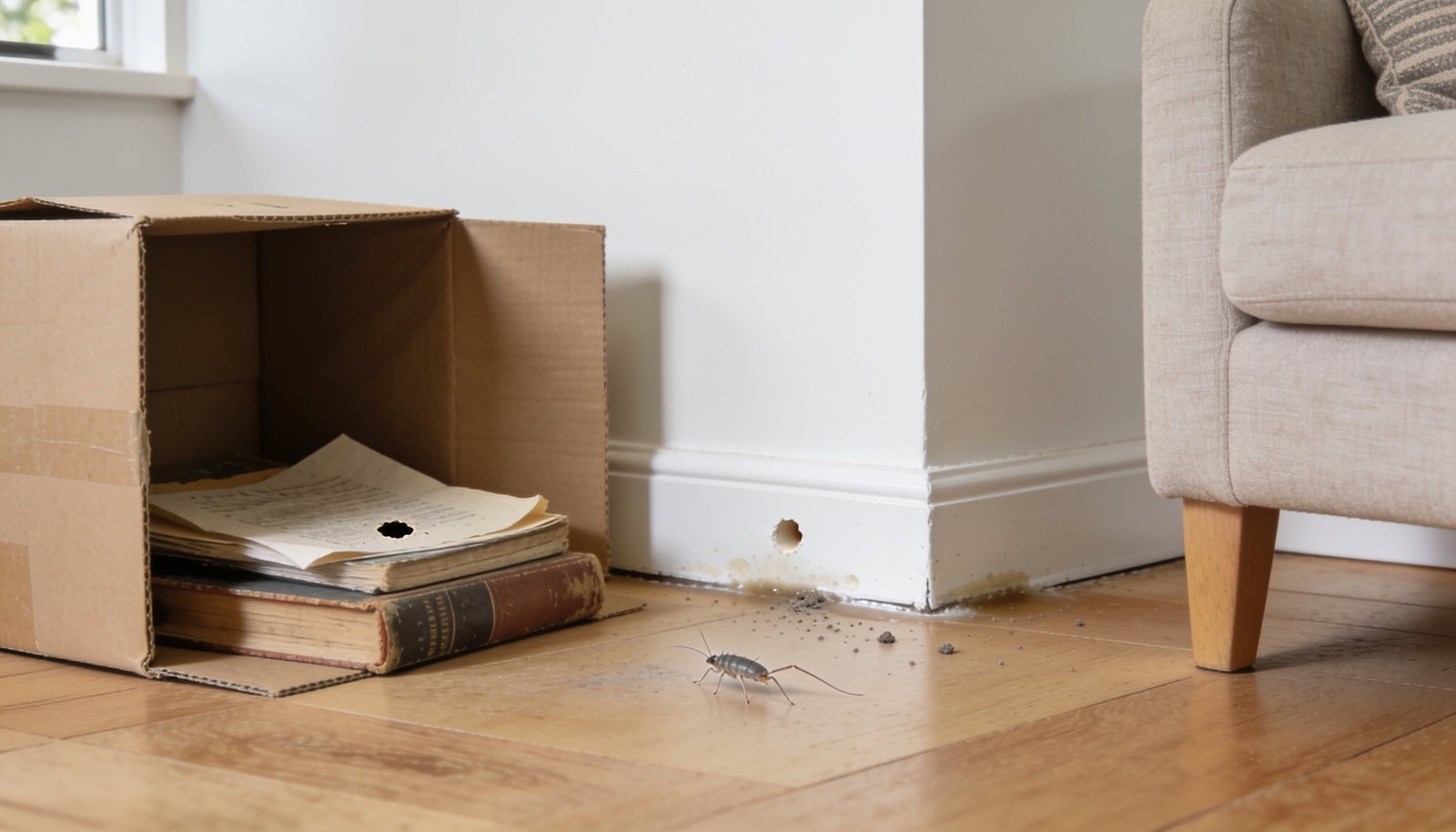
Silverfish are small, wingless insects that thrive in damp, warm environments. They can be found in kitchens, bathrooms, and bedrooms, often attracted to starches, paper, and textiles. Understanding what draws them and how to eliminate them is key to keeping a pest-free home.
Why Silverfish Thrive
Silverfish prefer areas where humidity is high, as moisture keeps their bodies supple. They are drawn to starch-rich materials such as flour, cereal, and glue, which provide a steady food source. Dampness also encourages mould growth, which silverfish feed on, creating a self-reinforcing cycle.
In living rooms and bedrooms, soft furnishings like cushions and curtains can harbour crumbs and fibres that attract these insects. Kitchens often have hidden pockets of moisture near sinks, dishwashers, and under appliances. Bathrooms, with their constant steam, offer an ideal habitat for silverfish to thrive.
The insects are nocturnal, so they are most active after dark, making early detection difficult. Their small size allows them to slip into cracks and crevices, where they remain hidden during the day. Once established, they can multiply rapidly, turning a minor nuisance into a noticeable infestation.
To prevent silverfish, it is important to keep living spaces dry and well ventilated. Regularly emptying and cleaning the kitchen and bathroom drains reduces moisture. Removing excess food particles from floors and countertops also limits food availability.
When a silverfish infestation occurs, the first step is to identify and eliminate their food sources. This involves cleaning up crumbs, discarding expired food, and storing grains in sealed containers. It is also useful to wipe down surfaces with a damp cloth to remove dust and debris.
Reducing moisture is equally important. Use a dehumidifier or a moisture-absorbing product in damp areas. Repair any leaks in pipes or windows promptly to avoid creating a conducive environment.
By addressing both food and moisture, you can create an environment that is less appealing to silverfish, reducing the likelihood of an infestation.
Identifying the Problem
Silverfish have a distinctive silver or bronze sheen and a long, slender tail that looks like a flag. They are about the size of a fingernail and move quickly across surfaces. Their movements are often seen as a flicker of light in the dark.
They leave behind fine, dark specks that are actually shed skin. The presence of these specks on books, papers, or fabrics can indicate a silverfish population. It is useful to check areas where these insects are likely to hide, such as under furniture and behind appliances.
In kitchens, silverfish may appear in cupboards, near pantry shelves, or around the base of the fridge. In bathrooms, they can be found behind the toilet or beneath the shower curtain. Bedrooms may show signs in the corners of beds or along the edges of carpets.
If you notice a sudden increase in specks or a faint, sweet smell, it is a sign that silverfish are actively feeding. The insects are attracted to paper products, so damaged books or magazines can become a food source.
Regular inspections are a practical way to catch an infestation early. A simple sweep of the floor with a flashlight can reveal activity. Checking storage areas for damaged packaging can also help spot problems before they spread.
Once you have confirmed the presence of silverfish, the next step is to locate their hiding spots. Look for tight spaces, such as gaps between tiles or behind wall panels. These areas are often the safest places for the insects to breed.
By systematically identifying and monitoring these areas, you can target your control efforts more effectively.
Reducing Moisture
Moisture control is central to preventing silverfish. A damp environment encourages both the insects and the mould they feed on. Simple changes to daily habits can make a big difference.
Open windows during cooking and showering to allow steam to escape. This reduces humidity in the kitchen and bathroom. Use a kitchen exhaust fan when preparing meals.
After washing dishes, dry the sink area thoroughly. Leaving standing water under the tap creates a perfect breeding ground. A quick wipe with a towel keeps the surface dry.
Check for leaks in pipes, especially under sinks and around the toilet. Even a slow drip can raise humidity levels over time. Prompt repair stops the problem before it worsens.
Use a moisture-absorbing product in areas that tend to stay damp, such as behind the fridge or in the pantry. These products are easy to replace and do not require specialist skills.
If condensation forms on windows, consider a window treatment that reduces moisture buildup. This also improves the overall comfort of the room.
By keeping surfaces dry and eliminating standing water, you reduce the attractiveness of your home to silverfish.
Cleaning and Decluttering
A tidy home is less inviting to silverfish. Removing clutter reduces hiding places and makes it easier to spot signs of infestation.
Clear out old newspapers, magazines, and cardboard boxes. These items can hold crumbs and fibres that attract insects. Dispose of them promptly.
Regularly vacuum carpets and rugs. This removes dust and debris that silverfish might feed on. Vacuuming should be done at least once a week.
Clean under furniture and behind appliances. Use a brush or a vacuum attachment to reach tight spaces. This helps remove any hidden food sources.
Store paper products in sealed containers. This prevents silverfish from accessing books, documents, and other paper items.
When cleaning, use a damp cloth to wipe surfaces. This removes dust and any small food particles that might be present.
By maintaining a clean and decluttered environment, you minimise the resources available to silverfish.
- Clean under furniture.
- Store paper in sealed containers.
- Damp cloth wiping.
Physical Barriers
Physical barriers can prevent silverfish from entering vulnerable areas. Simple changes to the layout of your home can reduce access points.
Seal gaps around baseboards, door frames, and window sills with a suitable material. This stops insects from slipping in through small cracks.
Use a door sweep on the bottom of doors that lead to rooms where silverfish are common. The sweep blocks insects from moving between rooms.
Place a thin strip of silicone or a rubber seal around the perimeter of cupboards. This keeps insects out of storage areas.
Consider installing a screen on windows that are frequently opened. The screen allows airflow while keeping insects out.
Check the condition of existing screens and replace any damaged sections. A well-maintained screen is an effective barrier.
By creating physical obstacles, you make it harder for silverfish to access food and shelter.
Natural Repellents
Certain natural substances can deter silverfish without the need for chemicals. These options are safe for households with pets or children.
Place dried lavender sachets in cupboards and drawers. The scent is unpleasant to silverfish and can keep them away.
Baking soda can be sprinkled in areas where silverfish are likely to hide. The dry powder reduces moisture and acts as a deterrent.
Use a mixture of equal parts vinegar and water in a spray bottle. Spray it on surfaces where insects are seen. The acidic solution discourages feeding.
Activated charcoal packs can absorb excess moisture and reduce humidity. Place them near the base of appliances or in storage areas.
These natural repellents are easy to use and require minimal upkeep. They also avoid the use of harsh chemicals.
- Dried lavender sachets.
- Activated charcoal packs.
- No harsh chemicals.
Professional Pest Control
When silverfish numbers rise despite home measures, professional intervention may be necessary. A licensed pest controller can assess the situation thoroughly.
Professional services include detailed inspections and targeted treatments that are safe for the home environment. They can identify hidden breeding sites that are not obvious to the homeowner.
If structural damage or extensive mould is present, a specialist may need to address these issues. This ensures that the root cause of the infestation is fully resolved.
Professional pest control also offers follow-up visits to monitor the situation and prevent re-infestation.
Choosing a qualified professional ensures that the treatment is effective and compliant with safety standards.
By combining moisture control, cleanliness, physical barriers, and natural repellents, you can create a hostile environment for silverfish. Consistent effort and regular checks will keep your home free from these persistent pests.
Join The Discussion