
 by
by 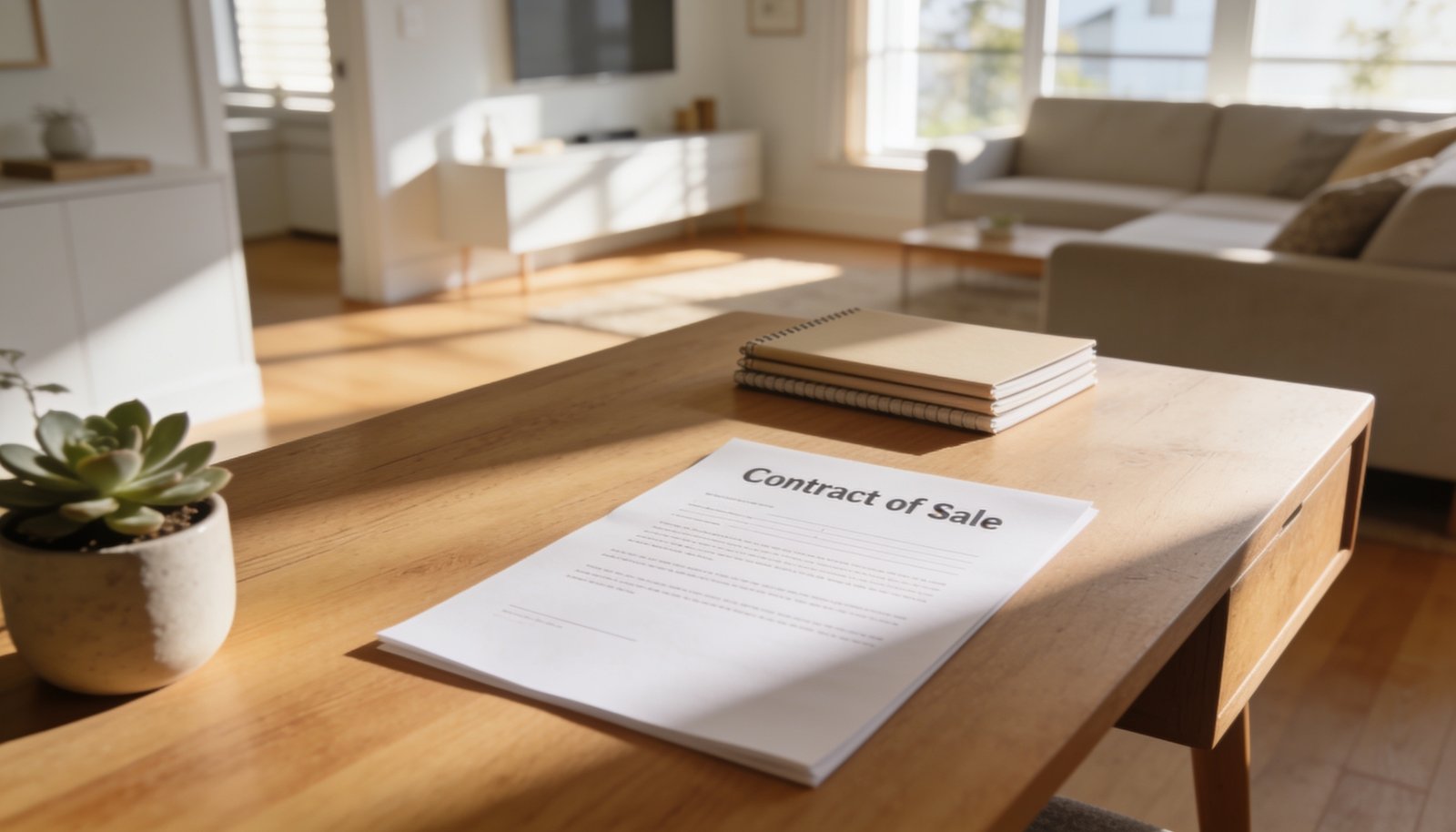
A contract of sale is a key document when buying property. It contains details that protect both buyer and seller. Reading it carefully can save time and avoid surprises.
Understand the Parties
The contract lists the names of the buyer and seller and their addresses. It also shows any agents or representatives involved in the transaction. Check that all parties are correctly identified before proceeding.
If any details look wrong, ask for a corrected version immediately. Make sure the names match those on official documents like passports or driver licences. Incorrect names can cause delays or legal issues later.
The section also notes the property’s address and description. Look for any extra details that might affect ownership, such as easements or shared boundaries. These items can influence the value and use of the property.
Take note of any references to property boundaries or covenants. If you are unsure what these mean, ask a local surveyor for clarification. Clear boundaries help avoid disputes with neighbours.
The contract may include a clause about the property’s title status. Confirm that the title is clear and that no other claims exist. A clear title is essential for a smooth settlement.
If the contract refers to a previous sale or transfer, verify its accuracy. Mismatched dates or details can signal problems. It is better to resolve any discrepancies before signing.
Finally, check that the contract states the parties are legally competent to enter agreements. This protects against future challenges to the sale.
If any party is a company, confirm its registration details. Missing registration can invalidate the agreement.
Ensuring the parties are correctly listed protects all parties involved.
A clear party section reduces the risk of future legal disputes.
- Verify names and addresses.
- Confirm agent details.
- Check title status.
- Review boundary clauses.
Examine the Property Description
The contract lists the property’s physical attributes, such as the type of dwelling and any outbuildings. Look for any mention of features like a garden, pool, or garage. These details can affect maintenance responsibilities.
The description should also note any fixtures and fittings that remain with the property. Check for items such as kitchen appliances, lighting, or built-in wardrobes. Clarifying these items avoids post-purchase misunderstandings.
If the property includes a garden, note any boundaries or shared areas. Shared gardens can have maintenance obligations shared with neighbours. Knowing this helps plan future upkeep.
The contract may mention any existing structures that are not part of the main dwelling. These could be sheds, storage units, or other outbuildings. Confirm their condition and ownership.
Check that the description matches what is visible during a site visit. Any discrepancies should be documented and addressed before signing. A mismatch can lead to costly repairs after settlement.
If the property has special features like a greenhouse or a pergola, note them. These features can affect insurance and maintenance costs. It is important to know their condition.
The contract may state whether the property is a unit, townhouse, or separate house. Different property types have different responsibilities and rules. Understanding the type helps plan future improvements.
Confirm that the contract references any shared facilities, such as a lift or common area. Shared facilities can have shared costs and responsibilities. Knowing this helps avoid future disputes.
The property description should be accurate and complete. Any missing details can lead to future claims or costs.
A thorough review of the description protects against unexpected issues after purchase.
- Check dwelling type.
- Verify fixtures and fittings.
- Confirm garden boundaries.
- Note shared facilities.
Review the Sale Conditions
The contract lists conditions that must be met before settlement. Common conditions include inspections, finance approval, and clear title. Ensuring these conditions are realistic protects the buyer.
An inspection condition allows the buyer to check the property’s condition before finalising the sale. Schedule the inspection early and bring a professional if needed. If problems arise, negotiate repairs or price adjustments.
Finance approval is a condition that requires the buyer to secure a loan before settlement. Confirm the lender’s requirements and timelines. Missing finance approval can delay or cancel the sale.
A title condition ensures the seller provides a clear title at settlement. If any encumbrances are found, request removal before signing. Clear titles are essential for future ownership.
Other conditions may include the sale of a vehicle or removal of a building. Check each condition carefully and confirm it is feasible. Unmet conditions can lead to legal disputes.
The contract may set a deadline for each condition to be satisfied. Mark these deadlines in a calendar to avoid missing them. Late compliance can invalidate the contract.
If a condition is not met, the contract may allow for a refund of the deposit. Understand how this process works to protect your investment.
The contract may also outline how to handle disputes over conditions. Having a clear dispute resolution process reduces conflict.
Ensure all conditions are realistic and achievable within the agreed timeframe. Setting unrealistic conditions can cause unnecessary stress.
Meeting all conditions smoothly leads to a successful settlement.
- Check inspection terms.
- Confirm finance timelines.
- Verify title conditions.
- Note dispute resolution.
Understand the Settlement Date and Process
The contract specifies the settlement date, the day the property ownership officially changes. Make sure this date aligns with your financial planning and move-in schedule. A mismatch can cause logistical issues.
Settlement involves transferring money and title documents between parties. Confirm that the payment method and amount are clearly stated. Any ambiguity can lead to delays.
The contract may require a deposit to be paid before settlement. Ensure the deposit amount is correct and the payment method is secure. Unclear deposit terms can create disputes.
Settlement may also involve a transfer of any existing utilities or services. Check that these services are transferred correctly to avoid service interruptions.
If the property is part of a community, confirm that any community fees are settled. Unpaid fees can lead to future charges or restrictions.
The contract may outline who pays for the transfer of title documents. Clarify this responsibility to avoid unexpected costs.
If you are moving from a different state, consider the timing of stamp duty or registration fees. Plan accordingly to avoid cash flow problems.
The settlement date is a firm deadline; missing it can result in penalties. Prepare all documents and funds well in advance.
Having a clear settlement plan reduces stress and ensures a smooth transition.
A well-planned settlement date supports a hassle-free move.
- Check settlement date.
- Confirm payment method.
- Verify deposit terms.
- Note utility transfers.
Identify the Closing Costs and Fees
The contract lists any additional costs that must be paid at settlement. These can include registration fees, stamp duties, or agent commissions. Knowing these costs helps you budget accurately.
Some costs are paid by the buyer, others by the seller. Read each clause carefully to see who is responsible for what.
The contract may specify a list of taxes or levies that apply to the transaction. Make sure these are included in your financial plan.
If the contract includes a clause about adjustments for utilities or rates, check the calculation method. An unclear method can lead to disputes over final amounts.
The contract may also outline any penalties for late payment of the purchase price. Avoid missing deadlines to stay within the agreed terms.
If you are using a lender, confirm that the lender’s fees are included in the total cost. Missing lender fees can cause cash flow problems.
The contract may require the buyer to pay for property inspections or surveys. Ensure these costs are reasonable and documented.
If there are any additional costs for repairs or renovations, check whether they are included in the contract.
Having a clear understanding of all costs reduces the risk of surprise expenses.
Plan for all closing costs to avoid cash flow issues at settlement.
- Check buyer vs seller costs.
- Review tax and levy clauses.
- Understand adjustment calculations.
- Note penalty clauses.
Plan for Post-Settlement Responsibilities
After settlement, the buyer takes on responsibilities for the property’s upkeep. This includes routine maintenance, council rates, and any community levies.
The contract may specify who is responsible for certain repairs or maintenance tasks before settlement.
If the property has a garden, plan for watering, weeding, and pest control.
If there are shared facilities, such as a lift, check the maintenance schedule and costs.
The contract may require the buyer to obtain insurance for the property.
Ensure that insurance covers both the building and any contents that remain.
If the property is part of a community, confirm that the owner’s contribution to community maintenance is paid.
The contract may specify any ongoing obligations, such as keeping a garden tidy or maintaining a fence.
Document all post-settlement responsibilities to avoid future disputes.
Having a clear plan for post-settlement duties ensures a smooth transition and protects your investment.
- Plan routine maintenance.
- Check shared facility obligations.
- Obtain property insurance.
- Document ongoing responsibilities.
Reading a contract of sale carefully can prevent many common issues after purchase. With a clear understanding of each clause, you can move forward with confidence.



Join The Discussion