
 by
by 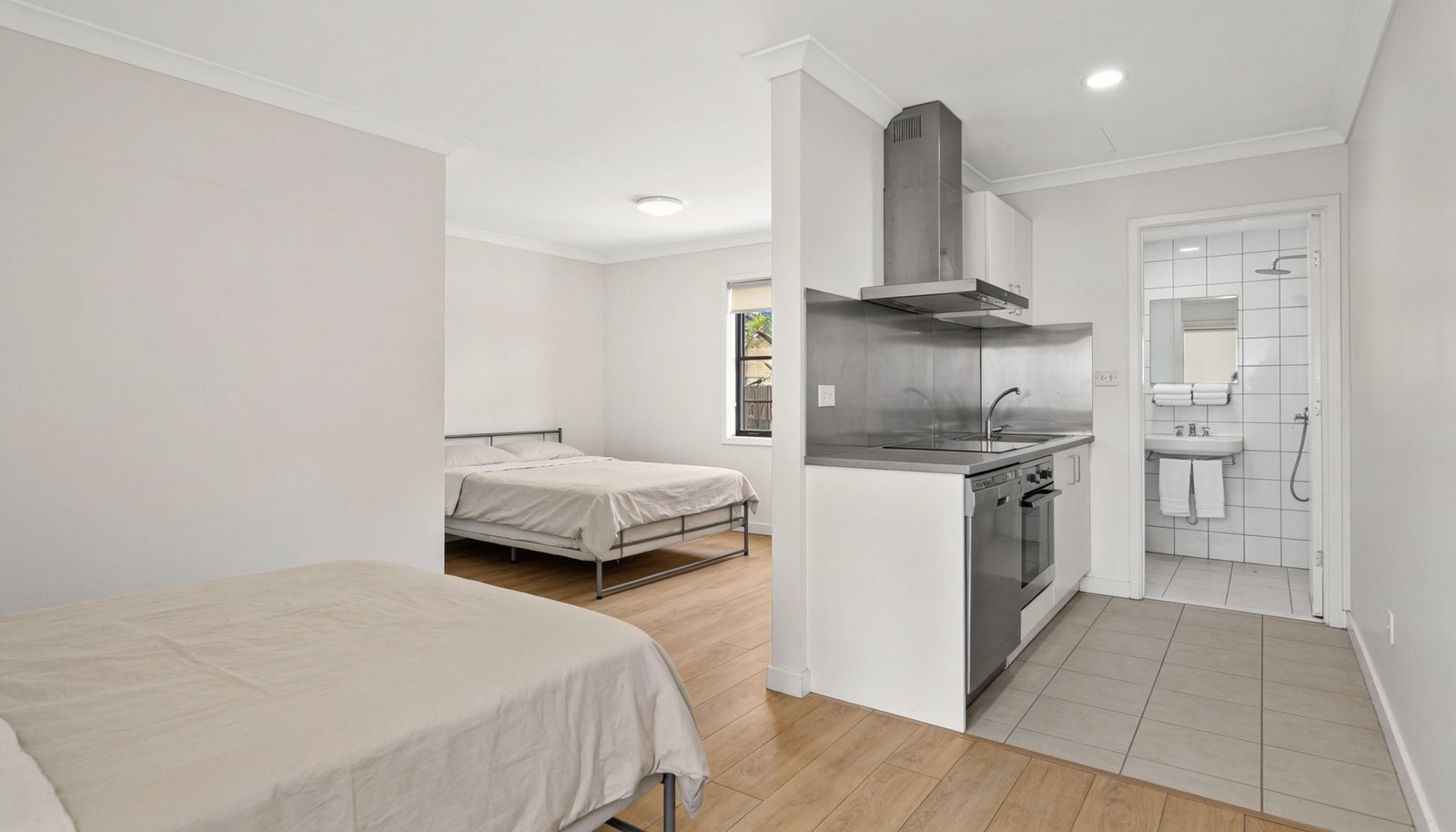
Before you hand over the keys to the new tenants or the landlord, it is useful to create a visual record of the property in its current condition. The photographs will help you avoid disputes over damage or missing items when you move out. They also give you a reference point should any future repairs be required.
Living area
The living room is the first space most people notice when they enter the property. Photograph the walls, floor and any built-in features from multiple angles. Include any visible marks, scuffs or paint touch-ups that may not be obvious at a casual glance.
If there are any fixtures such as shelving, picture them as they are installed. Take a close shot of any hardware that is attached to the wall, for example a hook or a bracket. Make sure to capture the condition of the ceiling and any exposed plasterboard.
If the space contains a fireplace, photograph the hearth, surround and any mantelpiece. Show the firebox and the surrounding wall in a single frame to document its overall state.
If the living area has a built-in wardrobe or storage unit, snap photos of the interior as well as the exterior. This helps record any scratches or dents that may occur during the move.
Finally, take a wide shot that shows the layout of the room and the position of major furniture pieces. This gives a clear idea of how the space is used and where any potential damage may have occurred.
If you have a sofa or other upholstered item, photograph the fabric and any visible wear. Include a close-up of any seams, buttons or cushions that might be of concern.
If the room contains a television or a sound system, capture the mounting points and any cable connections.
If the living area has a floor covering, photograph the surface from a distance and close-up any stains or tears.
If there are any decorative items such as a rug or a painting, photograph them in situ.
If the room contains a built-in lighting fixture, take a photo of the fixture and the surrounding wall.
If the room contains a window, photograph the frame and any visible damage to the sash.
If the room contains a door, photograph the door frame and any visible damage to the jamb.
- Walls, floor and built-in features.
- Fixtures such as shelving.
- Fireplace and hearth.
- Built-in wardrobe or storage.
- Overall layout and furniture.
- Television or sound system.
Storage areas
Storage areas such as a pantry or a small storage room should be photographed in full. Take a wide shot that shows the layout of the space and the position of any built-in shelving.
Photograph the interior of any cabinets or shelves, paying attention to any dents or scratches.
If the storage area contains a door, photograph the door frame and any visible damage to the jamb.
If the storage area contains a light fixture, photograph the fixture and the surrounding wall.
If the storage area contains a window, photograph the frame and any visible damage to the sash.
If the storage area contains a built-in storage unit, photograph the unit and the surrounding wall.
If the storage area contains a built-in shelving unit, photograph the shelves and any visible damage.
Utilities and fittings
The switchboard is a critical point of reference for any future electrical work. Photograph the switchboard from a distance and a close shot of the circuit labels.
If the property contains a water meter, photograph the meter and the surrounding wall.
If the property contains a gas meter, photograph the meter and the surrounding wall.
If the property contains a rubbish bin, photograph the bin and the surrounding wall.
If the property contains a heating unit, photograph the unit and the surrounding wall.
If the property contains a cooling unit, photograph the unit and the surrounding wall.
If the property contains a light fixture, photograph the fixture and the surrounding wall.
If the property contains a window, photograph the frame and any visible damage to the sash.
If the property contains a door, photograph the door frame and any visible damage to the jamb.
Exterior and common areas
The front door and the entrance area should be photographed from the outside and the inside. Photograph the door frame, the door itself and any visible damage to the jamb.
If the property contains a garden, photograph the garden beds, the fence and any visible damage to the fence.
If the property contains a balcony or a patio, photograph the surface and any visible cracks or damage.
If the property contains a driveway, photograph the driveway surface and any visible cracks or damage.
If the property contains a utility shed, photograph the shed and any visible damage to the walls.
- Front door and entrance.
- Garden beds and fence.
- Balcony or patio.
Having a clear visual record of the property can help you avoid disputes over damage or missing items when you move out. It also provides a useful reference for any future repairs or maintenance that may be required.



Join The Discussion