
 by
by 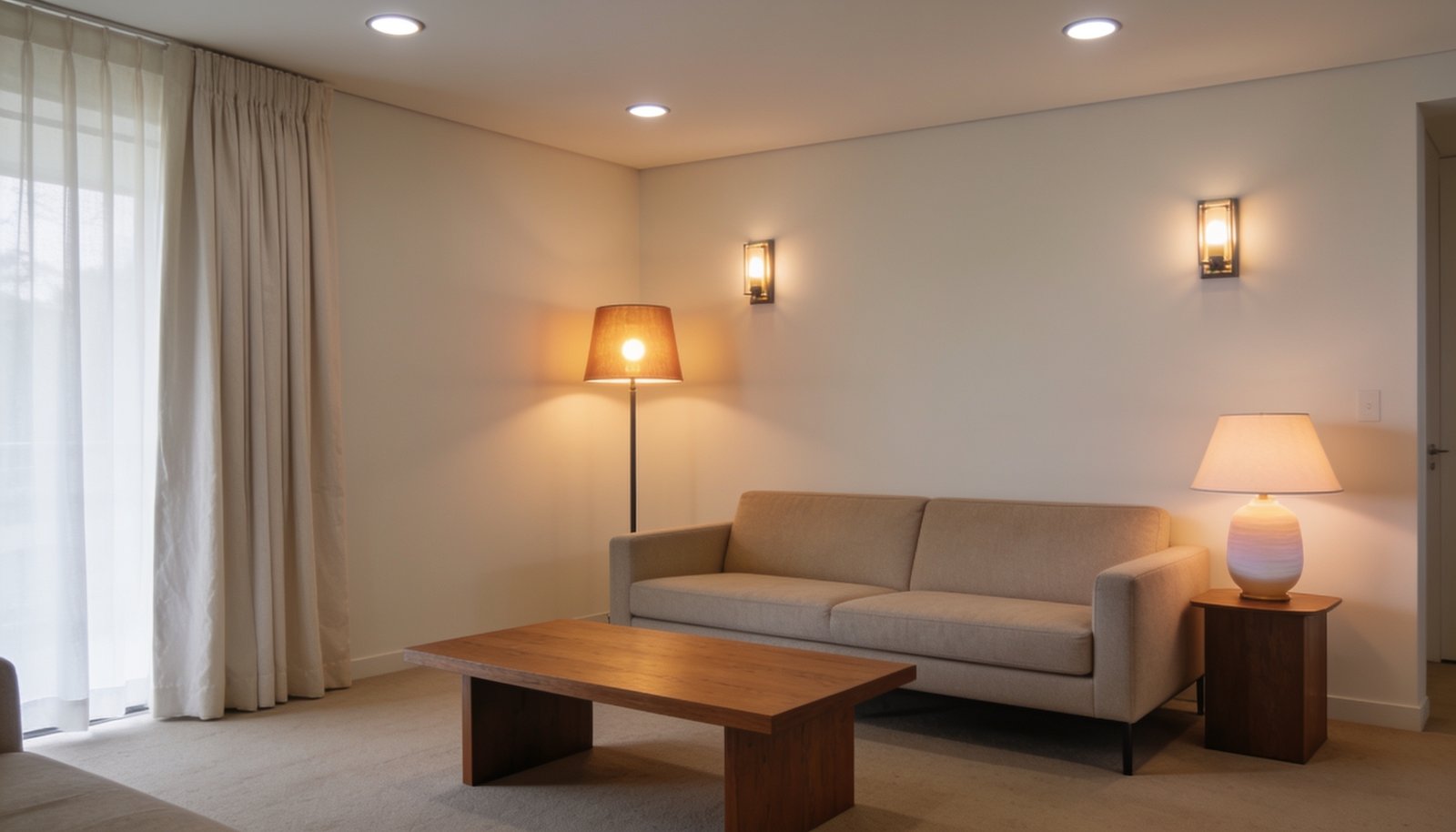
A room without natural light can feel closed off and dull. By choosing the right lighting strategy you can create a bright, welcoming space. The following guide gives practical steps that any Australian homeowner can follow. Lighting is about layering different sources to give depth and warmth. Each source should serve a purpose, whether it is task light, general illumination or accent. With careful planning you can make any dark room feel alive.
Choosing the Right Bulbs
The first decision is the type of bulb. LED bulbs are efficient and long lasting, and they give a bright, clear light. They can be dimmed, allowing you to adjust brightness for different times of day.
Use bulbs that emit a warm tone to avoid a harsh, clinical feel. A warm hue works well in living areas and bedrooms. Test a few shades before deciding on the final choice.
Colour temperature is important. A cooler light is good for work areas, while a warmer light is better for relaxation. Matching the bulb to the room’s purpose keeps the space comfortable.
Switching to LED also reduces the need for frequent replacements, saving time and effort over the years.
Avoid bulbs that flicker or have a yellowish tint, as they can strain the eyes. Consistency in lighting quality keeps the room looking polished.
When selecting bulbs, consider the fixture’s design. A simple, unobtrusive fixture blends with the room’s décor.
If you are unsure about the right wattage, choose a bulb that delivers sufficient light without being overpowering.
Remember that the bulb’s lifespan is a key factor in long-term maintenance.
Choosing the right bulb sets the foundation for a well-lit room.
It is also a small investment that pays off in energy savings.
The right bulb can transform a dark space into a bright, inviting area.
Start with these basics and the rest will follow naturally.
- Use LED bulbs.
- Select warm tones.
- Match colour temperature to purpose.
- Avoid flickering or yellowish bulbs.
- Choose fixtures that complement décor.
Layering Light Sources
A single light source is rarely enough. Layering creates depth and flexibility. Use a mix of ambient, task and accent lighting.
Ambient light provides overall illumination. Ceiling fixtures or recessed lights are common choices for this role.
Task lighting focuses on specific activities. Desk lamps or under-cabinet lights are useful in kitchens and work areas.
Accent lighting highlights features or creates mood. Small spotlights or string lights can add visual interest.
Each layer should be adjustable. Dimmer switches allow you to change the ambience without replacing fixtures.
Positioning is key. Place ambient lights high to spread light evenly. Task lights should be close to the work area.
Accent lights can be angled to draw attention to artwork or architectural details.
When combining layers, ensure they complement rather than clash. A harmonious blend keeps the room cohesive.
Layering also allows you to adapt the space for different occasions. Bright light for cooking, softer light for evenings.
This flexibility means the room can serve multiple purposes without major changes.
Layered lighting is a practical way to make a dark room feel alive.
It gives you control over the atmosphere at any time.
Start by identifying the primary function of each area and then add layers accordingly.
- Use ambient lighting for overall illumination.
- Add task lighting near work zones.
- Include accent lighting for mood and focus.
- Ensure fixtures are adjustable.
- Position lights to complement the room’s layout.
Choosing Fixture Placement
The placement of fixtures affects how light spreads. Ceiling fixtures should be positioned centrally to avoid shadows.
If the ceiling is low, consider fixtures that sit closer to the floor. This prevents glare and creates a warmer feel.
Wall-mounted fixtures add a subtle glow and can be placed at eye level. They are useful for reading areas.
Recessed lights are discreet and provide even coverage. They are ideal for rooms with a flat ceiling.
When placing fixtures, keep the room’s scale in mind. Larger rooms need more evenly spaced lights.
Avoid clustering lights in one corner. This can create uneven brightness.
Use a balanced layout to achieve a uniform look. A simple grid often works well.
If the room has a feature wall, consider placing a fixture above it to highlight the area.
The goal is to spread light evenly while highlighting key areas.
Proper placement reduces the need for additional lamps.
It also keeps the room tidy and uncluttered.
Start by mapping the room and deciding where light should fall.
Then choose fixtures that fit the chosen positions.
- Position ceiling fixtures centrally.
- Use wall-mounted lights at eye level.
- Recessed lights for flat ceilings.
- Balance fixture placement for uniform light.
Using Mirrors and Reflective Surfaces
Mirrors can amplify light by reflecting it across the room. Placing a mirror opposite a light source can brighten a darker corner.
Reflective surfaces, such as glossy tiles or polished wood, also help spread light. They bounce light rather than absorb it.
Avoid placing mirrors directly in front of a light source, as this can cause glare.
Instead, aim mirrors at walls or ceilings to maximise reflection.
Reflective décor items, like metal frames, add subtle brightness.
The use of mirrors should be intentional and not clutter the space.
A single well-placed mirror can reduce the need for extra lighting.
It also adds visual interest to the room.
When using mirrors, consider the room’s colour palette. Lighter hues reflect more light.
This simple trick can make a dark room feel more open.
Mirrors are a low-cost, low-effort way to enhance lighting.
They also serve as functional décor.
- Place mirrors opposite light sources.
- Use reflective tiles or wood.
- Aim mirrors at walls or ceilings.
- Choose light colours for better reflection.
Maximising Artificial Light with Colour
The colour of paint and furnishings influences how light is perceived. Light shades absorb less light and make the room feel brighter.
Choosing a light wall colour creates a reflective backdrop for artificial light.
Neutral tones work well with most lighting types. They keep the space calm and versatile.
Avoid deep, dark colours in rooms that rely solely on artificial light. They can make the space feel cramped.
Use accents in subtle shades to add depth without pulling light away.
Furniture with light upholstery reflects light better than dark fabrics.
Large pieces of dark furniture can absorb light, so balance them with lighter items.
Incorporating light-coloured accessories, such as cushions or rugs, enhances brightness.
Colour also affects mood. Warm tones feel cosy, while cooler tones feel fresh.
Match the colour scheme to the desired ambience.
Choosing the right colours is a simple way to make a room feel brighter.
It also allows you to control the lighting experience without changing fixtures.
Start by selecting light walls and then add accents that complement the theme.
- Paint walls in light shades.
- Use neutral tones for versatility.
- Avoid deep dark colours.
- Add light-coloured accessories.
- Match colours to desired mood.
When to Call a Professional
Some tasks involve electrical work that can be hazardous. If you are unsure about wiring or installing switches, seek professional help.
Installing recessed lights or a dimmer system may require a qualified electrician.
If the room has existing electrical infrastructure that is not easily accessible, a professional can assess the safest approach.
When dealing with large fixtures that need to be mounted on the ceiling, a professional can ensure they are securely fastened.
In situations where the lighting plan involves complex wiring or specialised fixtures, it is safest to hire a trade.
Professional help ensures compliance with safety standards and long-term reliability.
A qualified electrician can also advise on the best placement and type of fixture for your space.
When in doubt, it is better to get expert advice than risk damage or injury.
Professional assistance is a worthwhile investment for complex lighting projects.
It guarantees that the installation meets safety expectations.
It also provides peace of mind that the system will work correctly.
Consider a professional for any work that feels beyond your comfort level.
- Hire an electrician for wiring tasks.
- Seek professional help for recessed lights.
- Consult a trade for complex installations.
- Ensure fixtures are securely mounted.
- Prioritise safety over DIY attempts.
By combining the right bulbs, layering lights, and placing fixtures thoughtfully, a room can become bright and welcoming. A well-planned lighting scheme turns a dark space into a functional, comfortable area.



Join The Discussion