
 by
by 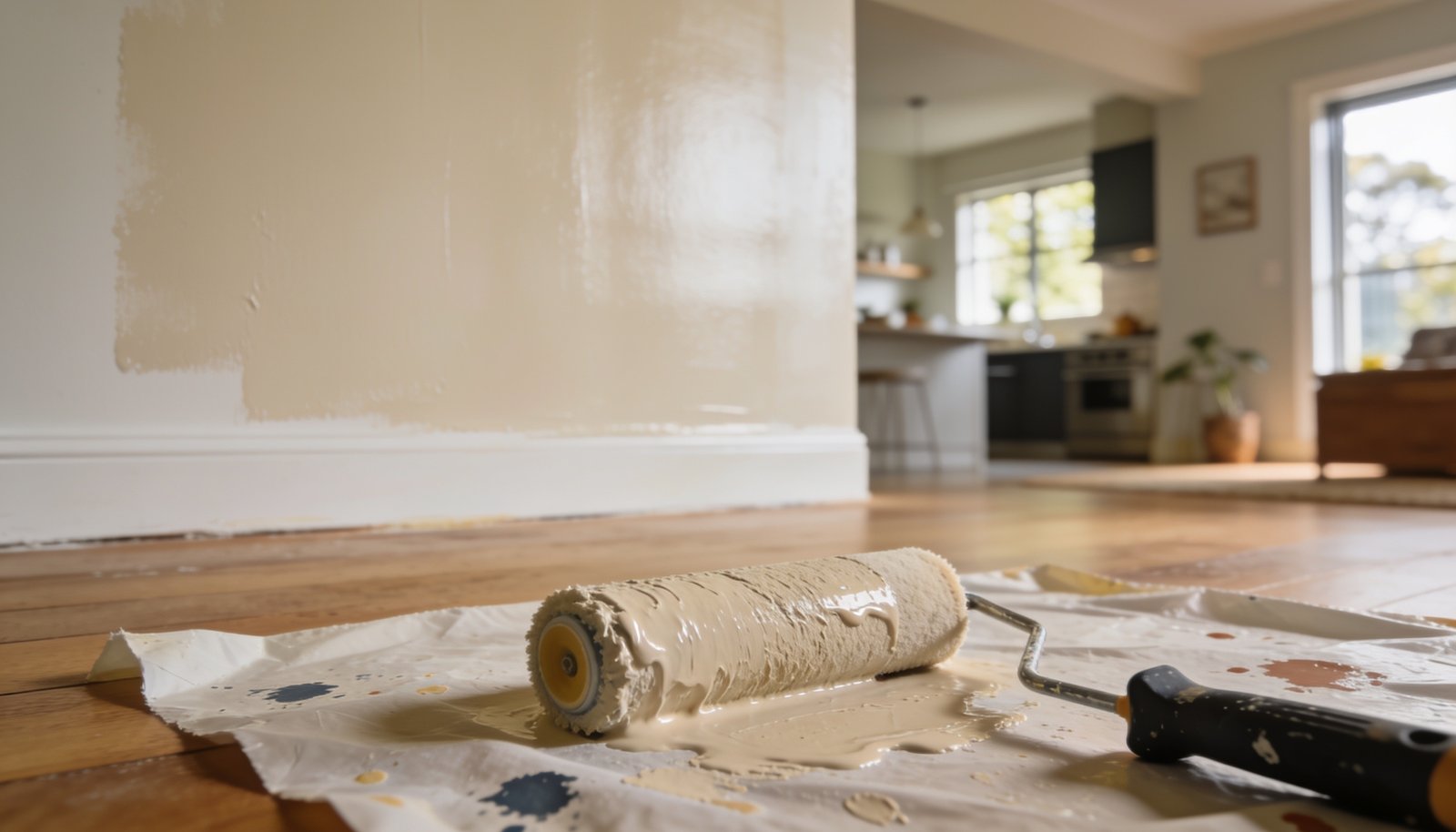
Choosing paint colours for Queensland homes requires an understanding of how sunlight changes across the day. The bright, often harsh light can make a colour look very different from a shaded corner to a sunny window. A thoughtful selection can enhance the feel of a room and protect surfaces from fading.
Understand the Light Cycle
Queensland mornings bring a soft, golden glow that can soften muted tones. Midday light is intense and can make cool colours appear stark and bright. Evening light tends to warm up reds and oranges, adding depth to the space.
Observing a room at different times helps predict how a paint will sit in real life. Mark the corners that receive the most sun and those that stay shaded. Use this map to decide where to apply lighter or darker shades within the same room.
Avoid placing the main colour on a wall that only receives brief afternoon light. Instead, choose a neutral base that will look stable throughout the day. Add accent colours on walls that get steady sunshine for a pop of interest.
Use a small sample board. Place it in the room. Watch it over a week.
Select a Neutral Base
Neutral tones such as warm greys, soft beiges or gentle taupes work well under Queensland light. They absorb and reflect sunlight without shifting dramatically. A stable base allows accent colours to stand out without clashing.
A light neutral keeps a room feeling airy and bright during the day. It also balances the strong glare that can occur in the afternoon. Choosing a base that is neither too dark nor too bright reduces the need for frequent touch-ups.
Choose a light warm grey.
Add Warm Accent Colours
Warm accent shades such as terracotta, muted orange or soft coral look inviting under bright sun. They add depth without overwhelming the space. Using them on a single wall or in trim can create a focal point.
Position warm accents on walls that receive steady sunlight. This ensures the colour remains vibrant and not washed out. It also helps to anchor the room visually.
Use terracotta on a feature wall. Use muted orange on trim. Use soft coral on a small accent wall.
Consider Cool Secondary Colours
Cool shades such as sage green, muted blue or soft lavender provide contrast to warm accents. They work well on walls that stay shaded or receive morning light. A cool secondary can bring a sense of calm to a bright space.
Apply cool colours to areas that are less exposed to direct sun. This prevents the paint from becoming too bright or glaring. It also balances the warmth of the primary and accent colours.
Use sage green on a shaded wall. Use muted blue on a secondary feature. Use soft lavender on a small accent.
Choose the Right Finish
A satin or semi-gloss finish reflects light and is easier to clean. It protects surfaces from the high humidity and salt spray common in coastal Queensland. A flat finish hides imperfections but may show fingerprints more readily.
Select a finish that matches the room function. Living areas and kitchens benefit from a reflective finish for easier maintenance. Bedrooms and hallways can use a softer finish for a more relaxed feel.
Use satin on kitchen walls. Use semi-gloss on bathroom walls. Use flat on bedroom walls.
Test in Natural Light
Apply a small test patch on each wall before committing. Leave the paint to dry fully and observe it after sunrise, midday and sunset. Make note of any colour shift and decide whether to proceed or try another shade.
Testing in natural light removes guesswork. It ensures the chosen colour remains true over time. If a colour shifts too much, consider a different hue or a more muted tone.
- Apply a test patch.
- Observe at sunrise.
- Observe at midday.
- Observe at sunset.
Maintain and Refresh
Regular cleaning keeps paint looking fresh. Use a soft cloth and mild detergent for surfaces that get light exposure. If a colour fades, repaint the area to match the original base.
Repainting should be done by a professional if large areas are involved. Small touch-ups can be handled by a DIYer with the right tools. Keeping a small stash of paint in the garage allows quick fixes.
Use a soft cloth for cleaning. Store spare paint in the garage.
Choosing paint colours that work well with Queensland light is a practical process that starts with observation. With careful selection and regular maintenance, a home can stay bright, inviting and enduring for years.


Join The Discussion