
 by
by 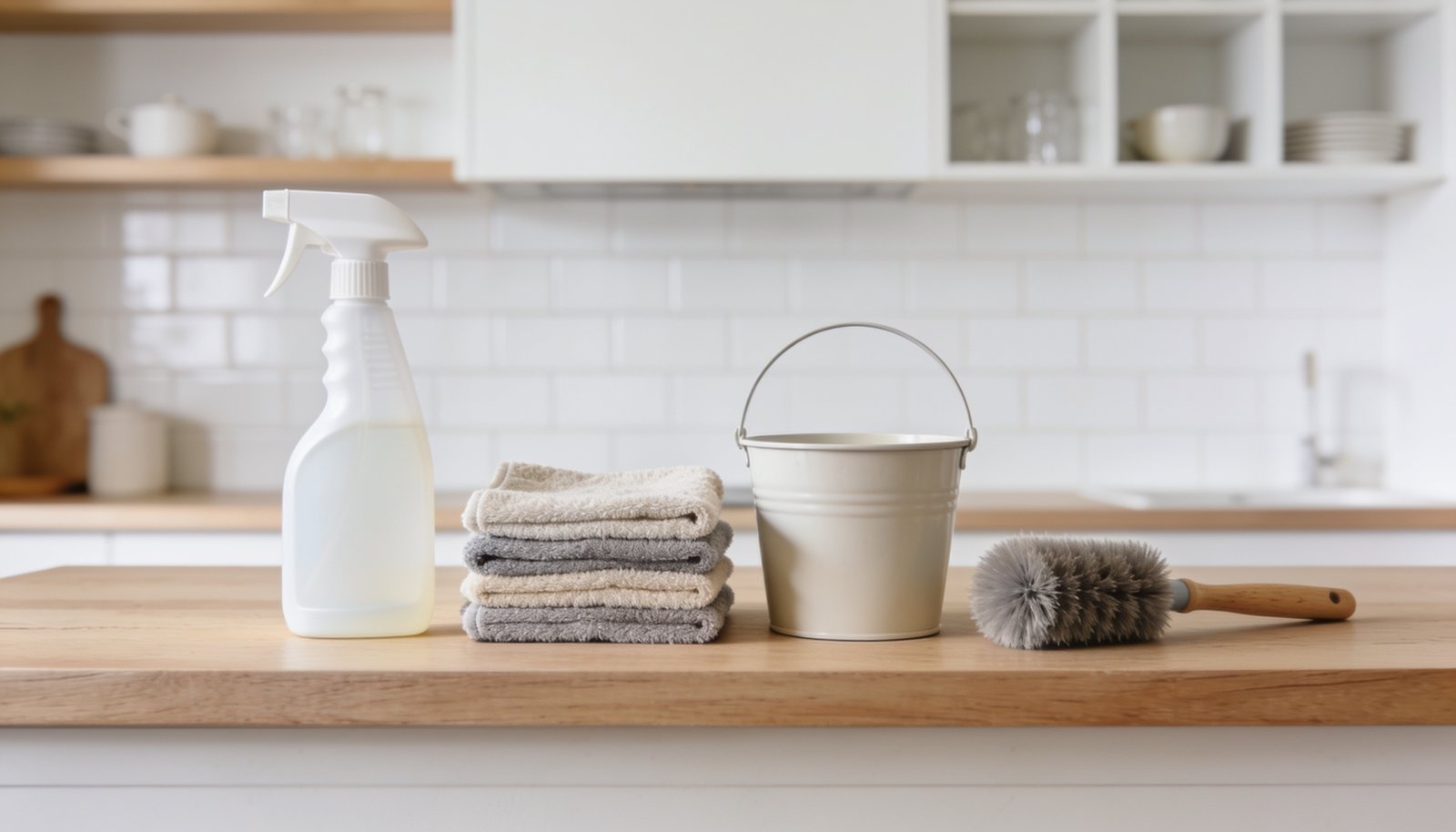
Cleaning a rangehood filter is a routine task that keeps the kitchen smelling fresh. It also prevents grease build-up from damaging the appliance and reducing its efficiency. A simple, regular cleaning routine can save time and effort in the long run.
Locate the Filter
Most rangehoods have a removable filter that sits beneath the cooking surface or behind the front panel. You can usually slide the filter out by pulling it gently from the side or back, depending on the design. Once it is out, lay it on a clean surface so it does not get dirty again before you start cleaning.
Check the filter for any visible grease or food residue; this will give you an idea of how deep a clean is needed. If the filter looks very dirty, you may want to soak it before scrubbing to loosen the grime. Make sure the filter is completely dry before reinstalling it to avoid any water damage.
A clean filter also improves airflow, which means the rangehood can pull fumes more effectively. This helps keep the kitchen environment safer and more comfortable. It also reduces the chance of a fire hazard caused by accumulated grease.
If your rangehood has multiple filters, repeat the process for each one. Some models have a top and a bottom filter, and both should be cleaned regularly. Keeping all filters clean ensures the appliance runs at its best.
If you are unsure whether the filter is removable, consult the appliance manual or contact a professional for guidance.
When you remove the filter, note any small parts that may have come with it, such as clips or brackets, so you can reattach them correctly.
Having the filter removed also makes it easier to see any damage or wear that might need replacement.
If the filter is plastic, avoid using abrasive tools that could scratch it.
A smooth surface will be easier to clean and will last longer.
Keep the filter in a safe place until you are ready to clean it.
- Remove the filter carefully.
- Inspect for grease.
- Soak if needed.
Prepare a Cleaning Solution
Fill a basin with warm tap water and add a small amount of dish soap. The soap should be mild and non-toxic, suitable for kitchen surfaces. Stir the water gently to create a soapy mixture that will lift grease.
Avoid using harsh chemicals or high-strength cleaners, as they can damage the filter material.
If the filter is very greasy, let it soak for a while before scrubbing.
The soaking time should be enough to loosen the grime but not so long that the filter becomes warped.
Use a soft brush or sponge to scrub the filter after soaking.
Work in circular motions to remove all the grease from the surface.
Rinse the filter thoroughly with clean tap water to remove all soap residue.
Check the filter for any remaining grease; if it still looks oily, repeat the soaking and scrubbing.
A clean filter should feel free of any sticky residue when you touch it.
Allow the filter to dry completely before re-installing it.
Dry and Inspect
Lay the filter on a clean towel or a drying rack to air dry.
Ensure it is positioned so that water can drain freely and does not pool on the surface.
After drying, examine the filter for any cracks or warped areas that might have formed during cleaning.
If you find any damage, it may be safer to replace the filter rather than risk reduced airflow.
A damaged filter can also trap grease and increase fire risk.
If the filter appears intact, you can proceed to reinstall it.
Make sure the filter fits snugly in its slot to avoid any gaps.
A properly seated filter ensures optimal performance and protects the appliance.
If it does not fit, double-check that it is the correct type for your model.
Re-installation should be done carefully to avoid bending the filter again.
Once the filter is in place, test the rangehood to confirm it is operating normally.
If it sounds unusually loud or sluggish, you may need to check other components or seek professional help.
Regular cleaning will help maintain smooth operation over time.
Keep the surrounding area clean to prevent new grease from accumulating quickly.
A tidy kitchen is easier to maintain and safer.
Repeat this cleaning routine every few weeks to keep the rangehood efficient.
A clean filter also improves the lifespan of the appliance.
Storing the filter properly when not in use can prevent dust build-up.
Consider placing a small towel or cloth near the filter area to catch any drips.
This simple step can keep the kitchen floor cleaner.
Overall, a clean filter contributes to a healthier cooking environment.
Maintain a Regular Schedule
Set a reminder in your calendar to clean the filter every few weeks.
The frequency may vary depending on how often you cook and the type of food you prepare.
If you frequently cook oily dishes, you may need to clean more often.
If you cook less often, a monthly clean may suffice.
Keeping a consistent schedule helps prevent grease from hardening and becoming difficult to remove.
A well-maintained filter also keeps the kitchen smelling fresh.
It reduces the need for deep cleaning later on.
If you notice a build-up, clean sooner rather than later.
Regular cleaning also reduces the risk of fire hazards caused by grease accumulation.
A clean filter contributes to safer cooking practices.
It also means the rangehood will use less energy to operate.
Energy savings can add up over time.
Make cleaning part of your routine, just like washing dishes or wiping down surfaces.
This helps keep the kitchen environment safe and pleasant.
A tidy kitchen is easier to enjoy and maintain.
You may find that cleaning becomes a quick task once you establish a habit.
The effort saved over time is worth the initial setup.
Keep the cleaning supplies handy near the rangehood for convenience.
A small storage box or drawer can hold the necessary tools.
Having everything within reach makes the task less burdensome.
A clean kitchen is a source of pride for any household.
- Set a reminder.
- Adjust frequency as needed.
- Clean before grease hardens.
- Keep supplies handy.
- Make it part of routine.
When to Call a Professional
If you notice that the filter does not fit correctly after cleaning, it may be time to replace it.
Replacing a filter is a straightforward task, but if you are unsure, a professional can ensure it is done correctly.
If the rangehood continues to operate poorly after cleaning, there may be other issues.
These could involve the motor or the fan blades.
A professional can diagnose and repair such problems safely.
If you are not comfortable working with electrical components, it is best to seek expert help.
Safety should always come first when dealing with appliances.
A qualified technician can also check the overall condition of the rangehood.
They can advise on any necessary maintenance beyond the filter.
Regular professional checks can extend the life of the appliance.
If you notice any unusual noises or smells, contact a professional promptly.
Ignoring such signs can lead to larger problems down the line.
Professional service ensures that the rangehood remains safe and efficient.
It is a worthwhile investment for peace of mind.
Always follow safety guidelines when working near electrical components.
Use a non-metallic tool to avoid accidental contact with live parts.
If you are unsure about any step, it is better to wait for professional assistance.
A safe kitchen is a happy kitchen.
Professional help can save time and prevent potential hazards.
Stay safe and keep your kitchen running smoothly.
- Seek help if filter misfits.
- Contact professional for motor issues.
- Avoid working with live parts.
- Use non-metallic tools.
Keep the Area Clean
After removing the filter, wipe down the surrounding area with a damp cloth.
This removes any splattered grease or food particles that may have fallen during the cleaning process.
A clean surface reduces the chance of new grease building up quickly.
Use a mild detergent if necessary, but avoid harsh chemicals.
Dry the area with a clean towel to prevent water spots.
A tidy rangehood area also makes the appliance look better.
It contributes to an overall cleaner kitchen environment.
You may also want to check the venting system for any visible blockages.
Clear venting ensures proper airflow and reduces the risk of smoke accumulation.
If you notice any blockages, remove them carefully.
If you are unsure how to do this safely, contact a professional.
Maintaining a clean venting system complements the filter cleaning routine.
It helps keep the kitchen safe and efficient.
Regular attention to the area around the rangehood keeps the kitchen looking and smelling fresh.
A clean kitchen is a pleasant place to cook.
It also reduces the need for deep cleaning later on.
Keeping the area tidy is a small effort with big benefits.
A clean kitchen promotes healthier cooking habits.
It encourages you to cook more often and enjoy the process.
A tidy environment is a joy for any household.
- Wipe surrounding area.
- Use mild detergent.
- Seek professional if unsure.
Keeping a rangehood filter clean is a simple, effective way to maintain kitchen safety and comfort. Regular attention to this task ensures a pleasant cooking environment for years to come.


Join The Discussion