
 by
by 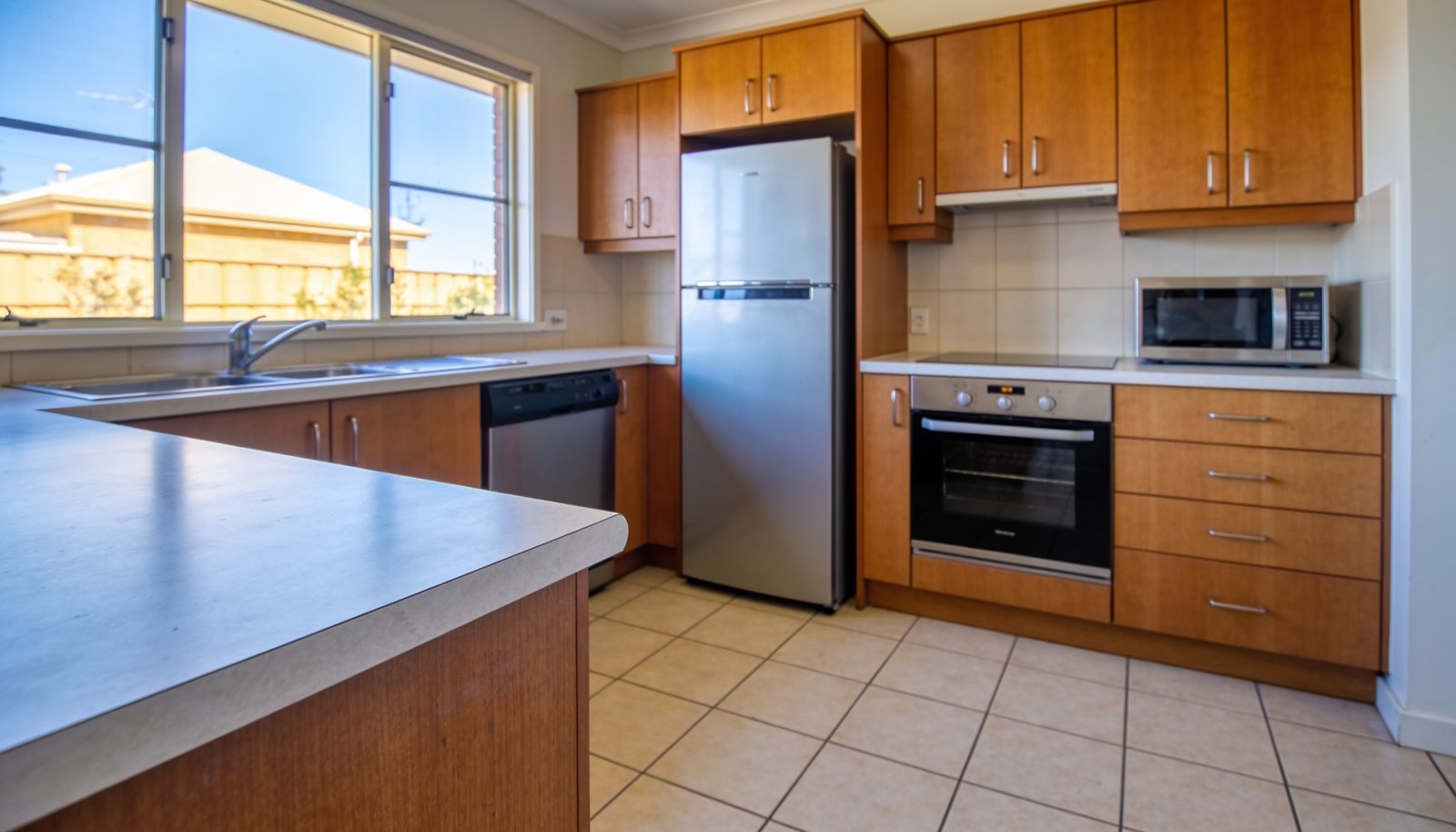
In most Australian kitchens the hidden energy costs come from everyday appliances and habits that often go unnoticed. Understanding where the power is spent can help you make small changes that add up over time. By looking at the kitchen as a whole, you can spot the biggest energy culprits and learn practical ways to reduce them.
Electric Range and Oven
The electric range is a major draw on the kitchen’s power supply, especially when it is used for cooking meals or baking. Its heating elements consume a lot of power during normal use, and the oven stays hot for a long time after cooking. Keeping the range clear of excess food and using the correct size of cookware can help minimise the energy required to reach the desired temperature.
Using a lid while cooking can reduce the time the range runs, as heat is trapped inside the pot or pan. If you find yourself using the oven for short tasks, consider whether a microwave or toaster oven might be sufficient instead of the larger appliance. Regularly cleaning the heating elements removes grease that can interfere with efficient heating.
Use a lid to trap heat. Keep cookware the right size. Consider smaller appliances for quick tasks.
Refrigerator and Freezer
The refrigerator and freezer are on all the time, cycling on and off to keep food cool. Their compressors run frequently, and any gaps or leaks can force them to work harder. Ensuring that the doors close fully and that the seals are intact helps maintain efficient operation.
Placing large containers in the back can improve air circulation, reducing the load on the compressor. Avoid overloading the unit, as this can block airflow and cause the compressor to run longer. When the fridge is empty, use a fan to circulate air and keep the temperature steady.
Use a fan when empty.
Water Pump and Hot Water Cylinder
The water pump that supplies hot water to the kitchen tap uses power whenever hot water is drawn. If the cylinder is set to a high temperature, the pump runs more often to maintain that level. Lowering the temperature setting can cut the pump’s runtime without affecting everyday use.
Installing a tap with a reduced flow rate can lessen the demand on the pump, as less hot water is needed for washing dishes or handwashing. Checking for leaks in the hot water pipes reduces the need for the pump to compensate for lost heat. When the cylinder is empty, the pump works harder to reheat the water, so keeping the cylinder full helps.
Use a reduced flow tap.
- Lower temperature setting.
- Check for leaks.
- Keep cylinder full.
Dishwasher and Washing Machine
Both appliances draw significant power during their wash cycles, especially when heated water is used. Running them only when full reduces the number of cycles needed and the total energy consumed. Choosing a cycle that matches the load, for example, a light wash for lightly soiled dishes, saves power.
Unloading the dishwasher promptly prevents the appliance from running a dry cycle, which uses extra energy. If the washing machine is used for small loads, consider using a manual wash instead of a full cycle. Using cold water for washing reduces the energy needed for heating.
- Run only when full.
- Match cycle to load.
- Use cold water.
Lighting and Switches
Lighting can account for a sizeable portion of kitchen energy use, especially with older bulbs. Replacing old bulbs with newer, lower energy types reduces the load on the circuit. Using motion sensors or timers can ensure lights are only on when needed.
Installing a dimmer or using a dimming switch allows you to reduce light intensity without changing the bulb type. Keeping switches off when the kitchen is not in use cuts standby power draw. If you have a kitchen island with a built-in light, consider turning it off when not cooking.
Turn switches off when not needed.
Ventilation and Extract Fans
The kitchen extractor fan removes heat and moisture, but it also draws power from the mains. Running the fan only when cooking or after a meal reduces unnecessary energy use. Ensuring the fan is the correct size for the kitchen space helps it operate efficiently.
Cleaning the fan blades and filter removes buildup that can hinder airflow and force the motor to work harder. If the fan has a timer, set it to run for a short period after cooking rather than continuously. When the kitchen is well ventilated by natural airflow, the fan can be used less often.
Run fan only when needed. Rely on natural airflow when possible.
Appliance Placement and Power Strips
Placing appliances close to the main switchboard reduces the length of wiring needed, which can lower power loss. Using a single, well-rated power strip for multiple devices prevents overloading individual circuits. Avoid daisy-chaining power strips, as this can create a safety risk and increase power draw.
If an appliance is far from the main switchboard, consider installing a dedicated outlet nearby to reduce cable length. When using a power strip, ensure it has a built-in fuse or circuit breaker for added safety. Regularly inspect power strips for frayed cords or damaged plugs before use.
Use single rated power strip. Install dedicated outlet if far.
Maintenance and Regular Checks
Routine maintenance of kitchen appliances keeps them running efficiently. Checking that the fridge coils are clean, the oven door seals are intact, and the range burners are level helps maintain performance. If you notice any appliance running unusually hot or making noise, stop using it and seek professional help.
Keeping the kitchen tidy reduces the load on appliances, as they do not have to work as hard to reach temperatures. Storing food properly in the fridge and freezer prevents the compressor from running longer than necessary. When appliances are old or consistently inefficient, replacing them with newer, more efficient models can be a worthwhile investment.
Check for unusual noise or heat. Replace old inefficient appliances when needed.
By focusing on these everyday habits and maintenance steps, you can reduce the power draw of your kitchen without making major changes. A small commitment to efficient use and regular checks keeps your household running smoothly and saves energy over time.


Join The Discussion