
 by
by 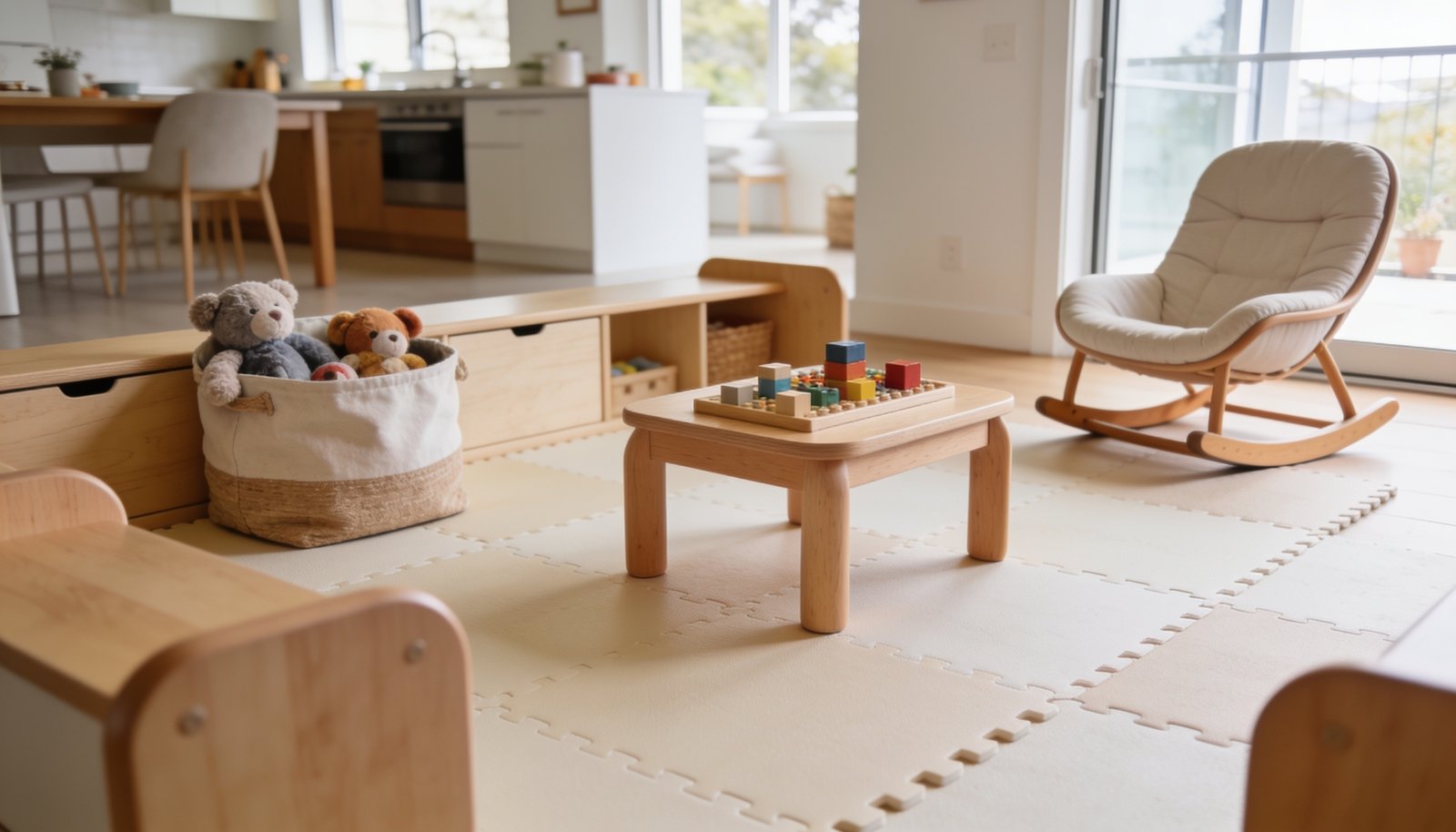
Setting Up a Safe Indoor Play Area for an Active Toddler
Creating a dedicated indoor environment where active toddlers can explore and move freely requires careful planning. As young children develop mobility, common household items and room features can pose unexpected safety risks. By following government-backed safety standards and systematically controlling potential hazards, parents and carers can set up an indoor play space that supports active play while reducing the likelihood of injuries.
Securing Heavy Furniture and Televisions
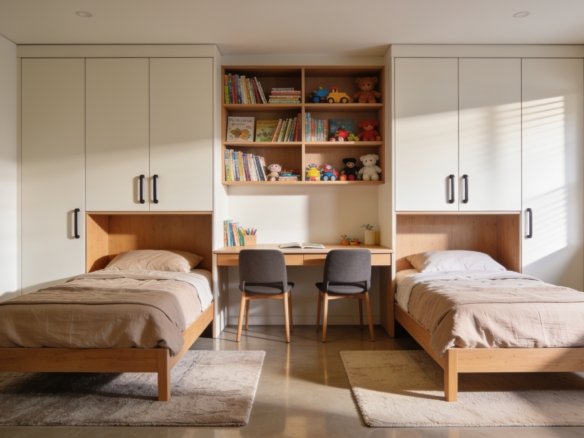
Active toddlers naturally climb on furniture to reach items or test their physical abilities. Unsecured bookcases, shelving units, entertainment units, and televisions present significant toppling hazards that can lead to severe crushing injuries. According to Product Safety Australia, heavy furniture and televisions must be anchored securely to walls.
To eliminate toppling risks, evaluate every piece of tall or heavy furniture in or adjacent to the designated play area. Wall anchors, brackets, or heavy-duty straps should be used to fix items directly into wall studs or solid masonry. Televisions should either be mounted firmly to the wall or anchored securely to a stable, fixed surface. Never rely on the weight of a piece of furniture alone to keep it upright, as a toddler pulling open a drawer or climbing a shelf can easily shift the center of gravity and cause the item to fall forward.
Managing Window Coverings and Blind Cords
Loose or dangling cords on blinds and curtains represent a serious strangulation hazard for young children. Australia maintains mandatory safety standards enforced by the ACCC for corded window coverings to mitigate this danger.
When preparing a room for active play, examine all window treatments. Ensure that any corded window coverings comply fully with mandatory safety standards. Cords must be kept out of reach of toddlers at all times. Cleats or tension devices can be installed to wrap or secure loose cords high above the floor, ensuring no loops are accessible to a child. When arranging the room, position furniture, play equipment, and soft items far away from windows so that toddlers cannot climb up to access blind or curtain cords.
Preventing Indoor Falls with Window Locks and Impact Flooring
Falls are among the most common causes of indoor injuries for active toddlers. Preventing serious harm involves addressing both elevated drop points and the impact surfaces on the floor.
Installing Window Safety Locks
Windows in play areas pose a severe risk of falls, especially if an active toddler climbs onto a windowsill or nearby furniture. Standard flyscreens are designed to keep insects out and are not strong enough to prevent a child from falling through an open window. Installing window safety locks is strongly recommended to restrict window openings to a safe width, ensuring toddlers cannot fall through or dislodge the screen.
Adding Soft Impact Surfaces
Active play inevitably involves tripping, tumbling, and losing balance. Hard flooring surfaces like timber, tile, or concrete can aggravate fall injuries. To cushion impacts, install soft impact flooring throughout the primary play area. Interlocking foam mats, thick play mats, or non-slip rugs provide effective cushioning to absorb shocks from everyday tumbles. Ensure that rugs or mats have non-slip backing or grippers underneath to prevent them from sliding across the floor when a toddler runs or jumps.
Defining Safe Boundaries with Safety Gates
Establishing clear spatial boundaries prevents toddlers from wandering into hazardous areas of the home, such as kitchens, stairwells, or utility spaces. Safety gates allow parents to create defined, hazard-free zones dedicated entirely to play.
Position safety gates at doorways, hallway openings, or the top and bottom of stairs to restrict access to potentially dangerous rooms. Gates should be securely fixed according to manufacturer instructions. By containing play within a fully prepared space, you minimize the need to constantly monitor adjacent hazardous areas while allowing the child the freedom to move independently within a secure zone.
Controlling Electrical Hazards
Active toddlers are curious about their surroundings and often explore low-level room features with their hands. Unprotected power outlets, loose electrical cords, and exposed power boards pose electrical hazards within any play environment.
Inspect the lower perimeter of the play space to identify all exposed electrical points. Cover unused power outlets with protective safety caps or outlet covers to prevent children from inserting objects. Keep power boards hidden behind secure barriers or mounted out of reach, and neatly bundle loose appliance cords so they cannot be pulled, tripped over, or chewed on.
Important Safety Considerations and Disclosures
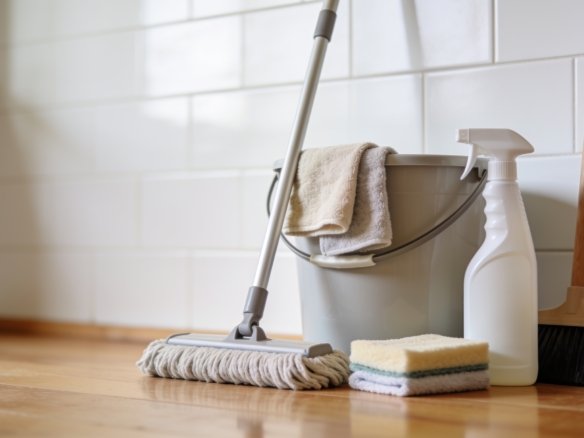
When modifying a home to improve child safety, keep in mind that no equipment or layout eliminates the need for adult supervision. Equipment or fixtures should never be regarded as completely childproof or impenetrable. Furthermore, avoid mixing household chemicals or cleansers when preparing or maintaining play equipment and surfaces.
Please note that major structural modifications or electrical work within a property may require professional, licensed trade intervention. The guidance provided in this article is intended for general household safety planning only and does not replace professional medical or legal advice.
Join The Discussion