
 by
by 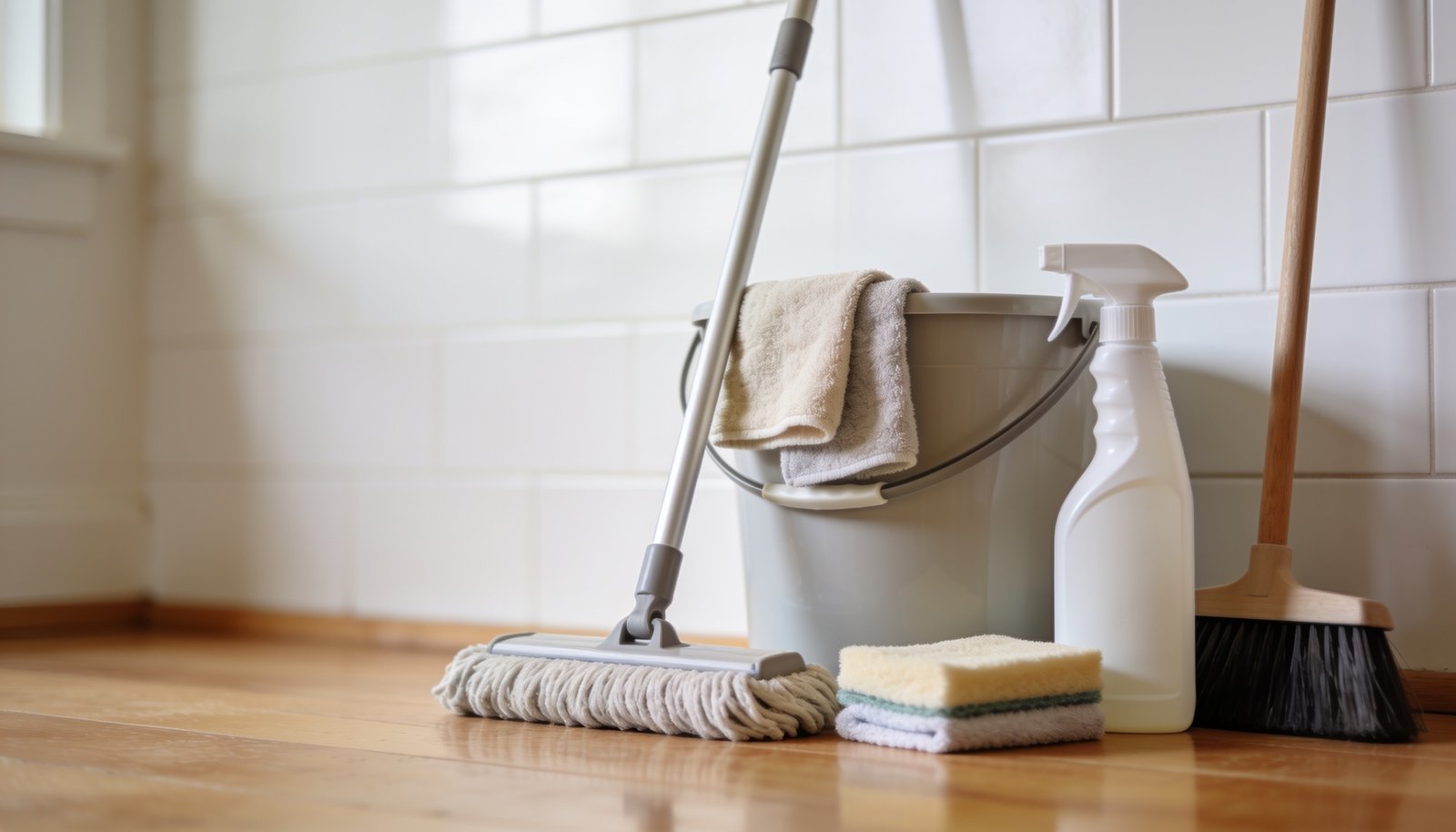
When you have cleaning chemicals in the house, keeping them out of reach of children is essential. A safe storage area protects the family and prevents accidental spills or exposure. Planning the space carefully makes it easier to maintain and safer for everyone.
Choosing the Right Spot
The safest place for a chemical storage area is a room that is dry and well ventilated. It should be away from high traffic areas and not near any heat sources. Selecting a spot that is easy to lock helps keep curious children out.
The room should have a door that can be closed and a lock that is not easily opened by a child. If the door is not lockable, consider a lockable cabinet inside the room. Make sure the space is not too small so that items can be arranged without clutter.
The floor should be non-porous and easy to wipe down if a spill occurs. Avoid placing the storage area near the kitchen or laundry where moisture can rise. A dedicated area reduces the chance of chemicals mixing with other household items.
If the house has a hallway cupboard that is out of reach, it can serve as a suitable location. Ensure that the cupboard is sturdy and can hold the weight of the chemicals safely. A stable base prevents accidental tipping or falling.
- Use a lockable door.
- Choose a dry area.
- Avoid heat sources.
- Keep floor non-porous.
Securing the Cabinet
A cabinet with a child-proof lock is the first line of defence. The lock should be simple enough for an adult to operate but difficult for a child to pick. Placing the cabinet in a low-to-high position keeps it out of reach of toddlers.
If the cabinet does not have a lock, add a lockable door or a safety latch. Check that the latch is not easily opened by a small hand or a toy. The cabinet should be heavy enough that it cannot be moved by a child.
Use a cabinet with a lock that can be opened from the inside only. This prevents accidental opening from the outside while still allowing easy access for adults. If the lock is too complex, consider a simpler alternative that still offers security.
Avoid using a cabinet that is too shallow; a deeper cabinet allows more items to be stored safely.
- Install child-proof lock.
- Position cabinet low to high.
- Use heavy cabinet.
- Avoid shallow cabinets.
Labeling and Organisation
Clear labels on each container help identify contents quickly. Use large, legible text and avoid using symbols that a child might interpret incorrectly. Labels should be placed on the front and side of each bottle for easy visibility.
Group similar chemicals together to reduce the risk of accidental mixing. Keep acids separate from bases and keep all cleaning agents in one area. This arrangement makes it easier to locate items and prevents accidental spills.
Arrange items so that heavier bottles are at the bottom and lighter ones on top. This reduces the chance of a bottle toppling over if a child reaches for it. Check regularly that the arrangement remains stable.
Maintain a tidy shelf by removing unused or expired chemicals promptly. An organised space reduces clutter and makes it easier to spot potential hazards.
- Use large labels.
- Group similar chemicals.
- Heavier items at bottom.
- Remove expired items.
Ventilation and Spill Management
Ensure the storage area has adequate ventilation to prevent fumes from building up. A small fan or a window that can be opened helps keep the air clear. Ventilation also reduces the risk of chemical fumes affecting the rest of the house.
Place a spill mat or a tray beneath the cabinet to catch any accidental leaks. Choose a mat that is easy to clean and can be washed if it becomes contaminated. Check the mat regularly for signs of wear or residue.
Keep a small bucket of water and a cloth handy for quick clean-ups. Having these supplies nearby speeds up the response to a spill. Dispose of any contaminated material in a safe manner.
If the storage area is in a room that is not naturally ventilated, consider installing a ventilation fan.
- Place spill mat.
- Keep bucket and cloth.
- Install fan if needed.
Child Safety Measures
Teach children that cleaning chemicals are for adults only and should never be touched. Use simple language to explain why they must stay away from the storage area. Reinforce this rule every time a child approaches the cabinet.
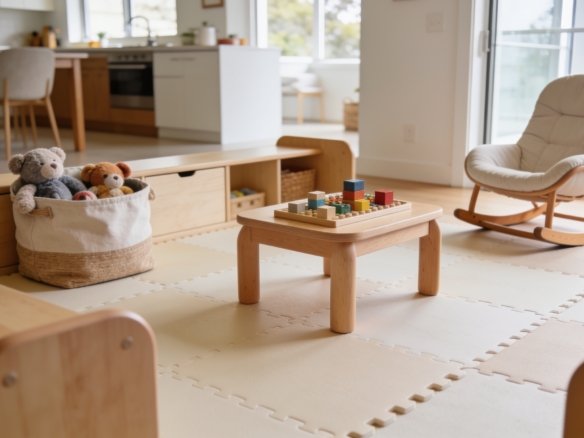
Place a decorative barrier or a play mat in front of the cabinet to discourage curious hands. Make the barrier visible and sturdy so it cannot be moved easily. This physical reminder helps children remember the rule.
If a child is old enough to understand, involve them in checking the cabinet for safety. Show them how to close the lock properly and why it matters. Their participation can increase compliance.
Regularly inspect the lock and the cabinet to ensure they remain secure and functional.
- Teach children not to touch.
- Use decorative barrier.
- Involve children in safety checks.
- Inspect lock regularly.
Maintenance and Regular Checks
Schedule a routine check of the storage area to ensure everything remains in order. Look for signs of wear on the lock, cracks in the cabinet, or any leaks from containers. Address any issues immediately to maintain safety.
Replace any damaged containers or labels before they become a hazard. Check that all containers are tightly sealed and that no liquid is escaping. A well-sealed container reduces the risk of accidental exposure.
Keep a simple log of when checks are performed and what was found. This record helps you remember when to perform the next inspection. It also provides a reference if a problem arises later.
If you notice a chemical becoming unstable or a container cracking, remove it from the area immediately.
- Schedule routine checks.
- Replace damaged containers.
- Keep a simple log.
- Remove unstable chemicals.
When to Call a Professional
If the storage area requires electrical work, such as installing a ventilation fan, contact a qualified electrician. Do not attempt to install electrical components yourself if you are unsure. A professional ensures the work is done safely and correctly.
Should you need to dispose of large amounts of chemicals, seek advice from a licensed waste service provider. Improper disposal can create hazards for the household and the environment. Professional services handle chemicals safely.
If the cabinet is structurally unsound or the lock mechanism fails, consider hiring a tradesperson to repair or replace it. A professional can assess the safest solution for your specific situation.
Always follow the advice of professionals when dealing with hazardous materials.
- Hire electrician for ventilation.
- Seek licensed waste disposal.
- Hire tradesperson for repairs.
- Follow professional advice.
A well-planned storage area keeps cleaning chemicals safe from children and reduces the risk of accidents. By following these practical steps, you create a secure environment that protects the whole family.
Join The Discussion