
 by
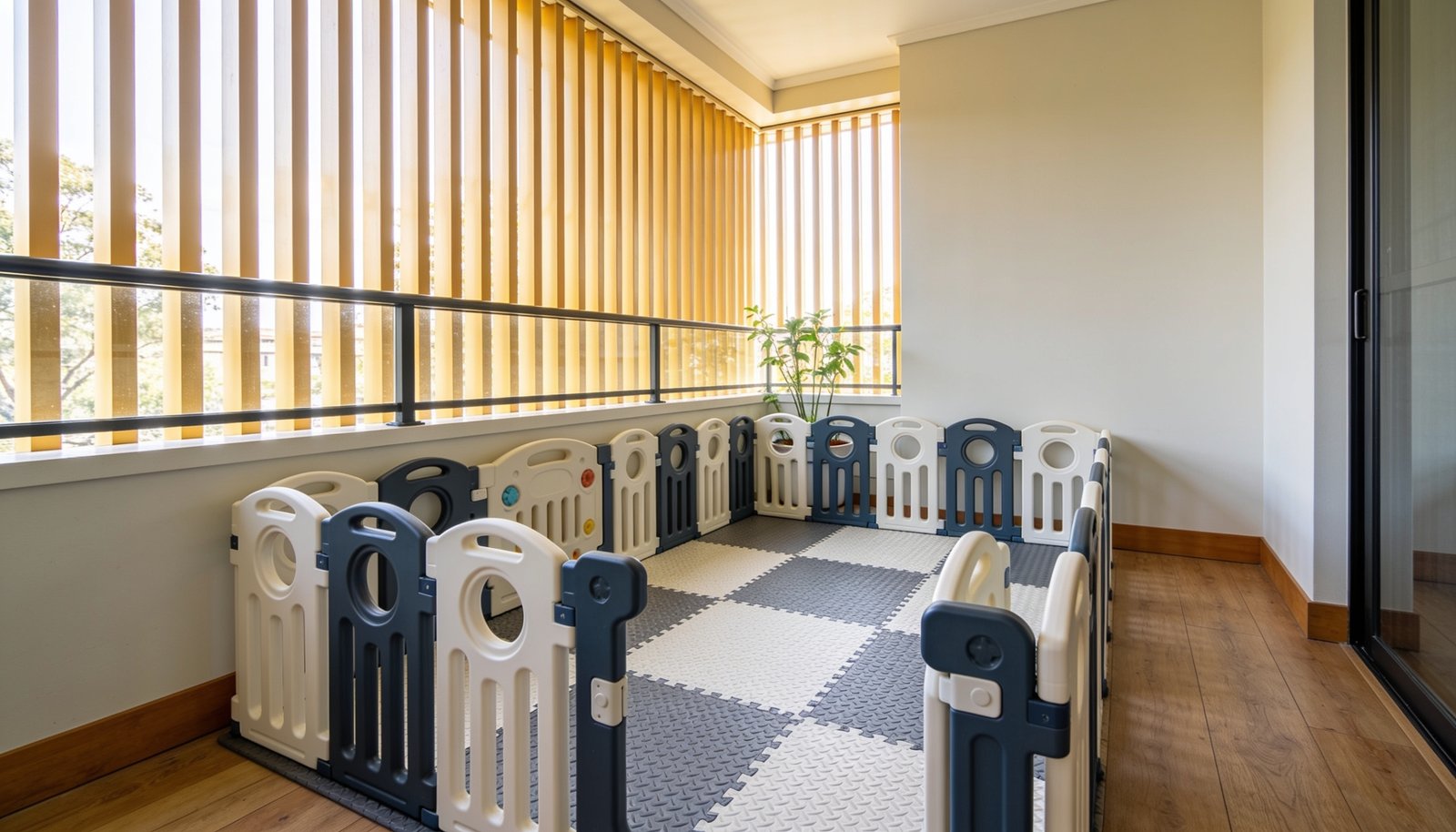
Balconies can offer a safe play area for children if set up carefully. It is important to think about safety, comfort and practicality when creating a play space. A well-planned balcony can become a favourite spot for family fun.
Choose a Safe Spot
Select a part of the balcony that is away from railings and edges. Make sure the area has a stable floor surface free of cracks or loose tiles. Place a non-slip mat to reduce the risk of falls.
Check that the balcony is well-ventilated and receives ample natural light. Avoid placing toys directly under the sun where they could overheat. Keep the area clear of any loose objects that could become hazards.
Use soft, cushioned play mats to give extra protection. Lay them over any uneven patches to create a smooth surface. Ensure the mats are secured so they do not shift while children play.
Consider the direction of prevailing wind and choose a sheltered spot if possible. This will keep play items dry and reduce wind-related accidents. A wind-shielded area also helps maintain a comfortable temperature.
Secure the Railings
Install a child-proof railing that extends to the top of the balcony. Use a smooth, rounded design to prevent fingers from getting caught. Check that the railing is firmly attached to the wall and floor.
Avoid any gaps larger than a small coin between the railing and the floor. These gaps could trap small objects or create a tripping hazard. Fill them with a flexible sealant that can be removed if needed.
Regularly inspect the railing for any loose fittings or cracks. Replace any damaged parts immediately to maintain safety. Keep the railing free of paint splashes or debris that might cause slips.
If the balcony has a low railing, consider adding a higher barrier for extra protection. This can be a simple wooden or metal frame that sits above the existing rail. Ensure the new barrier is secured to the same points as the original.
Choose Child-Friendly Furniture
Select low-profile furniture that does not have sharp edges. Opt for pieces that can be easily moved or stored when not in use. Use furniture with rounded corners to reduce injury risk.
Consider a small table and chair set that fits comfortably on the balcony floor. Make sure the table legs are stable and not prone to wobble. Avoid any furniture that could tip over if a child pushes too hard.
Use fabric cushions that are washable and easy to clean. Choose colours that are bright but not overstimulating. Keep cushions away from the railing to avoid accidental pulling.
If you need a larger seating area, use a lightweight folding chair that can be stored away. This allows you to free up space for play when needed. Ensure the chair legs are firmly attached to avoid accidents.
Add Soft Play Equipment
Select soft toys that are durable and easy to wash. Avoid any toys with small parts that could be swallowed. Choose toys that can be used both indoors and outdoors.
Include a small ball pit with a shallow base and soft balls. Make sure the pit has a non-slip surface and is covered when not in use. Check that the balls are not too small to avoid choking hazards.
Add a simple obstacle course using soft cones or foam blocks. Arrange them in a line or a small maze for children to navigate. Ensure the obstacles are stable and cannot fall over easily.
Use a small, portable sandbox with a smooth cover. Keep the sand clean and free of sharp objects. Cover the sandbox when children are not playing to keep it tidy.
Maintain Cleanliness and Hygiene
Wash all play mats and cushions regularly to keep dust and allergens at bay. Use a mild soap and warm water for cleaning. Dry them thoroughly before placing them back on the balcony.
Sweep the balcony floor often to remove dirt and debris. Use a soft broom or a vacuum with a brush attachment. Check the floor for any loose tiles or cracks after each sweep.
Keep a small bin for rubbish close to the play area. Empty it daily to prevent accumulation of litter. Ensure the bin has a lid to keep pests away.
Replace any worn or damaged items promptly. A worn mat or a cracked toy can become a safety risk. Keep the play space in good condition at all times.
Plan for Weather Protection
Use a lightweight umbrella or shade sail to provide shade during hot days. Position it so that it does not block the view or airflow. Check that the umbrella is securely fastened to the balcony frame.
Add a small, weather-proof cover for the play area. This can be a canvas or a plastic sheet that is easy to fold away. Ensure the cover does not create a slippery surface when wet.
Store any outdoor toys in a dry, covered area when not in use. This prevents them from becoming mouldy or damaged by rain. Keep the storage area well ventilated to avoid dampness.
During windy days, secure any loose items to prevent them from flying away. Use clips or ties to attach toys to a stable point. Check the balcony for any exposed nails or screws that could catch wind.
Create a Routine for Safety Checks
Set a regular schedule to inspect the balcony for any new hazards. Check railings, furniture, and play equipment for wear and tear. Replace or repair any damaged parts immediately.
Involve children in the safety routine by teaching them to look for loose objects. Encourage them to report any new risks they notice. This helps them develop a sense of responsibility.
Keep a simple checklist of tasks such as checking railings, sweeping, and washing mats. Mark off each task as it is completed to stay organised. Use a small whiteboard or a paper list that can be hung on the balcony.
If any task requires specialised tools or skills, consider hiring a professional. This ensures that the work is done safely and to a high standard. Avoid attempting complex repairs without the right knowledge.
A well-planned balcony can become a safe and enjoyable play area for children. With careful selection of furniture, regular maintenance and simple safety checks, the space will remain safe for years to come.
Join The Discussion