
 by
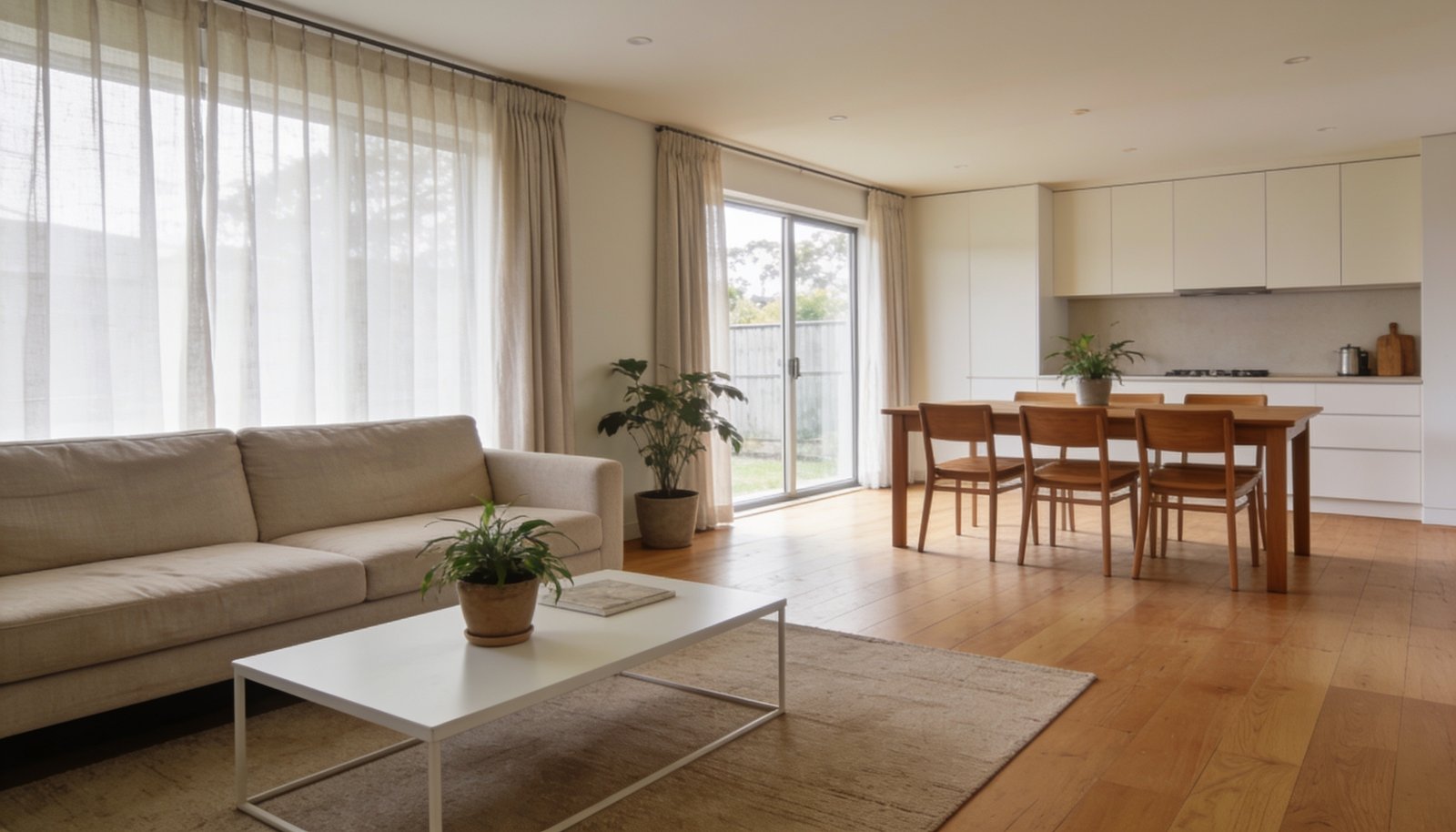
Choosing the right space for a homework nook can make study time feel like a break rather than a chore. A well-planned nook gives kids a quiet corner to focus without distractions. It also helps keep the rest of the house tidy by containing books and supplies in one place.
Selecting the Spot
The best rooms for a homework nook are those that are quiet and away from high-traffic areas. A small bedroom, a cosy corner of the living area or a spare room can work well. Make sure the chosen spot has good natural light and a simple layout.
Check that the floor is flat and free of sharp edges. Place a soft rug or mat to protect the floor and add comfort. Keep the area free of clutter by using storage bins or shelves.
Consider the proximity to a power point for a lamp or laptop. If the spot is near a window, use blinds to reduce glare on screens. Avoid placing the nook directly under a ceiling fan that could create drafts.
A small, dedicated space helps children develop a routine and associate the area with learning.
- Use a low table or desk.
- Add a comfortable chair.
- Keep a small lamp.
- Store supplies in bins.
Choosing Furniture
A low desk or a simple table works best for younger children. Ensure the height matches the child’s height to prevent strain. Use a chair with a backrest that supports the lower spine.
For older children, a larger desk can accommodate a laptop and a stack of books. Add a shelf above the desk for quick access to frequently used items. Keep the chair easy to move so the child can switch positions.
Use a desk with rounded edges to minimise injury risks. Add a small cushion if the chair feels too hard. Consider a desk with a built-in drawer for stationery.
Furniture should be sturdy and stable to avoid wobble during study.
Lighting and Ventilation
Natural light is ideal for reducing eye strain. Place the desk near a window but not in direct glare. Use a simple lamp to supplement light during dimmer times.
Good airflow keeps the area comfortable and prevents overheating. If the room has a window, open it slightly during the day. Avoid placing the nook near a heater that could cause drafts.
Use a lamp with a dimmer switch to adjust brightness as needed. Choose a lamp with a long cord to avoid clutter. Place the lamp at eye level to reduce neck strain.
Proper lighting and ventilation help maintain focus and comfort.
Organising Supplies
Keep the most used items within arm’s reach. Use clear bins or boxes to store pens, pencils and other stationery. Label each bin so the child can find items quickly.
Store heavier books in a lower shelf to keep the desk clear. Use a small basket for loose papers and assignments. Place a sticky note board for deadlines and reminders.
Encourage the child to tidy up after each session. Teach them to return items to their designated places. Make the process quick and easy to build good habits.
A tidy space promotes a calm mindset and saves time.
Creating a Calm Atmosphere
Soft colours on the walls can create a soothing environment. Use a simple wall hanging or a small plant to add visual interest. Avoid loud patterns or busy designs that may distract.
Add a small rug or mat to soften the floor and reduce noise. Place a quiet music player on a low volume if it helps concentration. Ensure the room is free from strong scents that could be overwhelming.
Use a small whiteboard for quick notes or doodles. Keep the whiteboard clean and wipe it after each use. Encourage the child to write down questions or ideas.
A calm setting supports focus and reduces stress.
Maintaining the Nook
Set a regular cleaning routine to keep the area dust-free. Wipe down the desk and shelves with a damp cloth weekly. Check the lamp and power cords for any wear or damage.
Rotate the books and supplies to keep the space fresh and engaging. Replace worn items promptly to avoid frustration. Store seasonal items in a separate bin to keep the nook uncluttered.
Encourage the child to take responsibility for the space. Provide simple tools like a small broom or dustpan for quick clean-ups.
A well-maintained nook remains inviting and functional over time.
A thoughtfully designed homework nook can transform study time into a positive routine. With simple steps and regular care, it becomes a lasting feature of any home.
Join The Discussion