
 by
by 
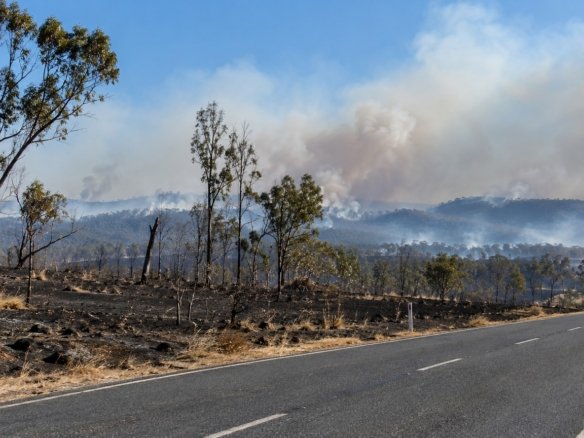
The NSW Rural Fire Service has brought forward the Bush Fire Danger Period across dozens of local government areas, and a national seasonal outlook flags above-normal fire risk stretching into South East Queensland this spring.
What Happened
An additional 27 NSW local government areas, including Gunnedah, Moree Plains, Tamworth, Narrabri and Upper Hunter, began their Bush Fire Danger Period on 1 September 2026, ahead of the statewide statutory start of 1 October. The Wingecarribee and Wollondilly Shires are separately declared to commence their Bush Fire Danger Period on 14 September 2026. NSW RFS Superintendent Daniel Osborne said the region is experiencing warmer and drier than normal conditions, and that beginning the Bush Fire Danger Period early “ensures the community understands the increased risk and takes steps to prepare.”
Why It Matters
This follows AFAC’s Seasonal Bushfire Outlook for Spring 2026, released 19 August 2026, which identifies above-normal fire potential across northern and south-eastern NSW, and specifically flags south-east Queensland, north-east Tasmania, and parts of Western Australia, South Australia, Victoria and the Northern Territory, linked to a strong El Niño pattern and dry conditions.
Who Is Affected
Households and property owners in the NSW local government areas with an early-declared Bush Fire Danger Period now need a fire permit for most outdoor burning. More broadly, households across NSW and South East Queensland fall within the regions AFAC has flagged for above-normal spring fire potential and should treat this as a signal to begin preparation earlier than usual, rather than waiting for an official season opening in their own state.
What to Do / What to Watch
Check whether your local government area has an early-declared Bush Fire Danger Period via the NSW RFS website before undertaking any outdoor burning. If you are in South East Queensland or another region flagged in the AFAC outlook, this is a reasonable prompt to start defensible-space work now: clearing gutters, reducing dry vegetation near structures, and reviewing your household’s bushfire survival plan, ahead of your own state’s official season declaration.
Official Source / Verification
This article is based on the NSW Rural Fire Service’s Bush Fire Danger Period and Fire Permits page and the AFAC Seasonal Bushfire Outlook Spring 2026, current as at 9 September 2026. Declarations continue to be added through spring, so check the NSW RFS site directly for your specific area.
For Queensland-specific research on how bushfire overlays affect a property, see our guide on bushfire risk and property buying in Queensland.
This article is general information only. Always follow official guidance from your state or territory fire authority, and never rely on a news summary for real-time fire safety decisions.
Join The Discussion