
 by
by 
Vacant possession is a key term that appears in every property contract when buying a house or unit. It tells you when the new owner can take control of the property and start living there. Understanding it helps you avoid surprises after settlement.
What is Vacant Possession?
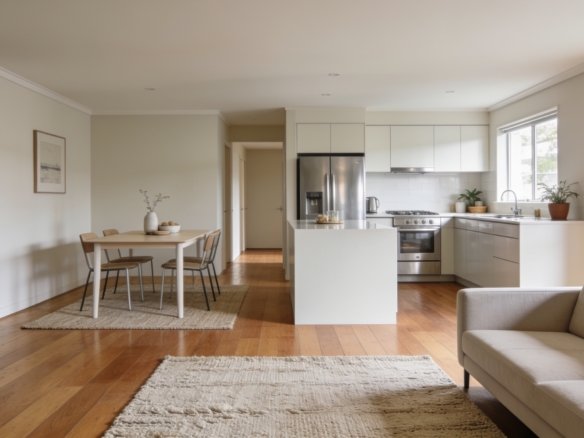
Vacant possession means the property is empty when you become the owner. The previous owner must have removed all personal items and any furniture. The house or unit should be clean and ready for you to move in.
You will not inherit any clutter or stored belongings. The landlord or seller should have cleared out their effects before the settlement date. If anything remains, you may need to arrange removal or storage.
This clause is standard in all property deals. It protects buyers from unexpected possessions on the property. It also gives sellers a clear deadline to finish packing.
If the property is not vacant, the buyer can negotiate a new settlement date.
- The property must be empty.
- All furniture removed.
- No personal belongings left.
When Does Settlement Happen?
Settlement is the moment the ownership changes hands. It usually takes place on a day agreed by both parties. At that point, the property should be vacant.
You will receive the keys and the deed at settlement. The seller must have cleared the property before that day. If they are late, you may have to wait or seek compensation.
The settlement date is set in the contract. It is a fixed point in time, not a range. Both sides must comply with the agreed schedule.
Any delay can affect your move-in plans.
What Happens if the Property is Not Vacant?
If you find furniture or personal items after settlement, you have a right to act. You can ask the seller to remove the items before you move in. If they refuse, you may need to involve a mediator or seek legal advice.
You should document the situation with photos or a written report. This record helps you prove the property was not vacant. It also protects you if you need to claim compensation.
In some cases, the seller may offer to pay for removal services. If you accept, arrange the removal with a professional or a trusted helper. Keep receipts and records of the work done.
If the seller does not cooperate, you may need to contact a lawyer.
- Document the issue.
- Ask for removal.
- Consider professional help.
- Seek legal advice if needed.
What About Fixtures and Fittings?
Fixtures such as lights, blinds, and built-in cupboards stay with the property. They are considered part of the house, not the seller’s personal items. You should check they are in working order before settlement.
If a fixture is broken, you can negotiate a repair or replacement before you move in. It is best to discuss this with the seller early in the process. You should also confirm the condition of the tap and the toilet.
The seller is responsible for any major repairs before settlement. This includes fixing leaks or faulty wiring. You can arrange for an electrician or plumber if needed.
If repairs are not completed, you may delay settlement or ask for a credit.
How to Prepare for Move-In
Once you have vacant possession, you can plan your move-in schedule. Pack your belongings in separate boxes for each room. Label each box with the room name to make unpacking easier.
Before you move, test the tap and the toilet to ensure they work. Check that the switchboard is accessible and that the main switch is off before you touch any wires. If you are unsure about any electrical work, call a qualified electrician.
Arrange for utilities to be connected before you move in. This includes power, water, and internet services. Make sure the connections are active before you start unpacking.
Set up your bedroom and kitchen first to create a functional base.
What If the Property Has Hidden Issues?
Sometimes, hidden problems such as damp or mould may appear after settlement. If you notice damp patches or a musty smell, you should investigate further. Take photos and note the location of any concerns.
You can request a professional inspection to assess the extent of the issue. A qualified plumber or builder can check for leaks or structural problems. If a problem is found, negotiate a remedy with the seller.
If the seller refuses to fix the problem, you may need to seek legal advice. Document all communications and keep copies of any reports. This record will help you if you need to claim compensation.
Avoid DIY fixes that could worsen the problem if you are not experienced.
Vacant possession gives you a clean start when you move into a new home. By understanding the terms and acting promptly, you can avoid unexpected delays or costs.


Join The Discussion