
 by
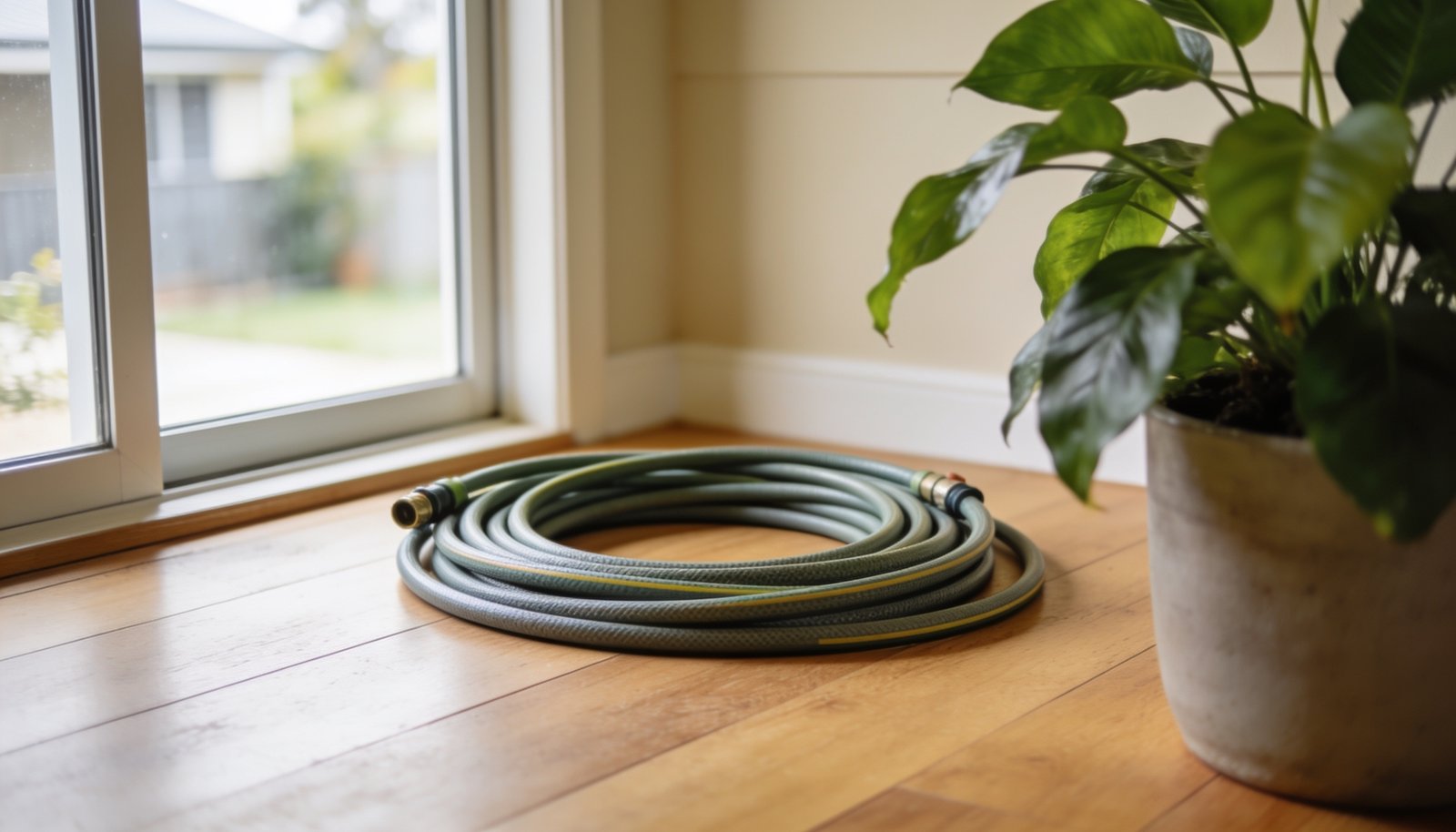
A garden hose is a staple in many backyards, offering a simple way to keep plants, lawns and outdoor areas tidy. Like any tool, it wears out over time, and recognising when it needs replacement can save effort and improve water flow. Regular attention to a hose’s condition helps maintain its effectiveness and extends its useful life.
Signs Your Hose Needs Replacing
If you notice persistent leaks at the joints or along the length, the hose is likely compromised. Cracks or holes that appear after a few uses are a clear indication that the material is breaking down. When the hose feels unusually stiff or has lost its flexibility, it no longer delivers water smoothly.
In many cases, a hose that has become brittle after exposure to the sun will fail sooner than expected. Even a small crack can lead to a larger failure if the hose is used frequently. Checking for these signs before each watering session can prevent unexpected bursts.
A hose that no longer holds a steady pressure will feel weak when you turn on the tap. If water dribbles or sputters instead of flowing freely, the internal lining may have deteriorated. Replacing such a hose restores reliable performance and reduces wasted water.
A hose that has lost its colour or has a dull appearance often indicates ageing of the outer layer. The outer skin protects against environmental damage; once it fades, the hose is more vulnerable. Replacing a faded hose can improve the overall look of your garden tools.
- Look for leaks at joints.
- Check for cracks or holes.
- Test water pressure.
- Observe colour and texture.
How Weather Affects Longevity
Sunlight can break down the rubber over time, causing it to become brittle and crack. Rain and humidity also play a role, as moisture can seep into small imperfections and expand them. The combination of these elements accelerates wear, especially in areas that receive full sun for long periods.
Hoses stored outdoors are more exposed to these effects than those kept in a shed. If a hose is left coiled in a damp place, mould can develop on the surface, further weakening the material. Keeping a hose in a dry, shaded spot helps maintain its condition for longer.
Even when the hose is used sparingly, the cumulative impact of weather can lead to failure. A single burst can cause significant water waste and damage to surrounding plants. Monitoring weather patterns and adjusting storage habits can mitigate these risks.
When a hose shows early signs of weathering, it is prudent to replace it before it fails during a busy watering session.
- Store in dry, shaded areas.
- Avoid prolonged sun exposure.
- Check after heavy rain.
- Replace when cracks appear.
The Role of Pressure and Usage
High water pressure from the tap can strain a hose, especially if it is old or thin. Repeated pressure cycles can cause the hose to weaken at stress points, such as where it connects to the tap or to a nozzle.
Using a hose for long durations, such as during a garden clean-up, increases the chance of wear. If the hose is pulled or twisted during use, the material can stretch and develop weak spots.
Ensuring that the hose is not kinked or twisted while in use preserves its integrity. A straight, gently coiled hose experiences less stress than one that is bent sharply.
When a hose shows signs of fatigue after regular use, it is wise to consider a replacement to avoid sudden failure.
- Avoid excessive pressure.
- Keep straight while in use.
- Replace when fatigue appears.
Maintenance Tips to Extend Life
After each watering session, drain the hose completely and allow it to dry before coiling. Residual water can encourage mould and rust on fittings, which can compromise the hose.
Gently unwind the hose before storage to prevent kinks that can damage the inner lining.
Inspect the hose for any new cracks or leaks before storing it for the season.
If a hose is only slightly worn, cleaning it with a mild detergent can remove debris that might cause further damage.
When to Seek Professional Help
If a hose has a large crack that extends through the entire length, it is best to replace it rather than patch it.
Attempting to repair a damaged hose with tape or glue can create uneven pressure points and lead to further failure.
When the hose is attached to a complex irrigation system, a professional can ensure that replacement parts fit correctly.
If you are unsure about the condition of your hose, a quick inspection by a local garden supplier can provide guidance.
- Avoid patching large cracks.
- Seek professional for complex systems.
- Get a quick inspection if unsure.
Choosing a New Hose
Look for a hose that is flexible yet durable, with a smooth inner surface that resists blockages.
A hose that retains its shape after coiling indicates good construction quality.
Consider hoses that are designed to withstand outdoor conditions, as they are less likely to degrade quickly.
Store new hoses in a dry place until they are needed to maximise their lifespan.
Final Thoughts
Replacing a garden hose before it fails saves time and prevents water waste.
Regular checks for leaks, cracks and stiff spots allow you to act early.
With proper maintenance and timely replacement, a hose can serve a backyard reliably for many seasons.
Keeping these practical steps in mind ensures that watering remains a simple, effective task.
A well-maintained hose is a small but essential part of a tidy backyard. By following these straightforward guidelines, you can keep your watering routine smooth and efficient.

Join The Discussion