
 by
by 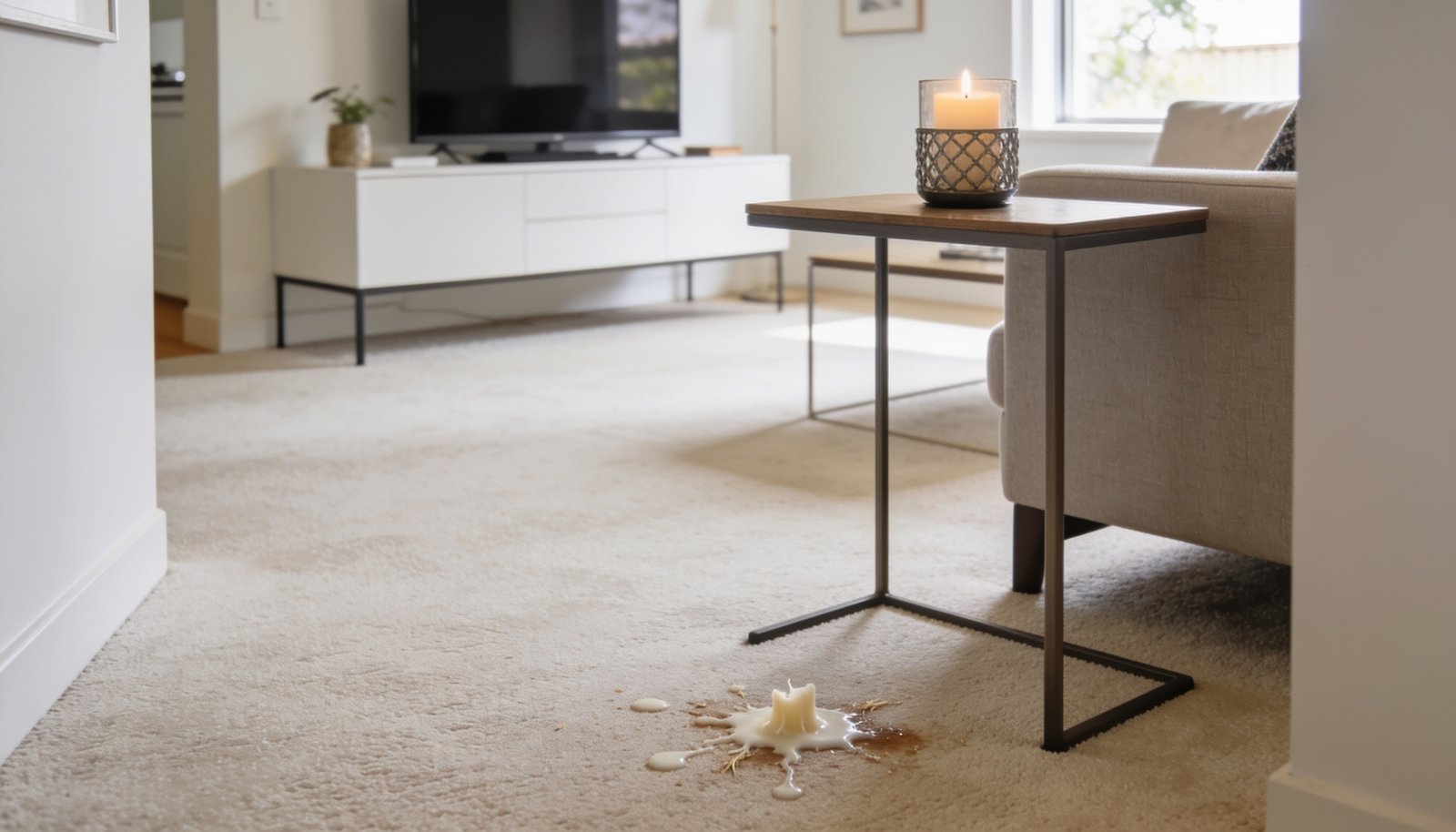
A Methodical Approach to Wax Removal
Spilling candle wax on a carpet can be frustrating, but aggressive scrubbing often worsens the problem by driving wax deeper into the pile or damaging the delicate carpet fibers. Preserving the integrity of your carpet requires a patient, multi-phase cleaning procedure. Rather than treating the spill with immediate force, the safest approach involves systematic phase-by-phase management: hardening the wax, absorbing the melted residue, and treating any leftover dye or oil marks.
Before beginning any stain treatment, it helps to understand the fiber composition of your floor covering. Synthetic fibers like nylon or polypropylene react differently to thermal treatments than natural fibers such as wool. Tailoring your method to your specific carpet type prevents heat damage and fiber matting.
Phase 1: Freeze and Scrape
The initial stage focuses on solidifying the wax so that bulk deposits can be removed mechanically without smearing. Liquid or soft wax spreads easily across carpet fibers if handled prematurely. Hardening the substance makes it brittle and far easier to separate from the pile.
To freeze the spill, place ice cubes inside a sealed plastic bag. Placing ice directly onto the carpet without a bag introduces excess water, which can dilute residual dyes and spread them across a larger area. Lay the sealed plastic bag over the hardened or semi-soft wax and allow it to rest until the wax feels completely firm to the touch.
Once the wax has hardened, use a blunt tool, such as a butter knife or a spoon, to gently scrape off the excess wax. Blunt tools are specifically recommended to avoid cutting, pulling, or fraying the carpet fibers. Gently lift the shattered pieces of wax from the carpet surface as you work, vacuuming or picking up the loose fragments to ensure they do not melt back into the pile later.
Phase 2: Heat and Absorb
After scraping away the bulk material, thin wax deposits usually remain bound to individual fibers. The second phase uses controlled heat to melt these residual traces and draw them upward out of the floor covering.
Place a brown paper bag or a white paper towel directly over the affected area. When heat is applied above the paper, the underlying wax liquefies and absorbs straight into the porous paper material. As the paper absorbs the wax, shift it slightly to position a clean, dry section over the stain, continuing the process until no more wax transfers to the paper.
Caution is essential during this phase. Iron heat must never touch carpet fibers directly. Direct iron contact risks severe, permanent damage to the flooring. Synthetic carpet fibers, such as nylon or polypropylene, can melt when exposed to high heat. Wool carpets, on the other hand, require low heat and minimal moisture to avoid felting. Because the precise heat setting required for a low heat iron setting is not numerically defined, users must exercise caution and start with the lowest possible temperature setting on the appliance, testing cautiously.
Phase 3: Treating Residual Oil and Dye Stains
Even after all physical wax has been removed through freezing and heat absorption, colored candles often leave behind stubborn oil or dye stains. Removing these remaining discoloration marks requires appropriate solvents applied with care.
Residual dye or oil stains can be treated using isopropyl alcohol, dry-cleaning solvents, or a mild dishwashing detergent solution. Apply a small amount of the chosen solution to a clean cloth and gently blot the stained area, taking care not to rub vigorously or saturate the carpet backing.
Safety and fabric care must always come first when applying chemical treatments. Always perform a spot test in an inconspicuous area before applying any solvent or cleaning solution to confirm that it does not cause color bleeding, bleaching, or fiber damage. Never mix chemical products together, as combining cleaning agents can produce hazardous reactions or ruin carpet materials.
Knowing When to Seek Professional Assistance
While home care methods are effective for many routine spills, DIY methods are not guaranteed to remove all wax or dye residues. Certain complex stains or delicate floorings demand specialist tools and expert techniques.
Persistent dye stains or high-value wool or oriental rugs should be handled by a qualified professional, such as a SCRIA or IICRC-certified technician. Professional carpet cleaners possess specialized equipment and targeted solvent formulations designed to resolve tough pigment stains while protecting valuable wool structures and delicate weaves.

Join The Discussion