
 by
by 
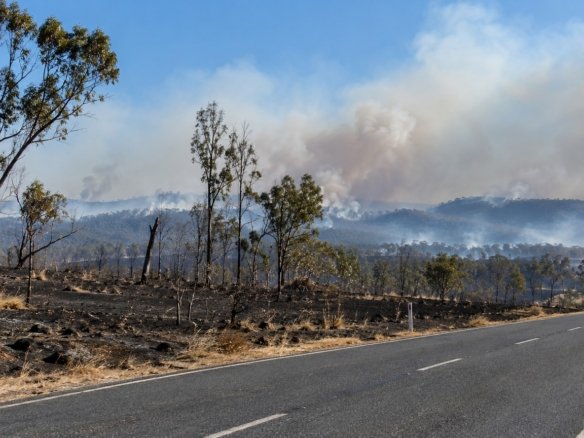
Queensland has entered its high-risk bushfire period after 180 fires broke out across the state in a single weekend, driven by the hottest September temperatures the region has recorded since 2019.
What Happened
The Queensland Rural Fire Service and the Bureau of Meteorology confirmed a surge of fire activity in early September, with 180 fires reported across Queensland over one weekend, concentrated in south-east Queensland, the Lockyer Valley, and inland areas near Rockhampton along the Bruce and Burnett Highway corridor. QRFS Acting Deputy Chief Officer Joel Gordon described conditions as “very challenging,” and both agencies expect the elevated fire danger to persist for the coming weeks until significant rain falls. As at this week, daily fire danger ratings are still fluctuating with the weather (Brisbane was rated Moderate on 14 September), but the underlying high-risk period declared by Queensland Fire Department remains in effect.
Why It Matters
This is a genuinely current, still-developing risk window rather than a single event. The Bureau of Meteorology points to a dry, warmer-than-average outlook continuing across the state, meaning the conditions behind this outbreak are not expected to ease quickly. Households in fire-prone areas should treat this as an active prompt to prepare now, rather than waiting for a total fire ban or emergency declaration to act.
Who Is Affected
Queensland households generally, and particularly those in south-east Queensland, the Lockyer Valley, and inland and drought-affected regions such as the area between Rockhampton and the Burnett district.
What to Do / What to Watch
Clear yard debris and gutters, take care with mowing and slashing on high fire-danger days, and put together or update a bushfire survival plan before conditions worsen. Check the Queensland Fire Department website regularly for current warnings and fire danger ratings in your area, and watch for any escalation to a total fire ban or state of fire emergency.
Official Source / Verification
This article is based on reporting of Queensland Rural Fire Service and Bureau of Meteorology statements current as at 8 September 2026, cross-checked against the Bureau of Meteorology’s Queensland fire danger ratings on 14 September 2026.
For Queensland-specific research on how bushfire risk affects a property, see our guide on bushfire risk and property buying in Queensland.
This article is general information only. Always follow official guidance from the Queensland Fire Department and Bureau of Meteorology, and never rely on a news summary for real-time fire safety decisions.
Join The Discussion